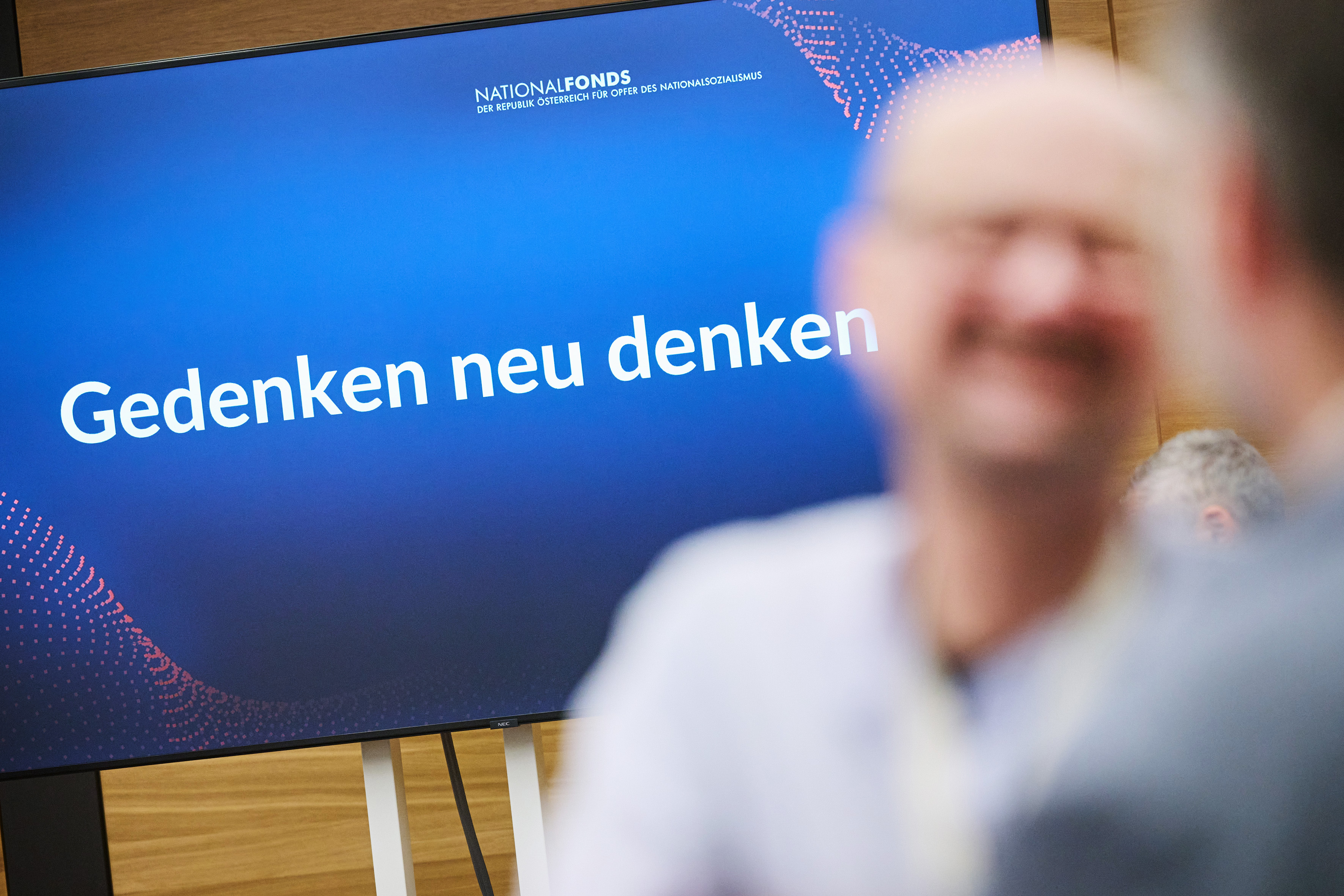
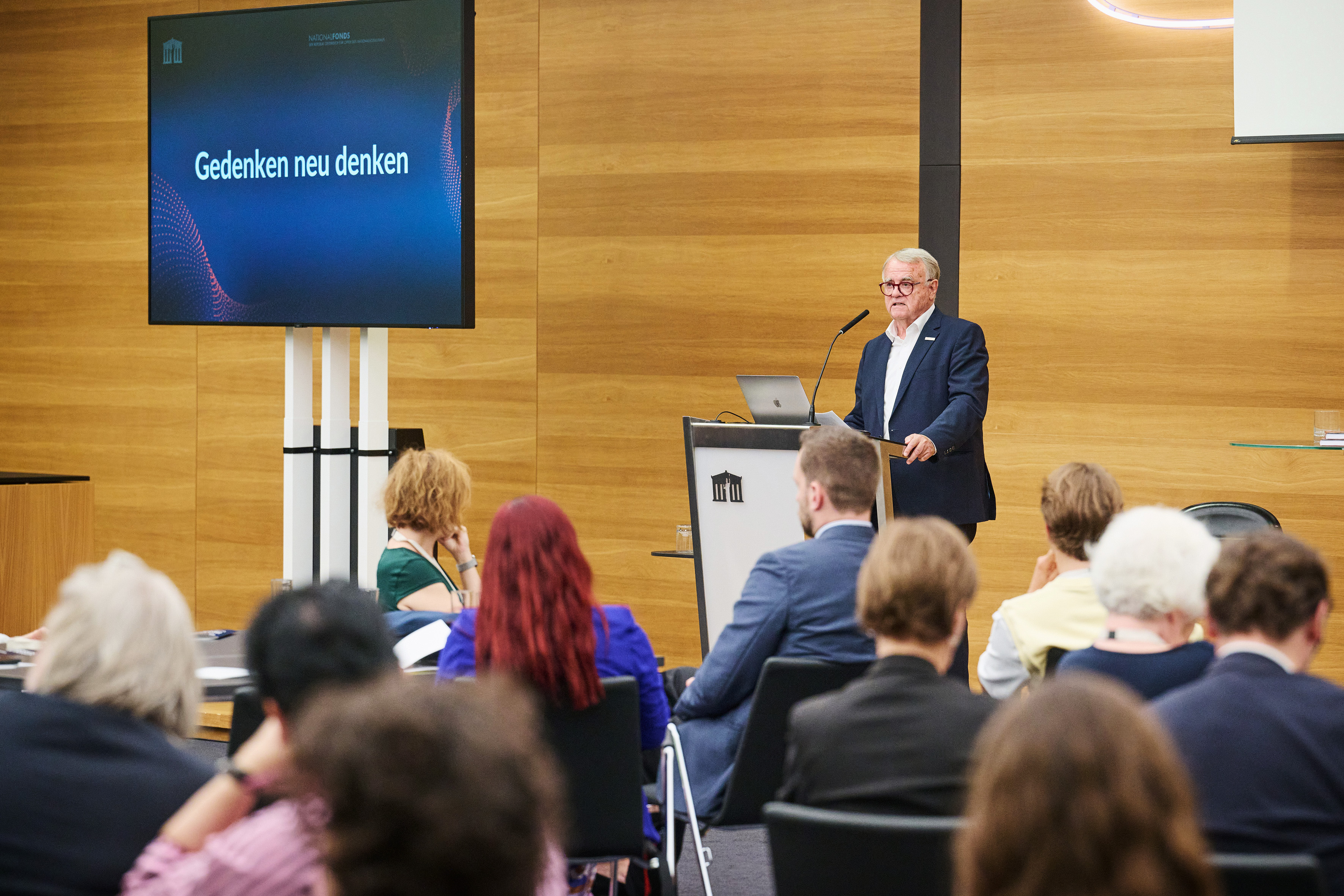
From historical responsibility to the digital present
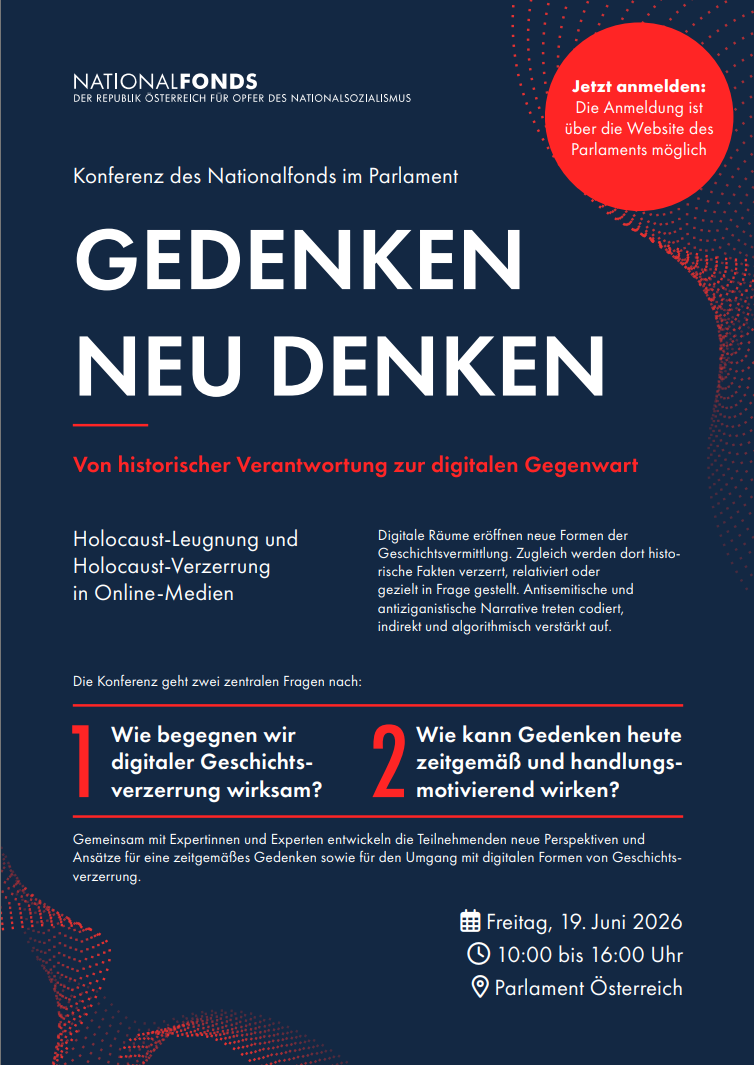
The conference ‘Rethinking Remembrance’ explores how Holocaust denial and distortion can be effectively countered in digital spaces.
Digital media open up new avenues for teaching history. At the same time, historical facts are distorted, relativised or deliberately called into question there. Antisemitic and anti-Gypsy narratives often appear in coded, indirect forms and are amplified by algorithms.
Against this backdrop, the conference invites participants to view remembrance work as an active mission for the present and the future.
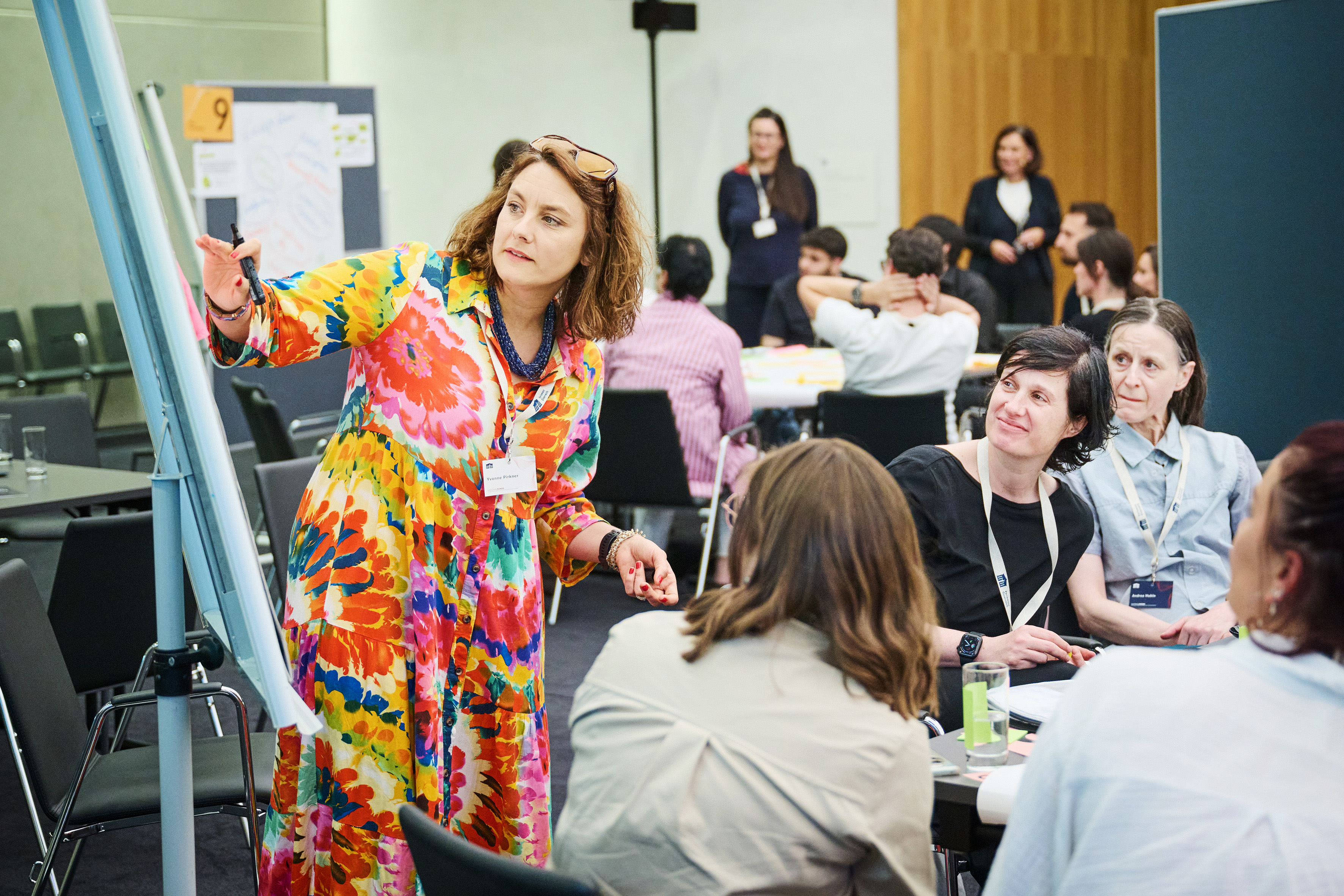
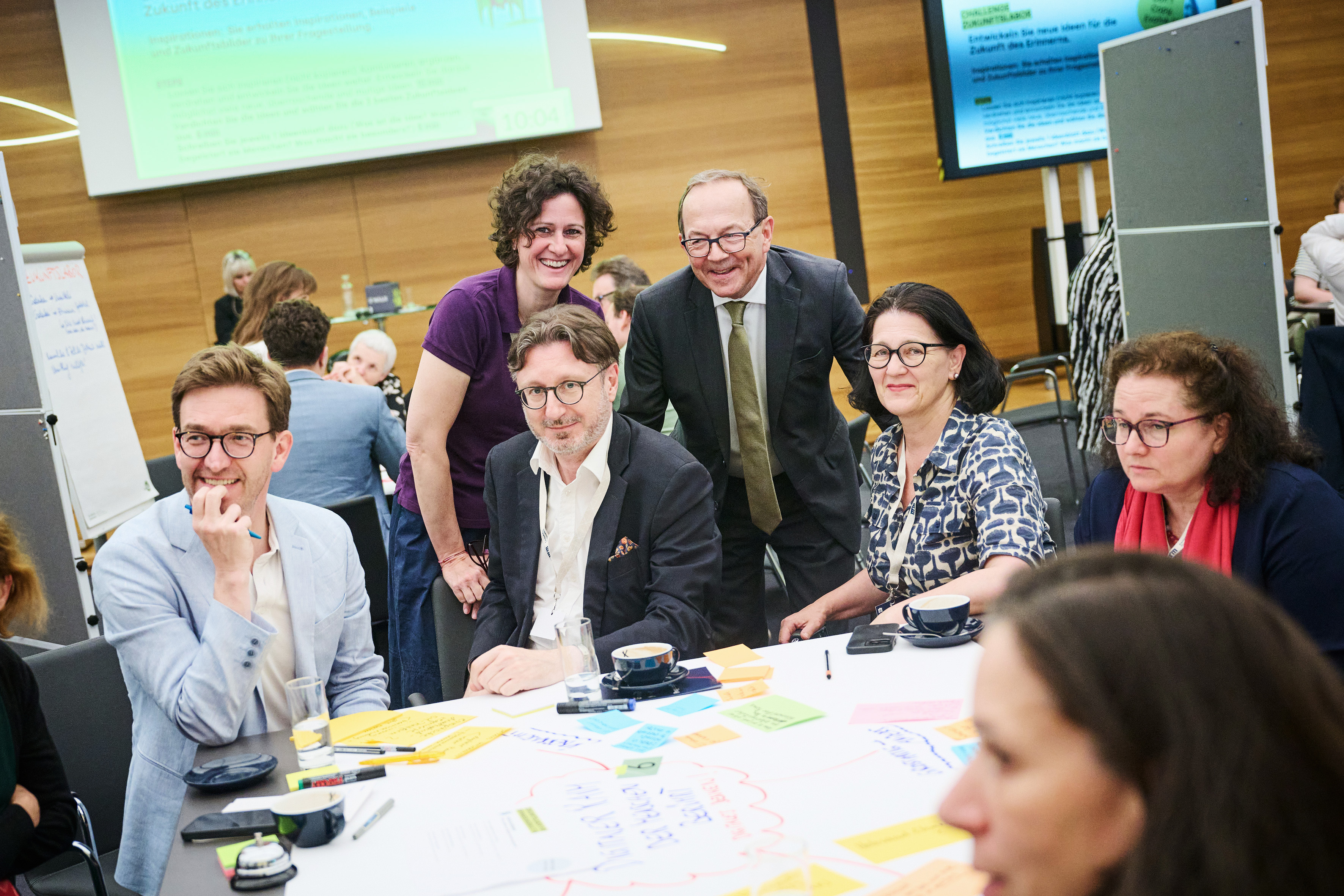
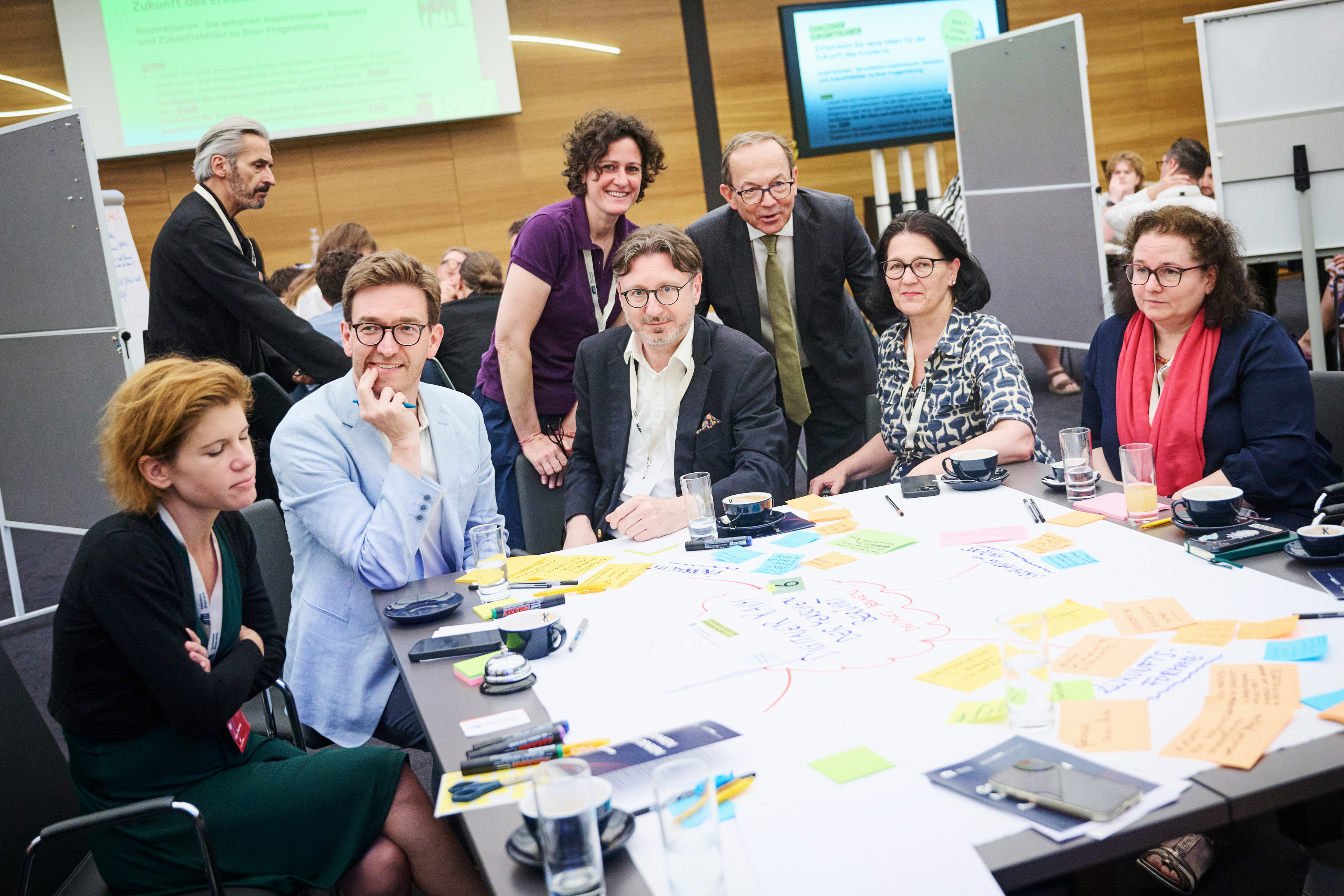
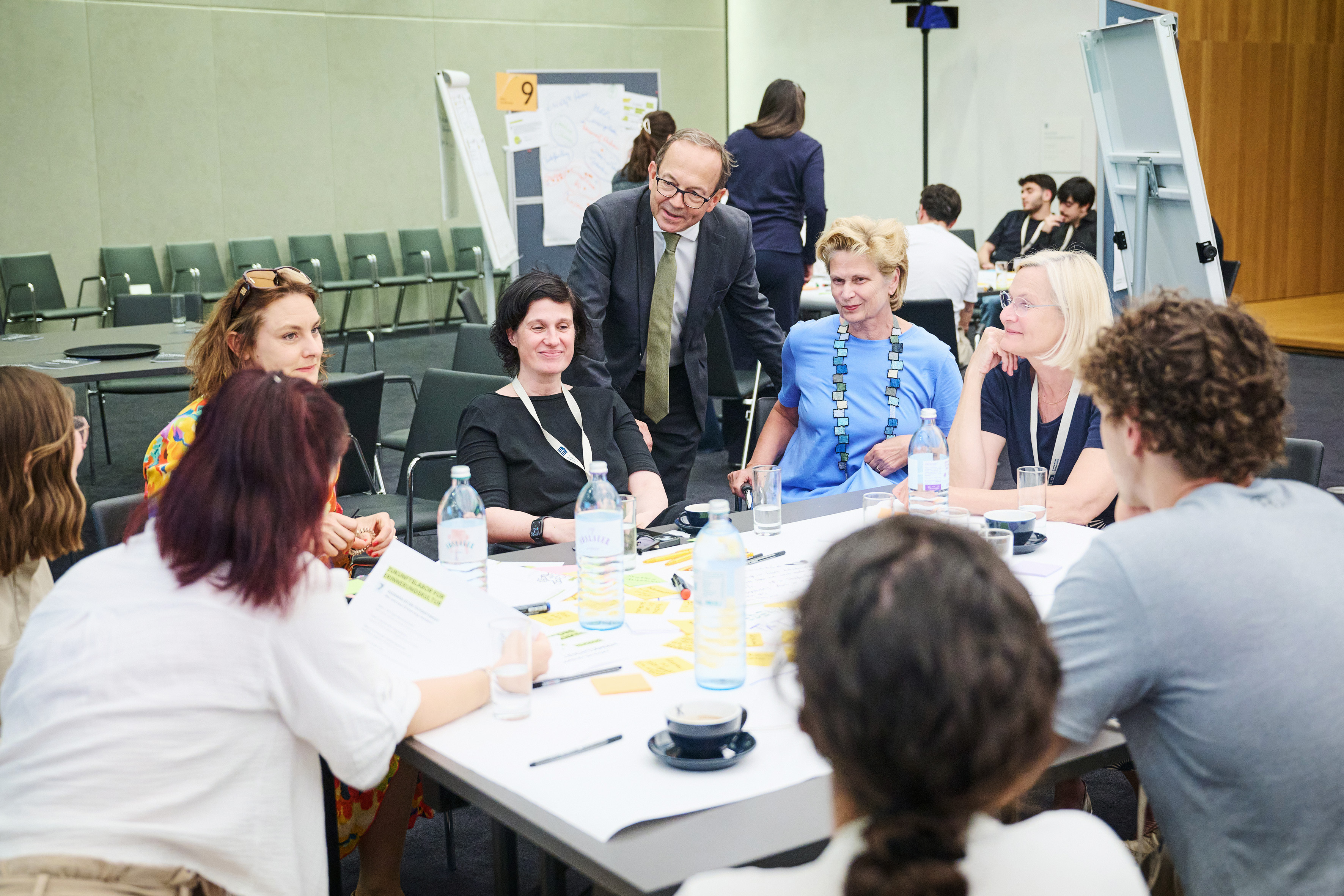
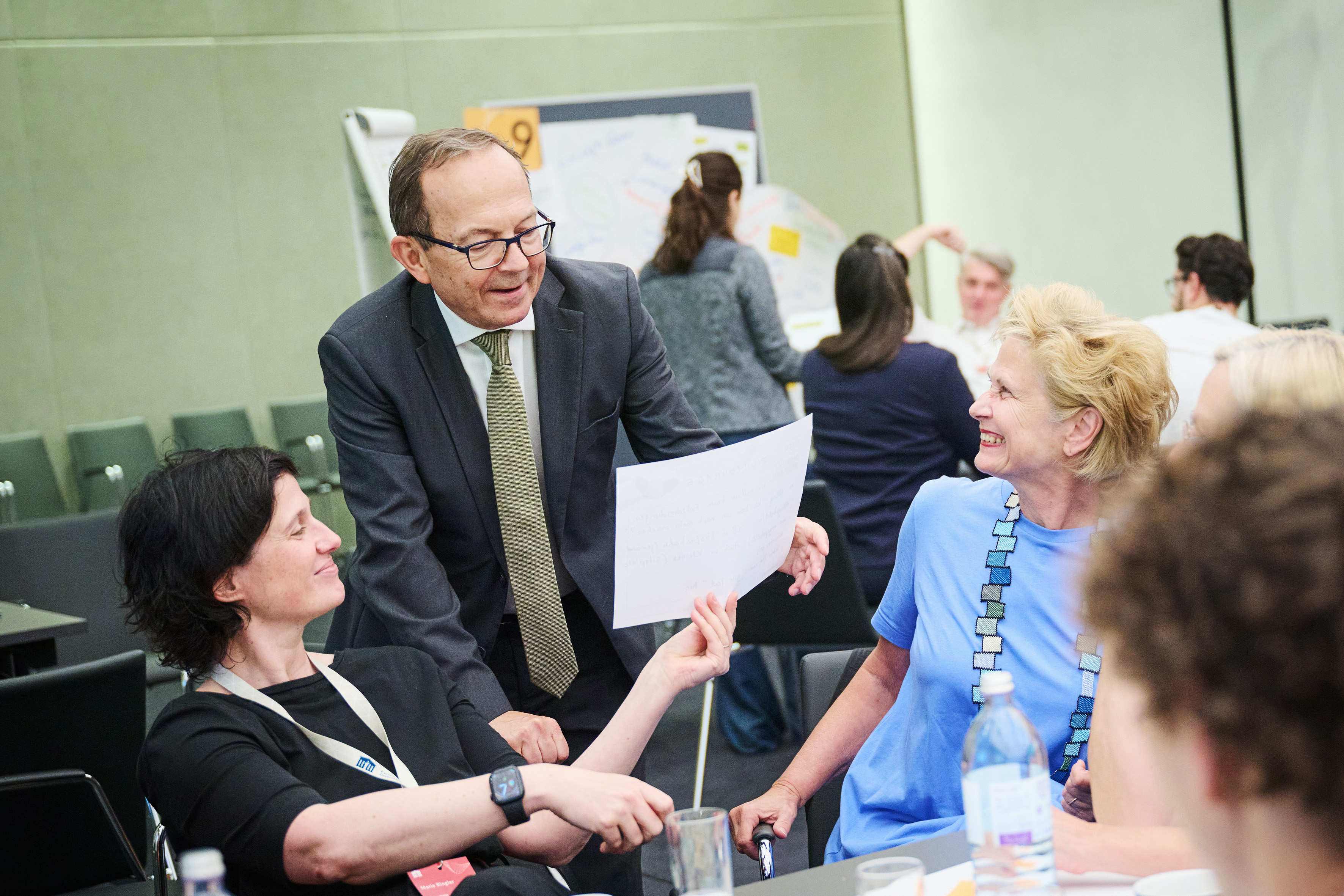
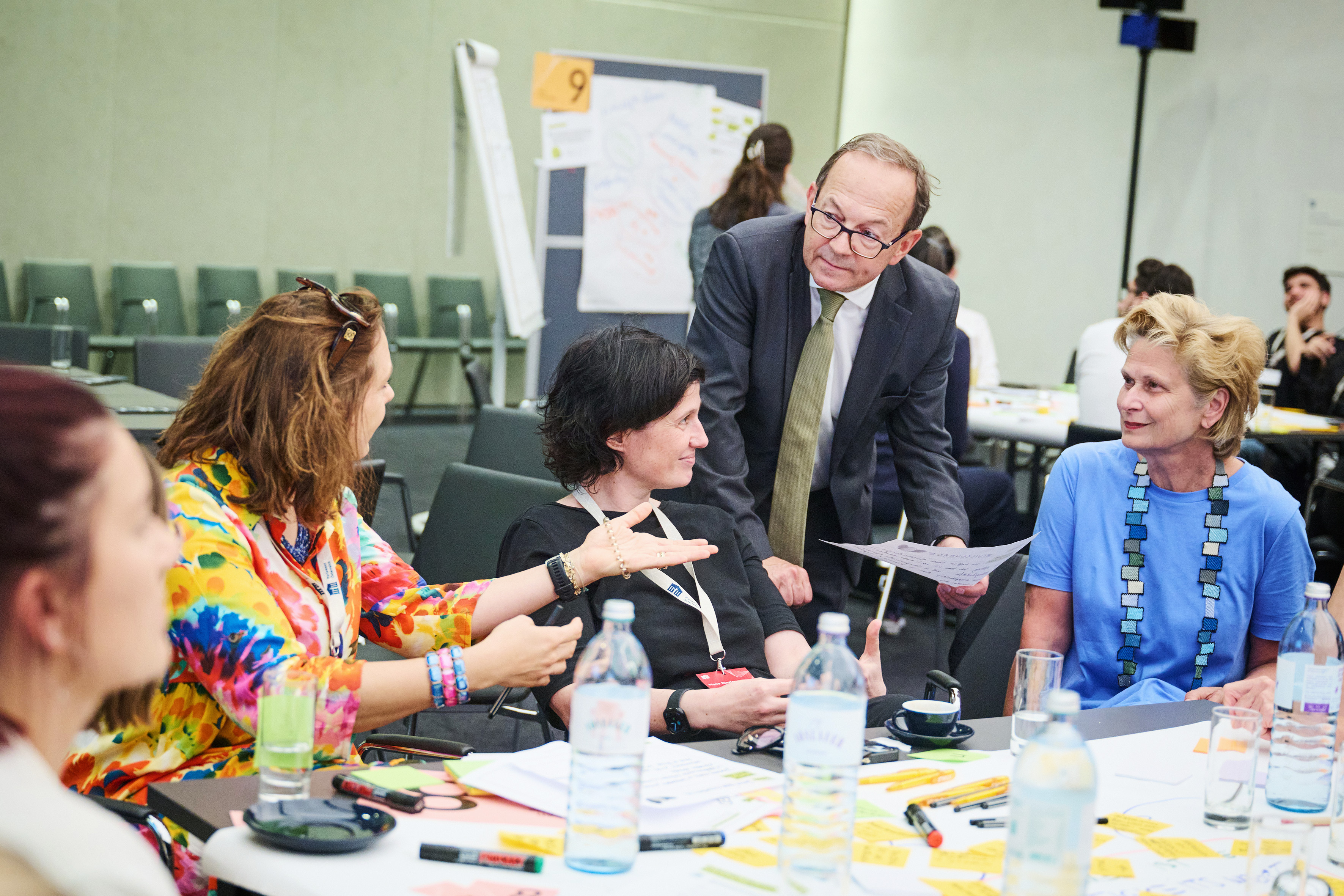
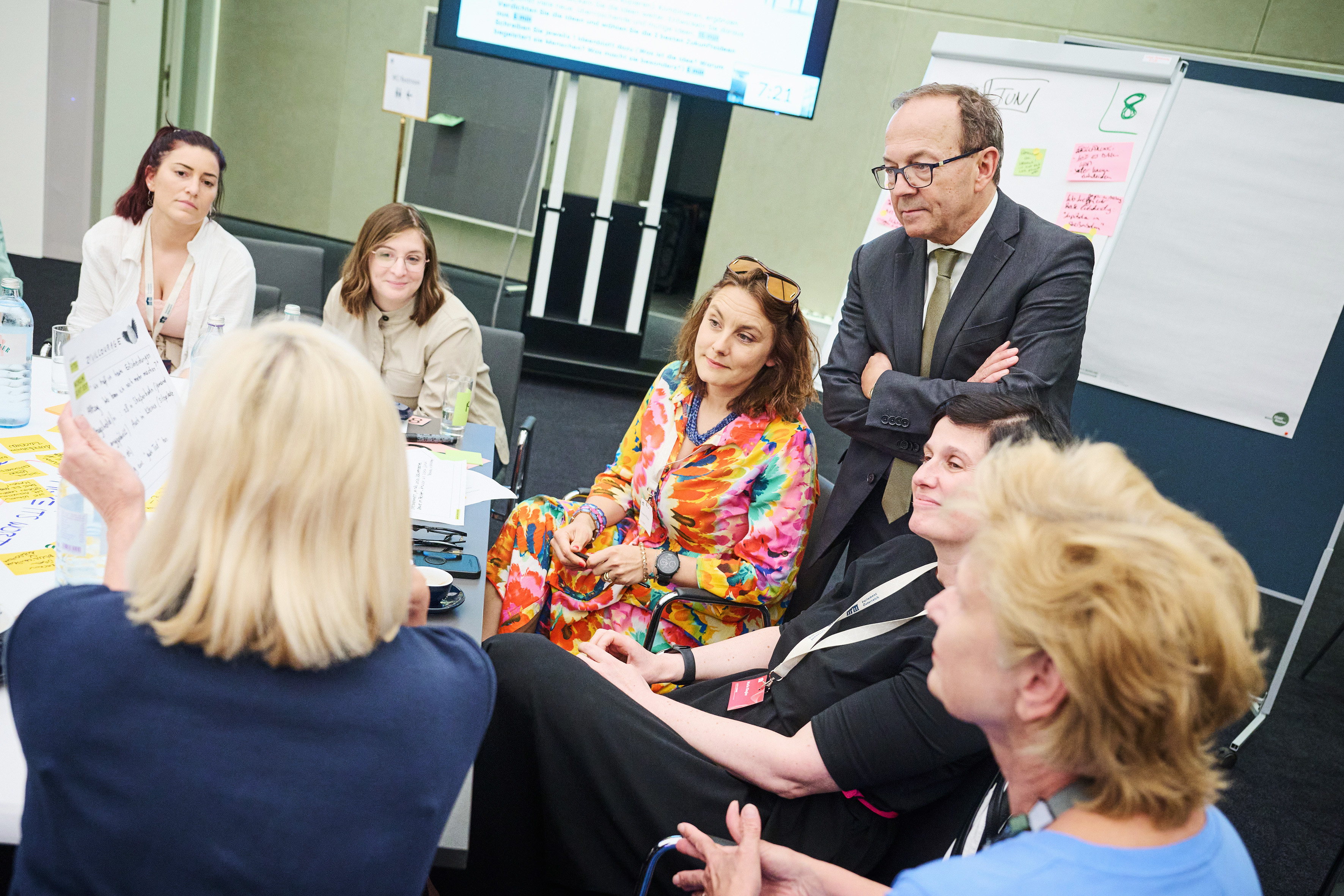
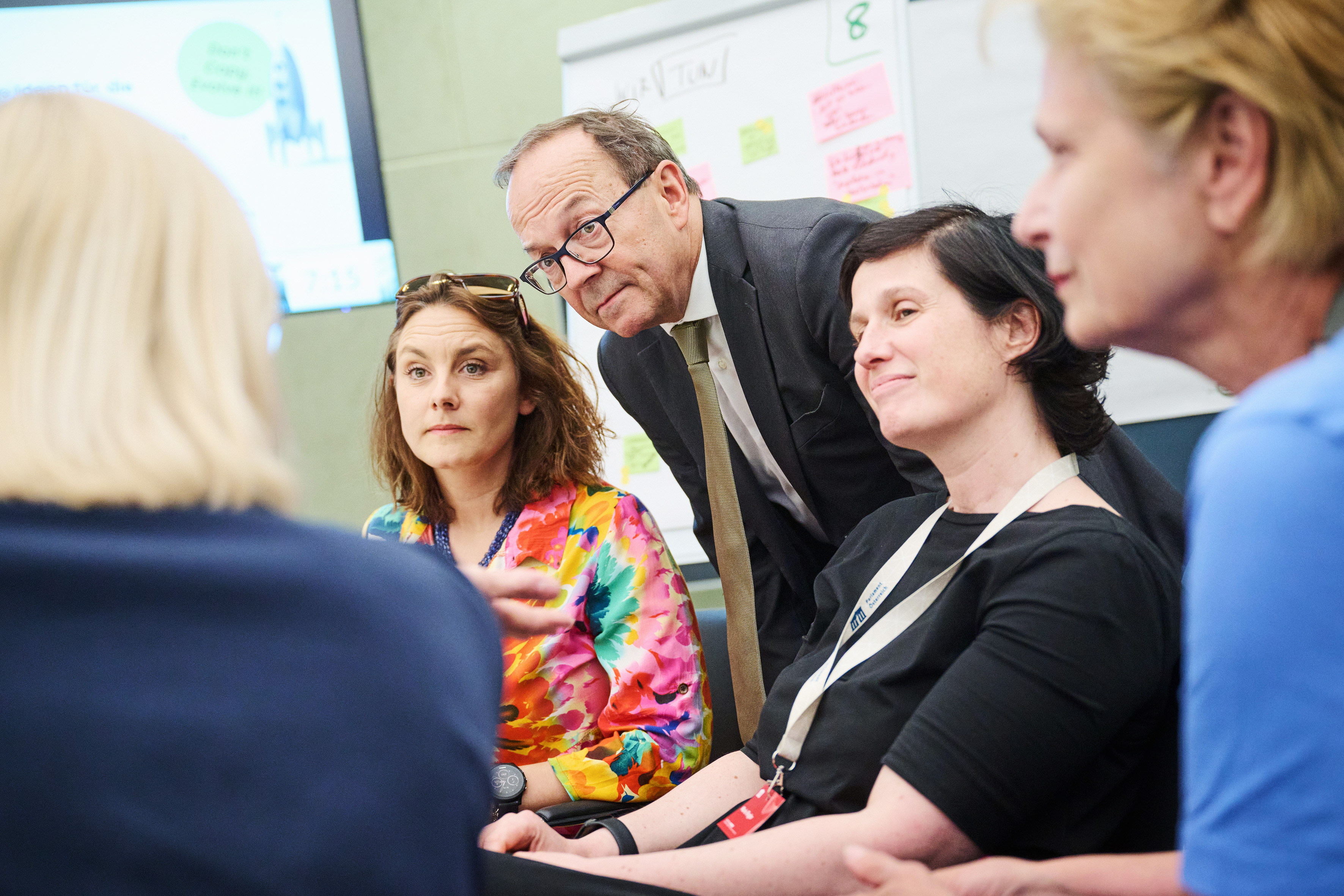
Based on the guiding principle “Remembrance is what you do”, it is designed as an interactive setting: people with different experiences, perspectives and approaches will engage in dialogue, reflect on current challenges and jointly develop new approaches to contemporary Holocaust education.
The conference will explore two key questions:
How can we effectively counter digital historical distortion? How can Holocaust education today be made contemporary, accessible and forward-looking?
Together with experts, participants will discuss how remembrance can remain vibrant, responsible and socially relevant in today’s digital world.
When: Friday, 19 June 2026, from 10.00 am to 4.00 pm.
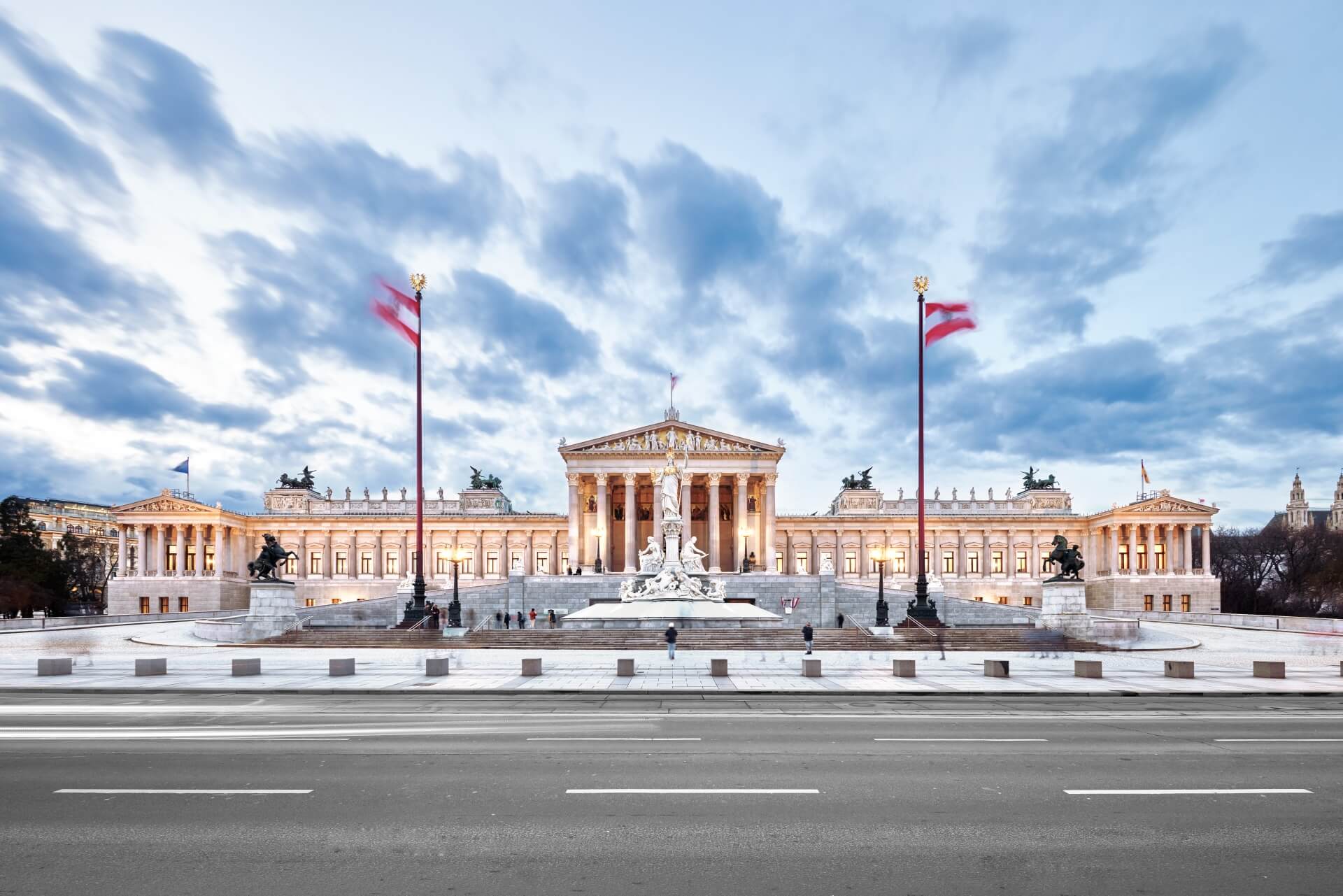
Where: Austrian Parliament
Programme:
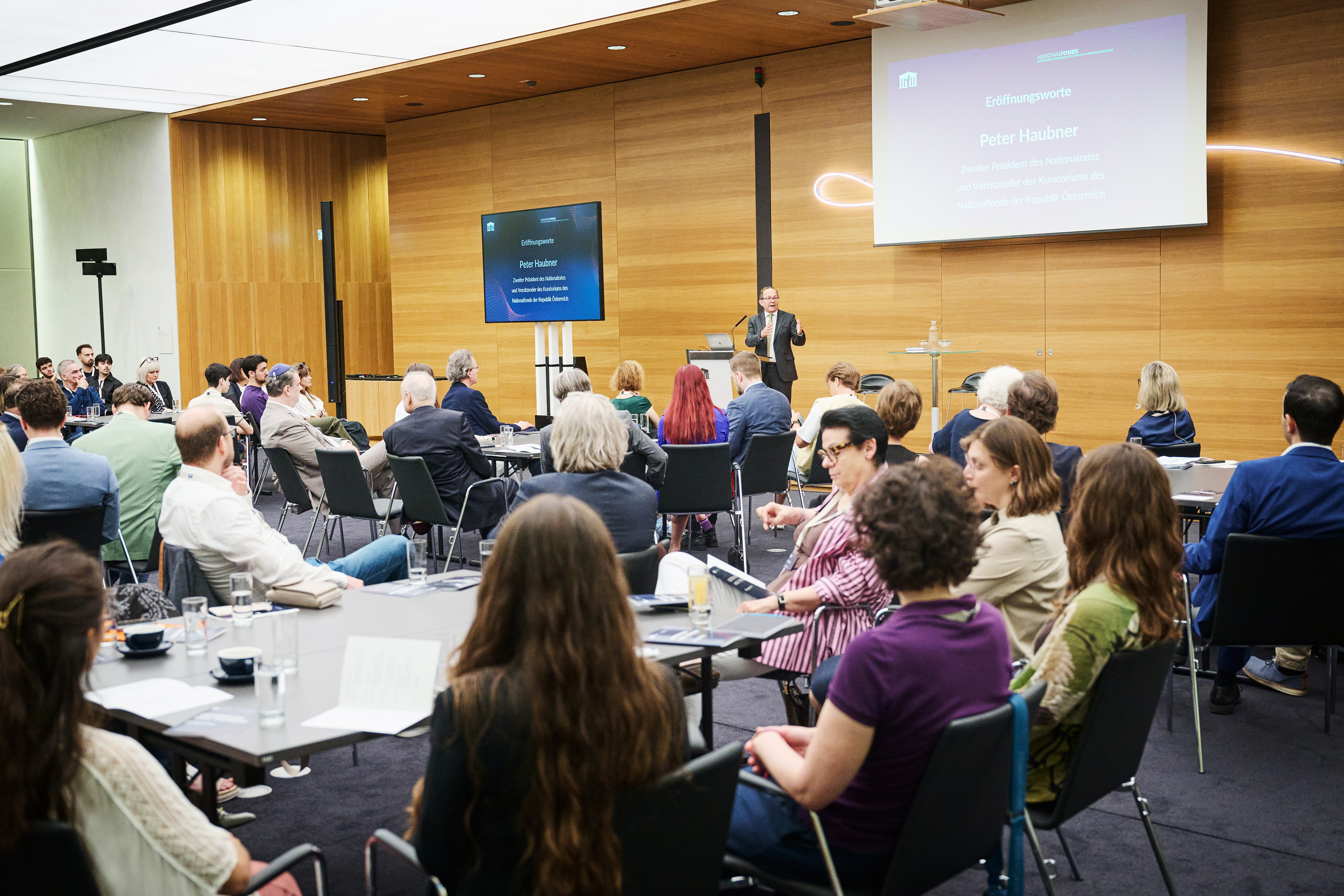
Welcome
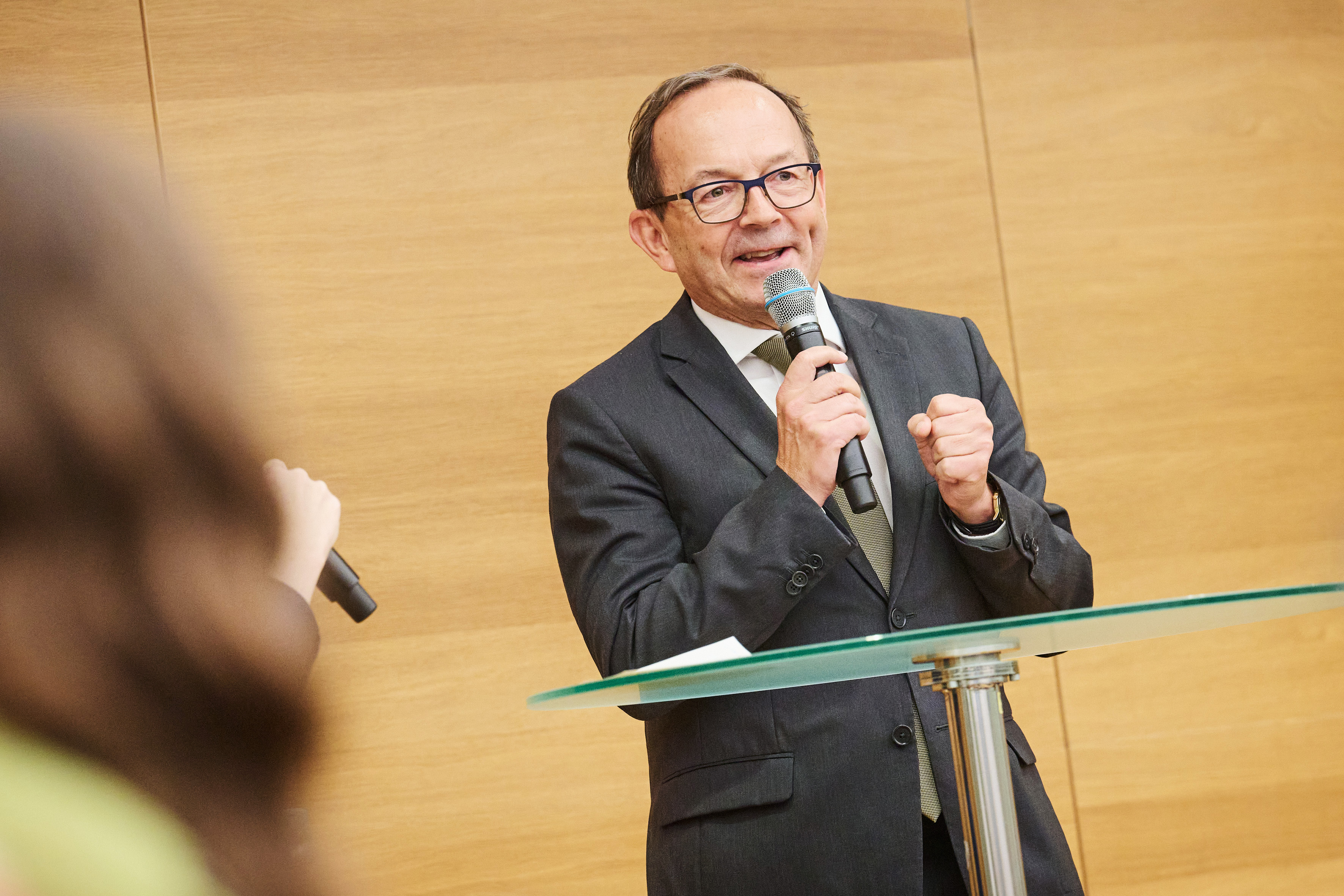
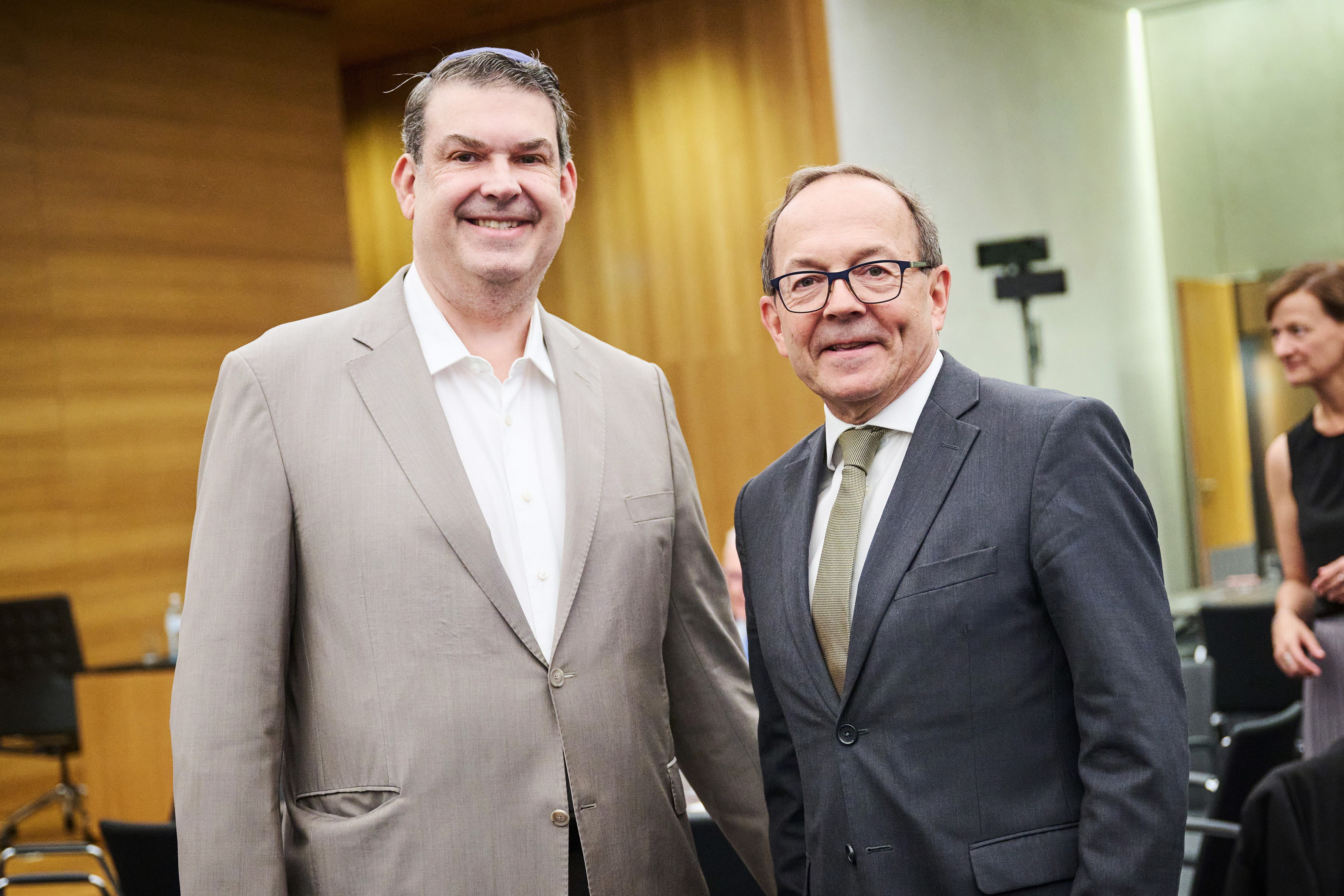
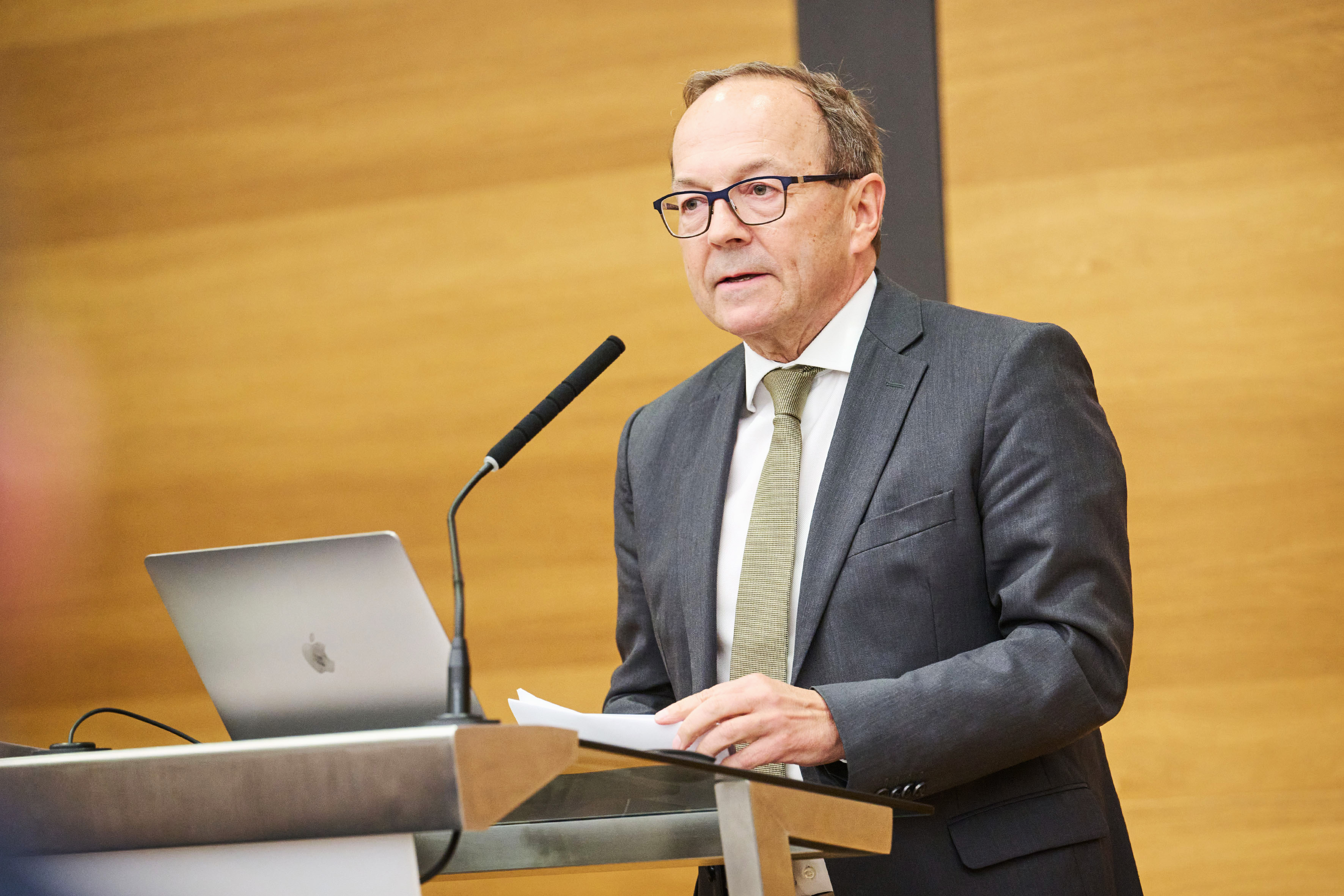
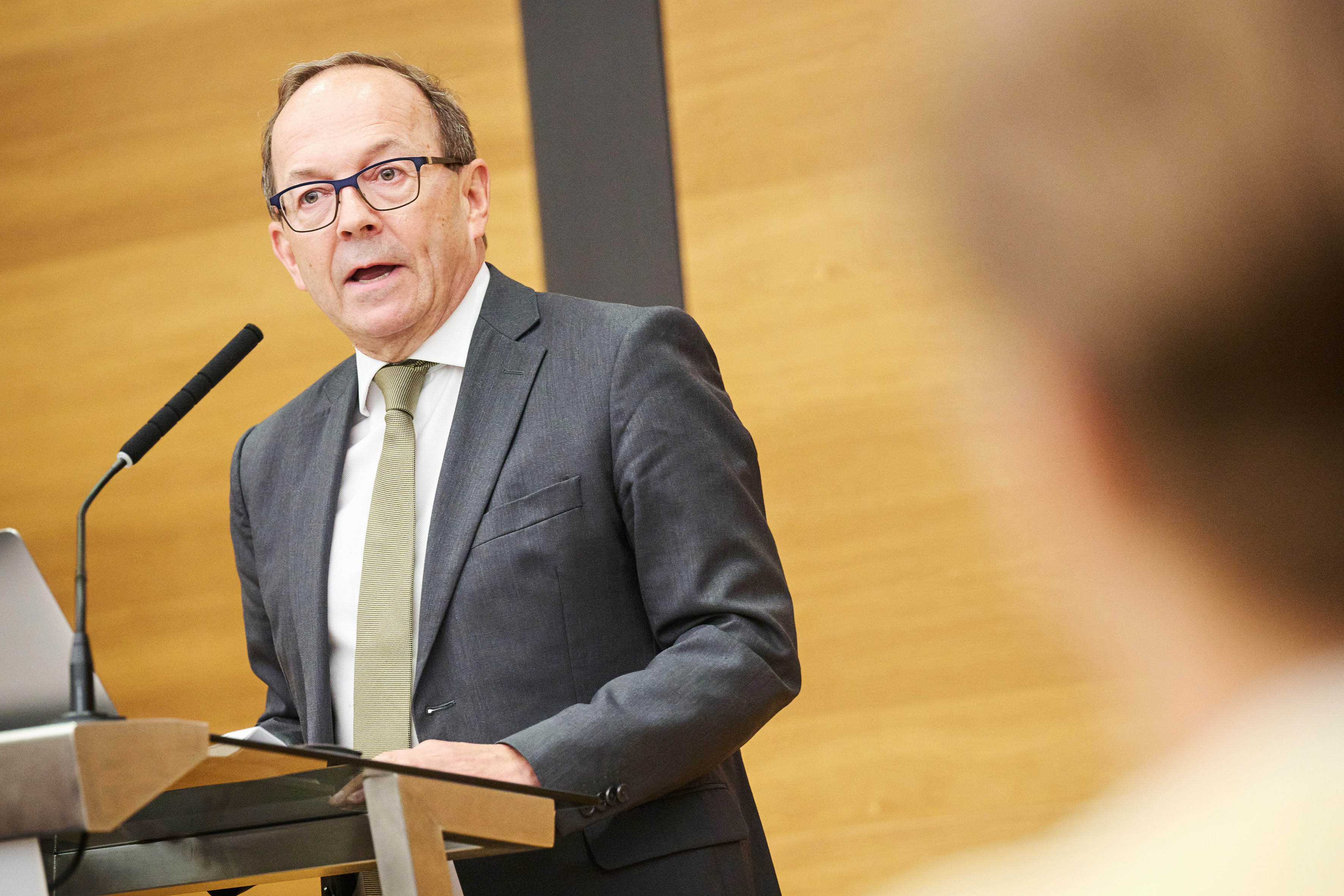
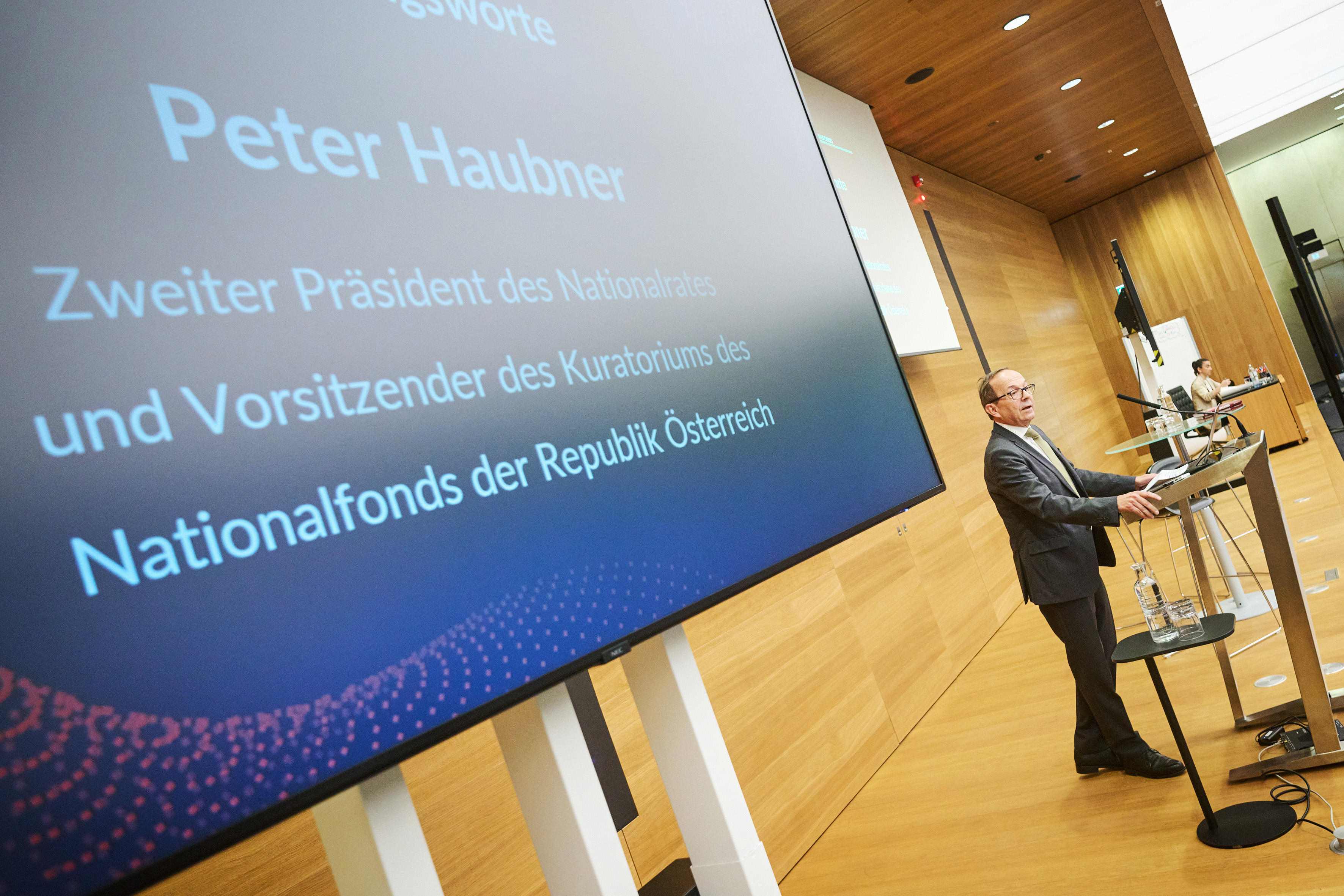
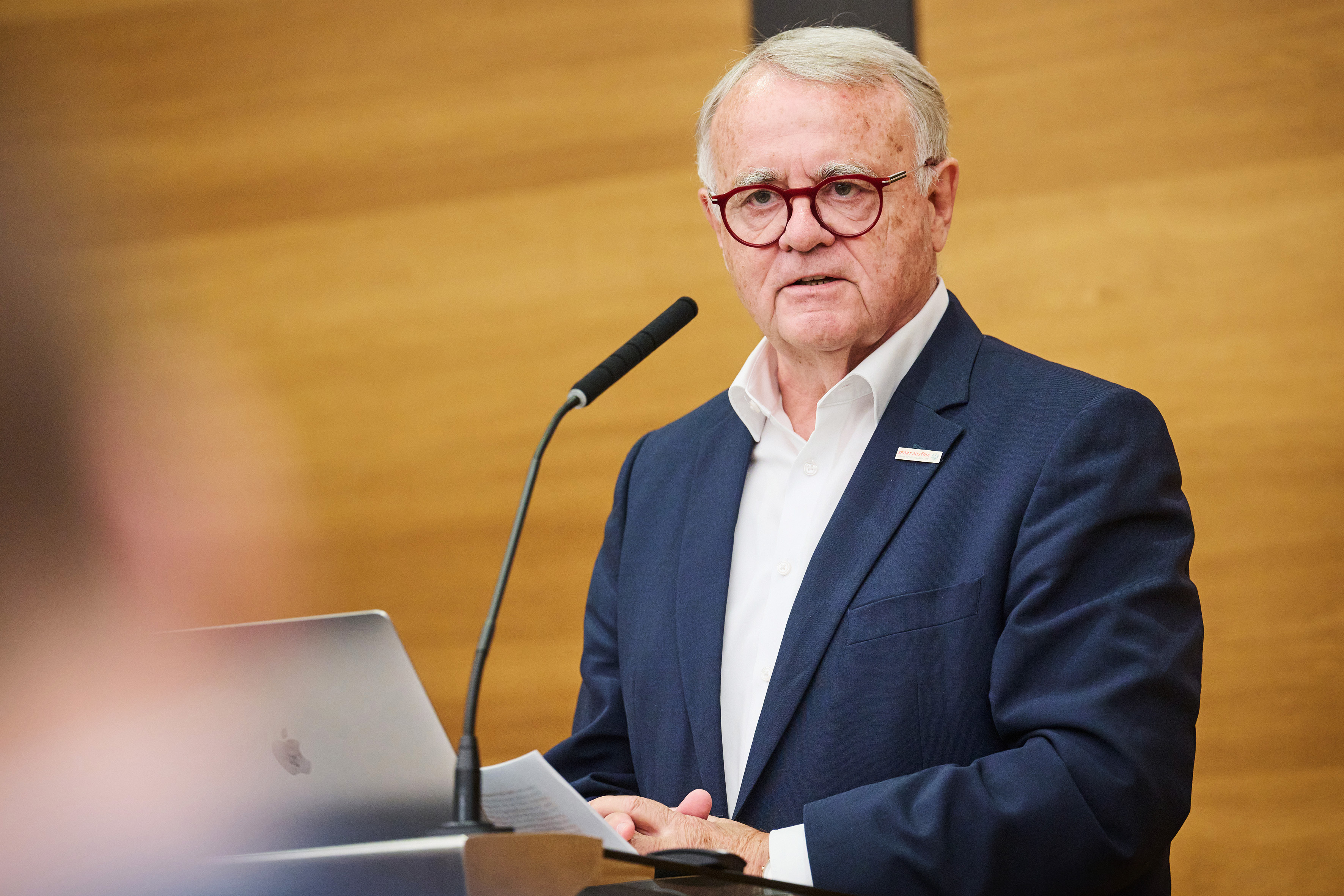
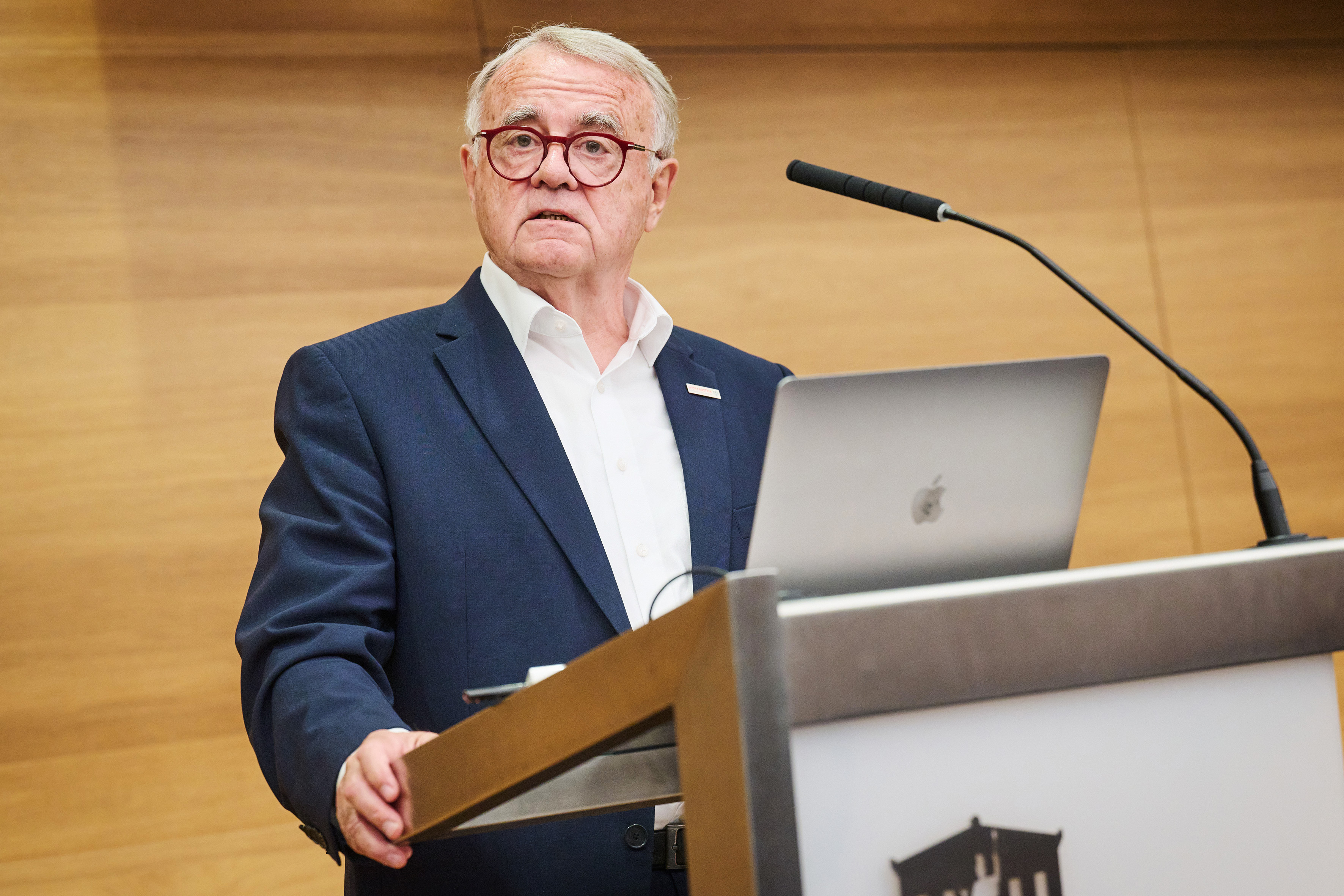
Peter Haubner Second President of the National Council and Chair of the Board of Trustees of the National Fund of the Republic of Austria for Victims of National Socialism
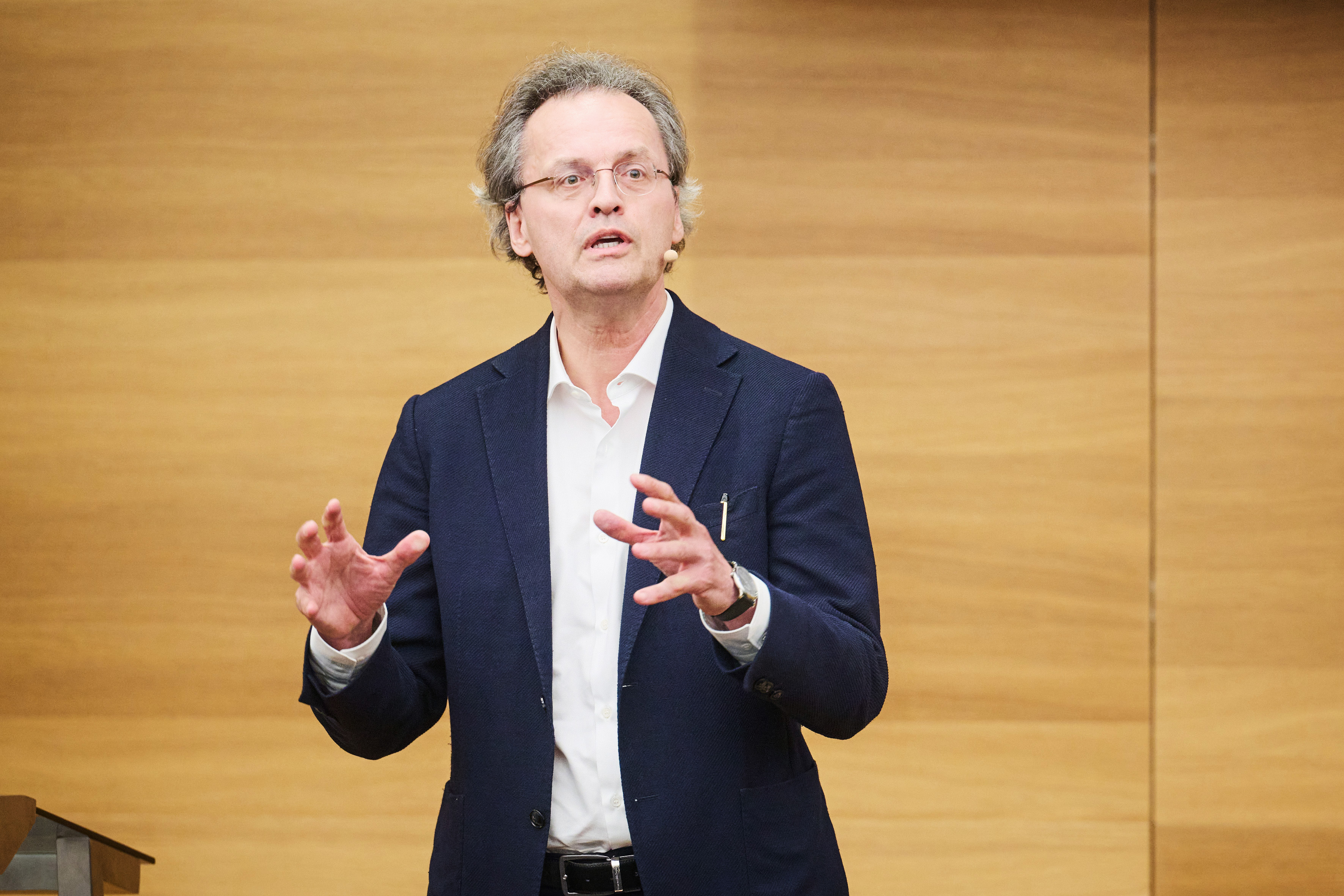
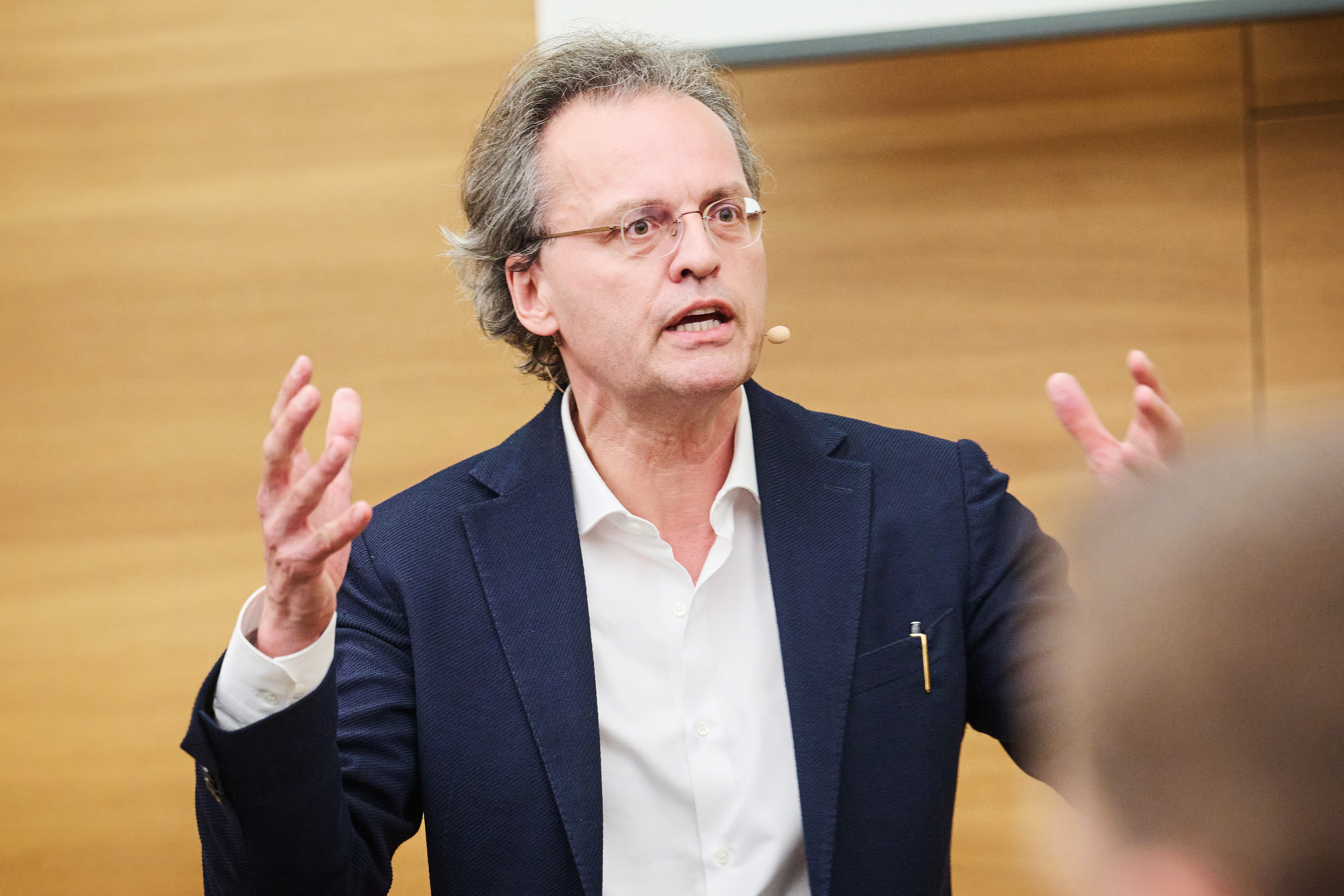
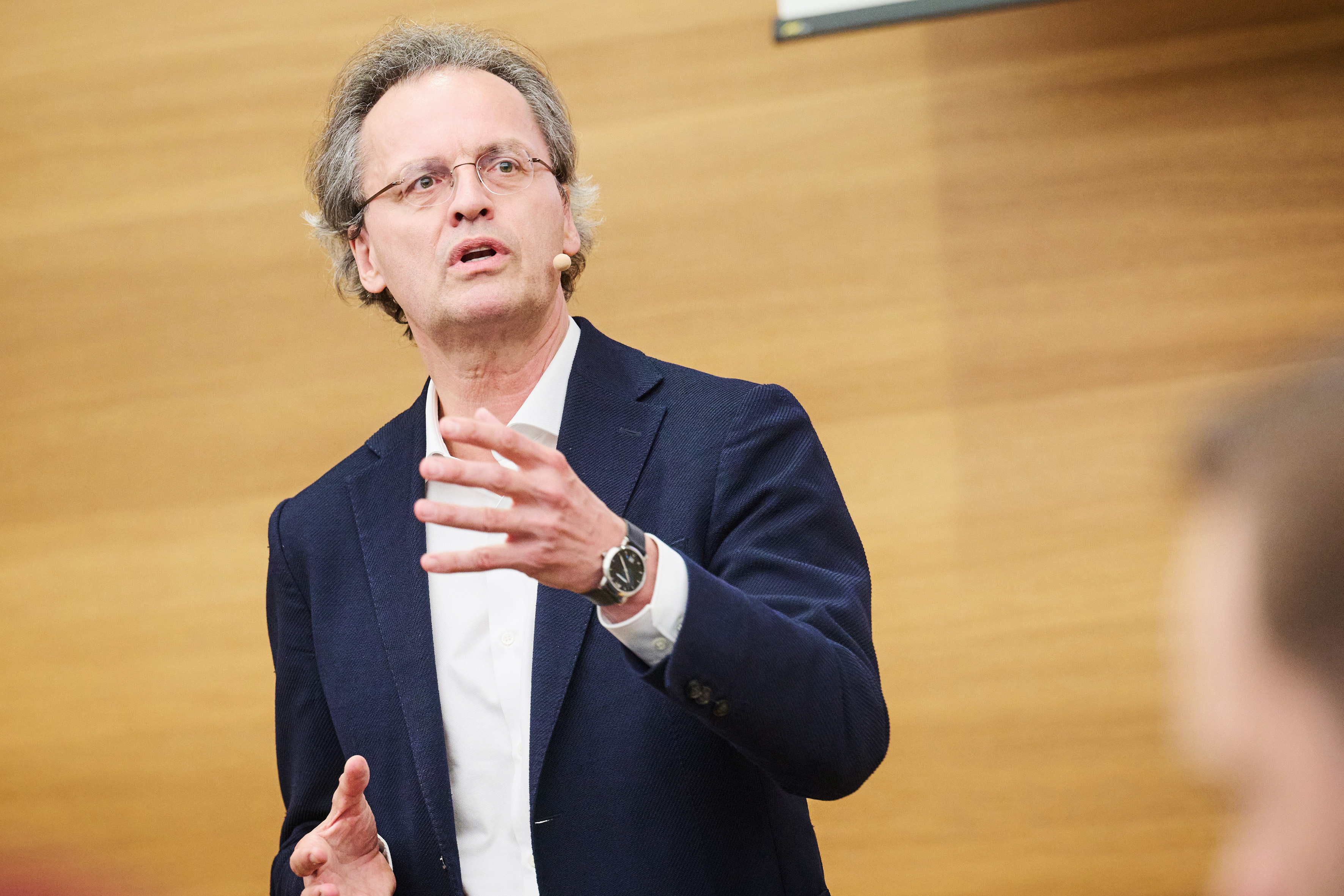
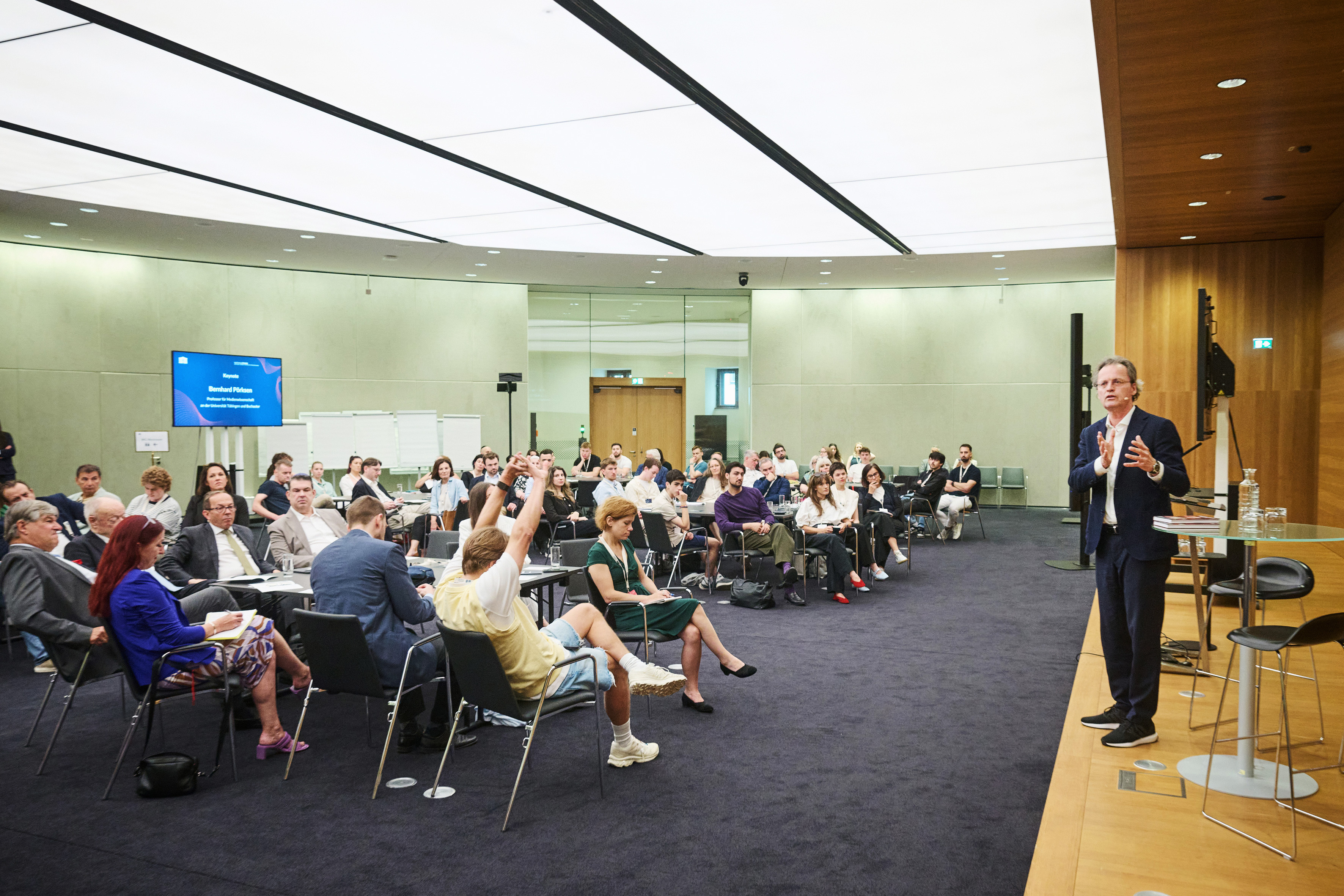
Keynote
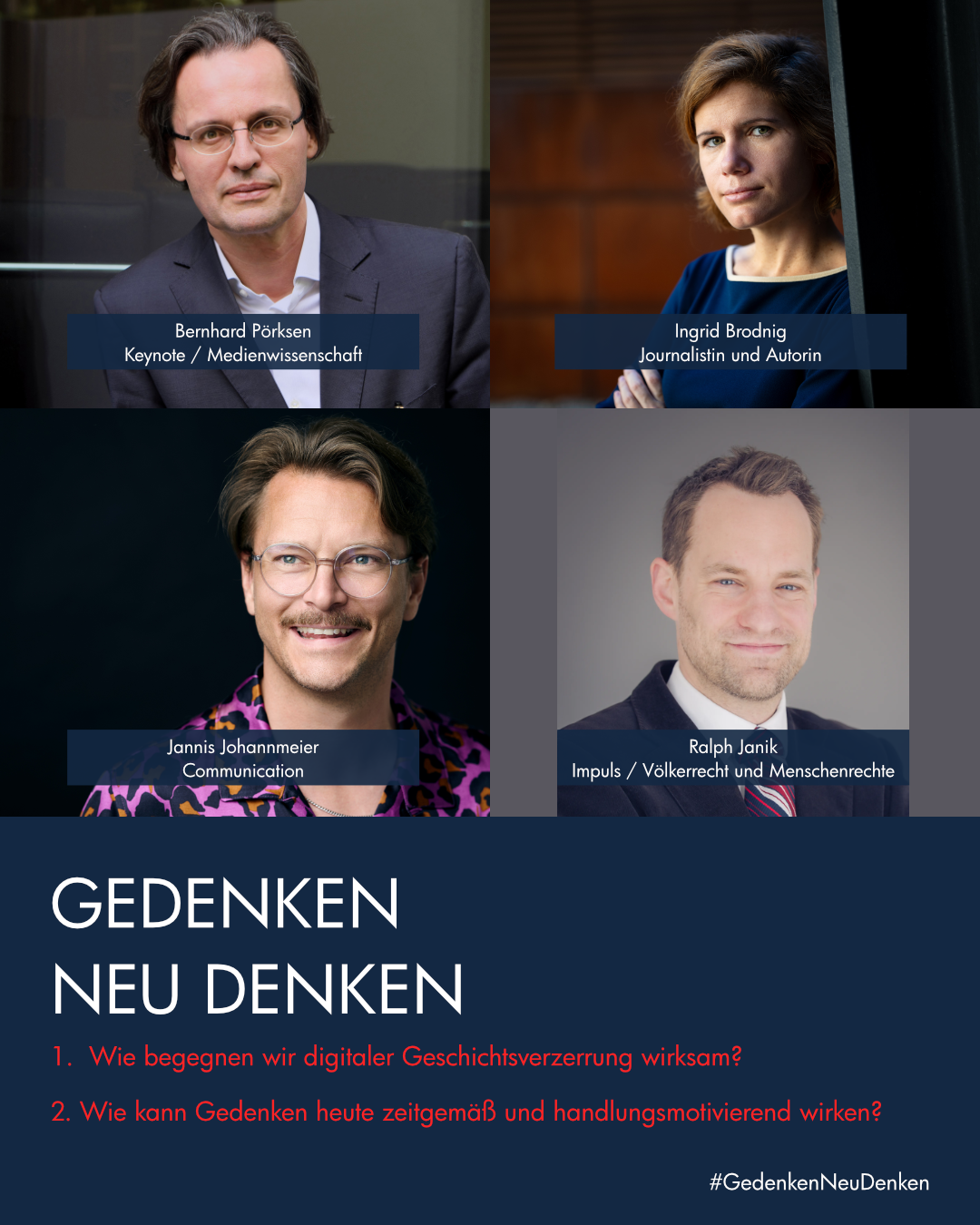
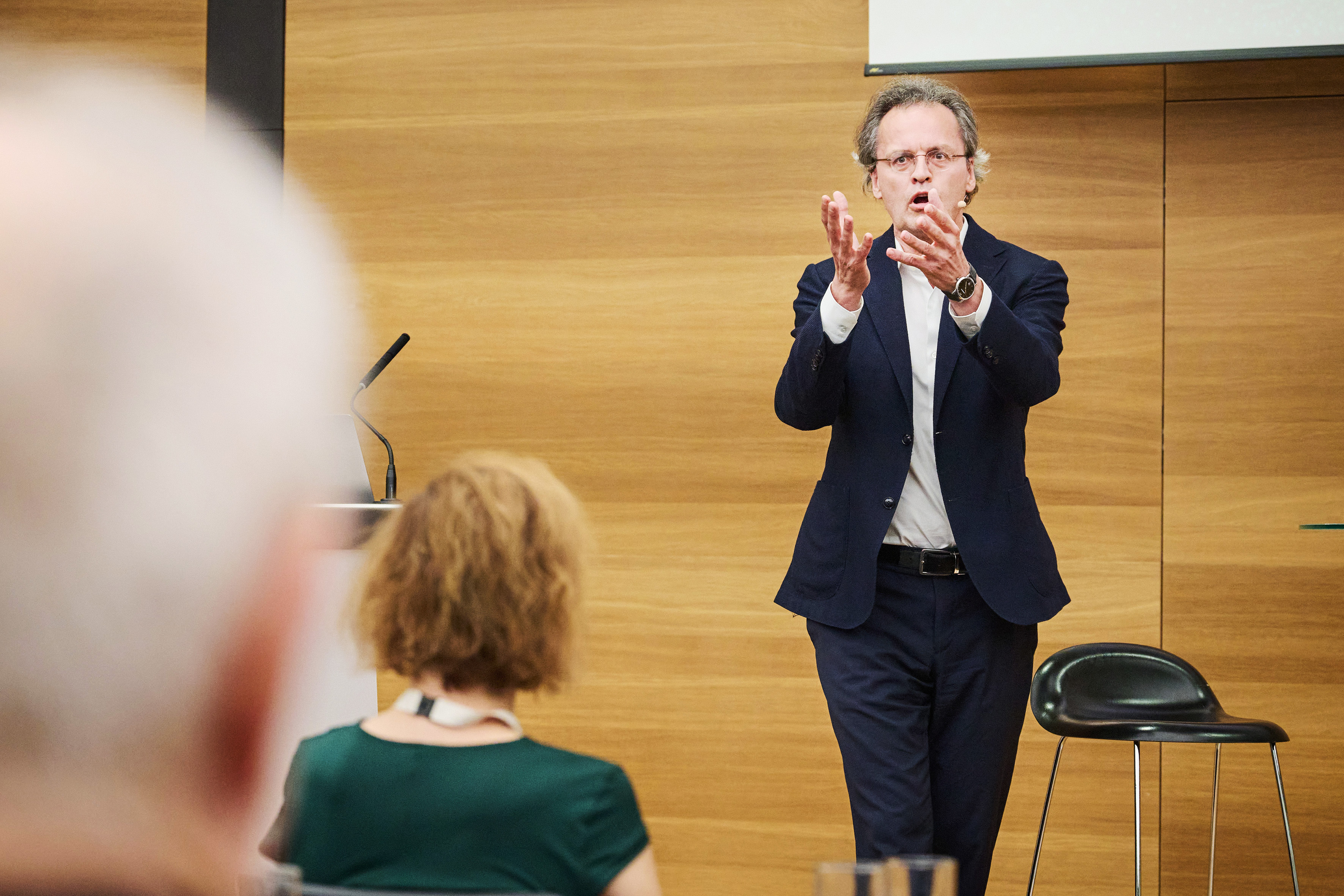
Bernhard Pörksen Professor of Media Studies at the University of Tübingen and author
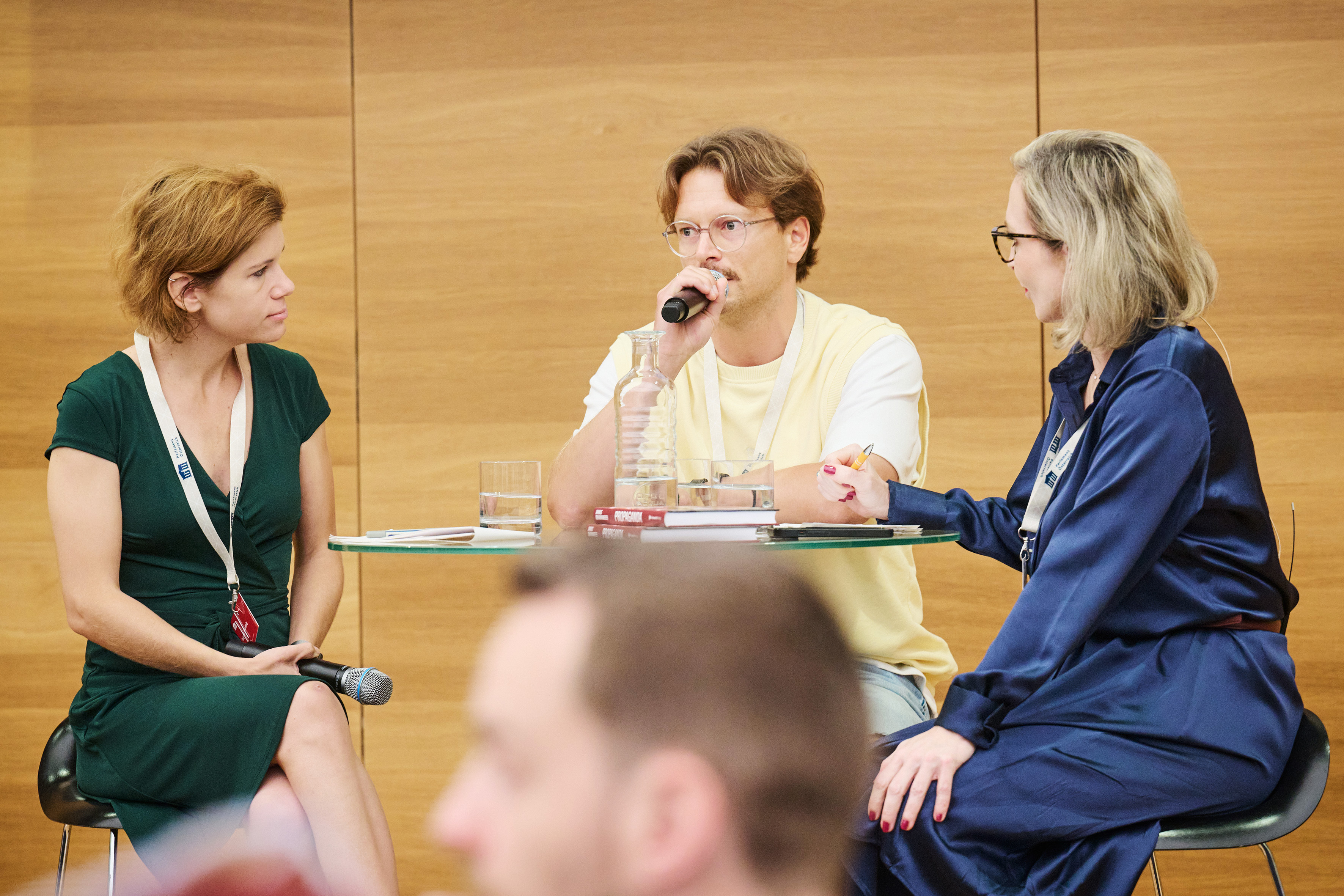
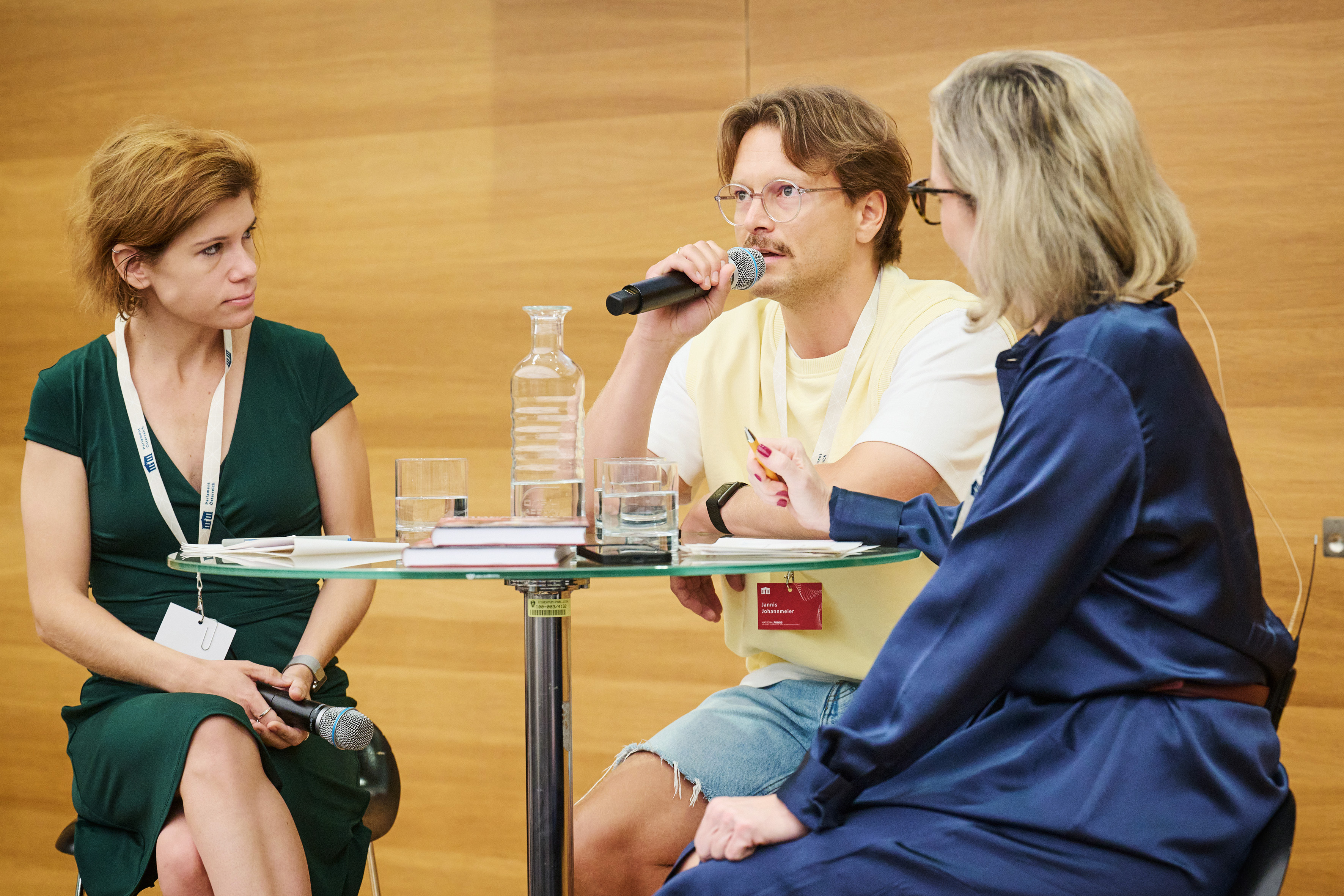
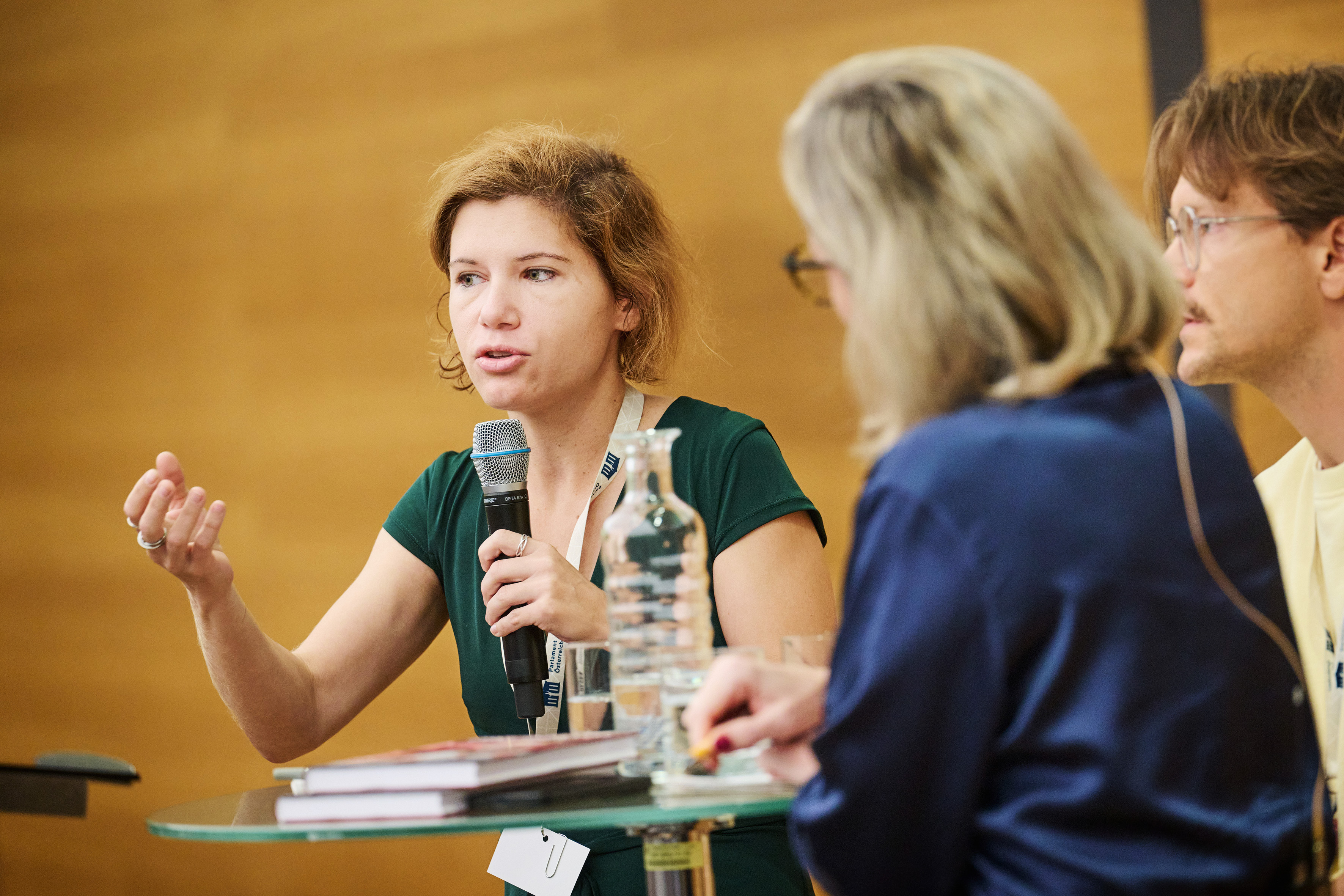
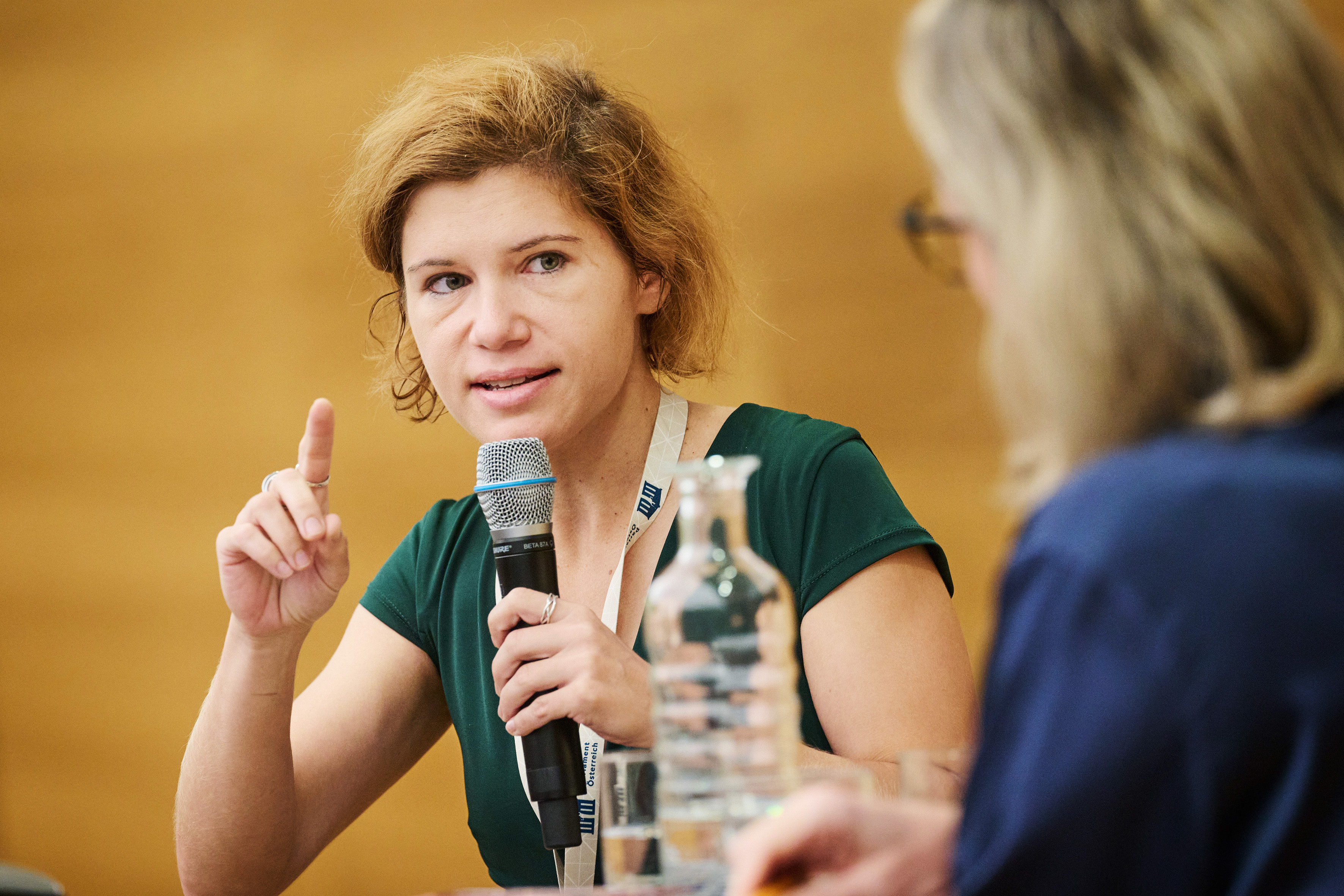
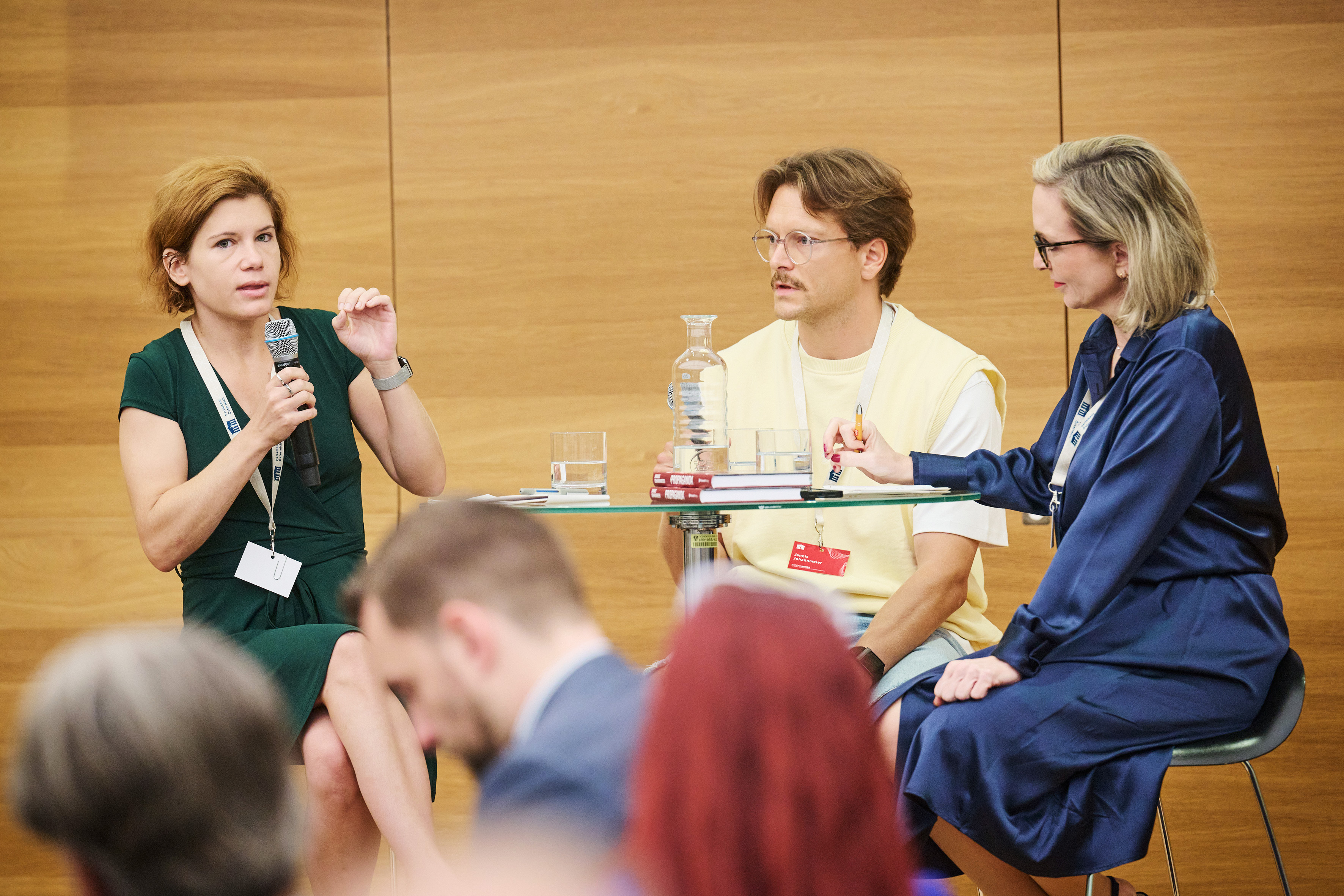
In conversation
Ingrid Brodnig Journalist and author
Jannis Johannmeier Founder and CEO, The Trailblazers GmbH
Keynote
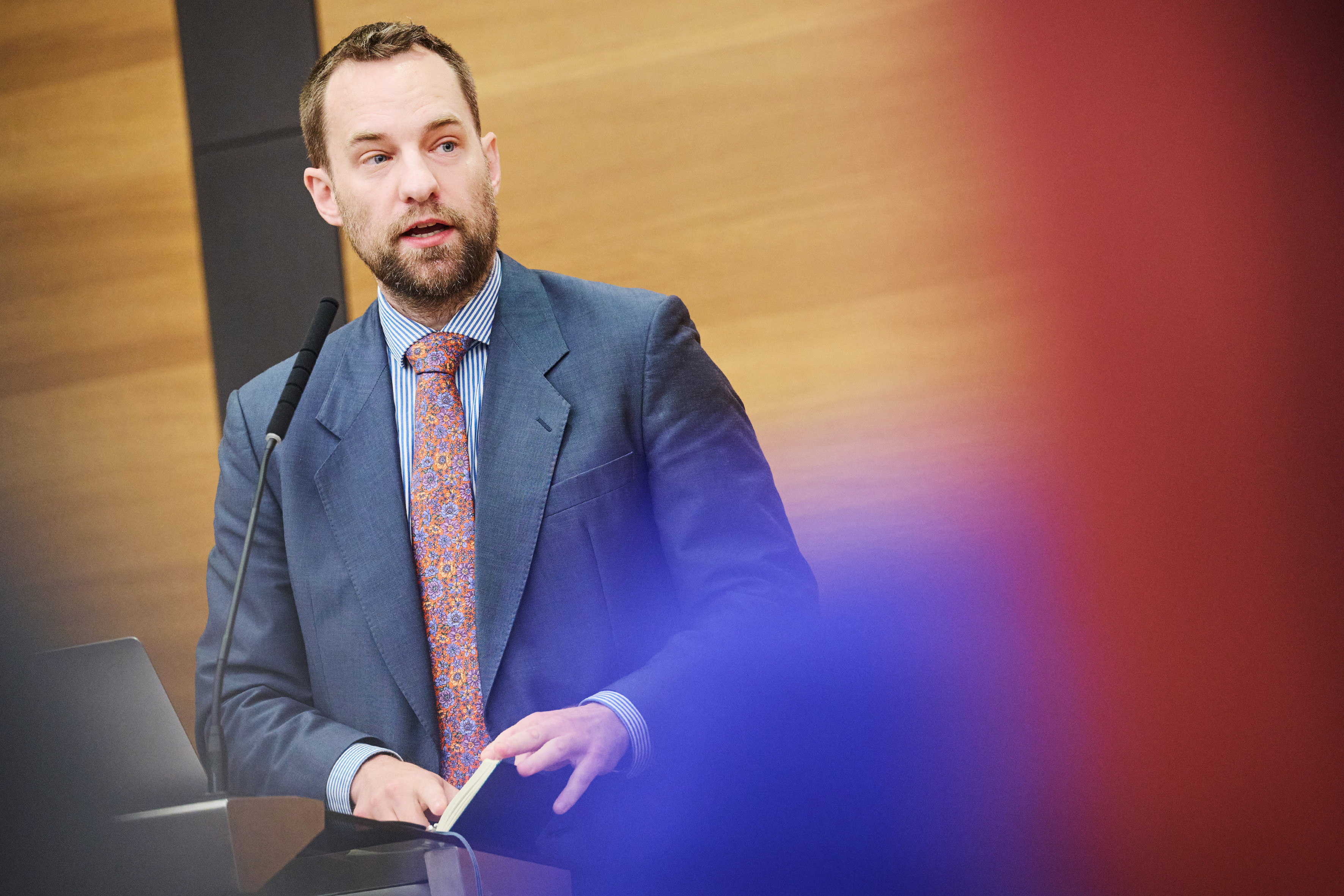
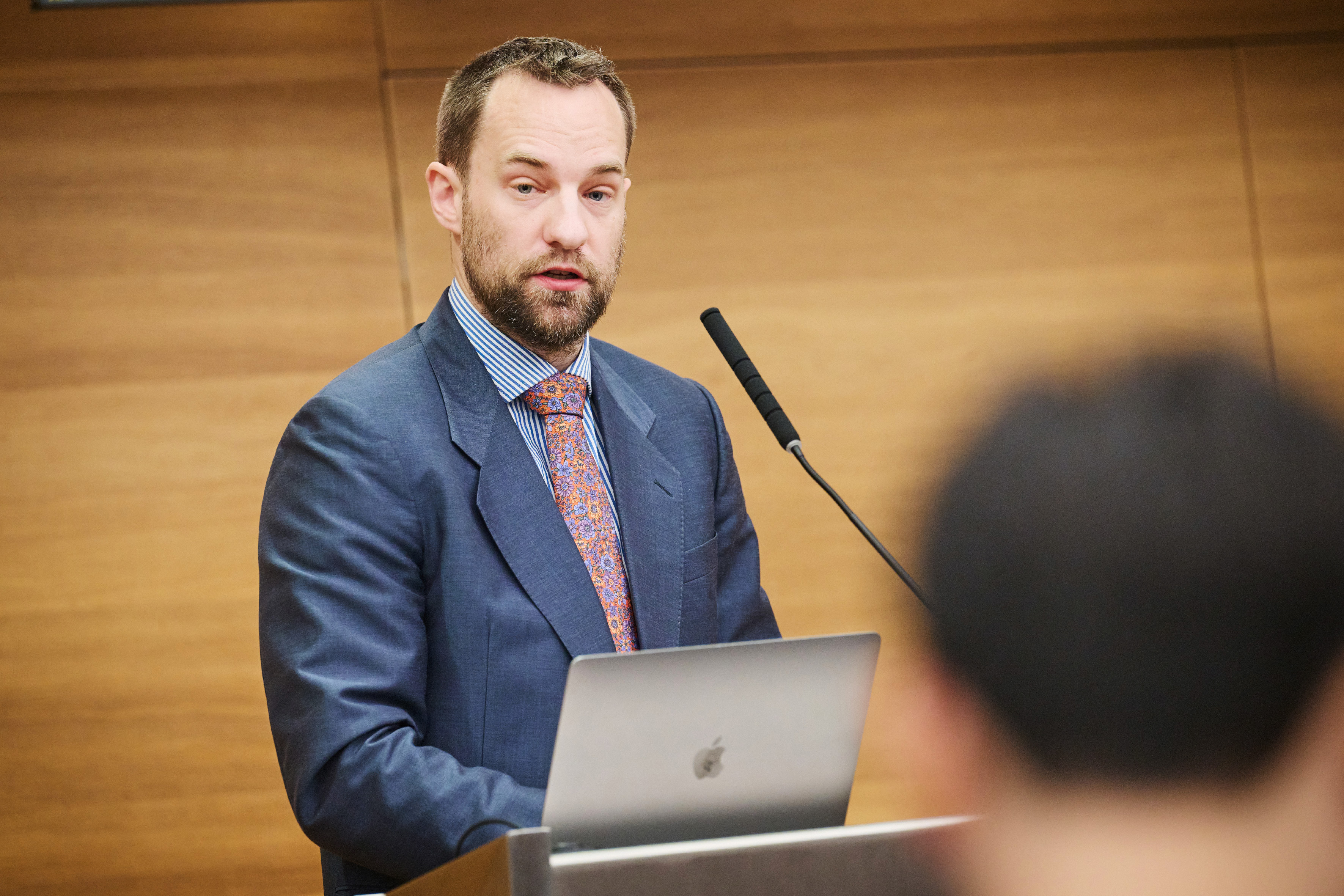
Ralph Janik Assistant Professor of International Law and Human Rights, Sigmund Freud Private University
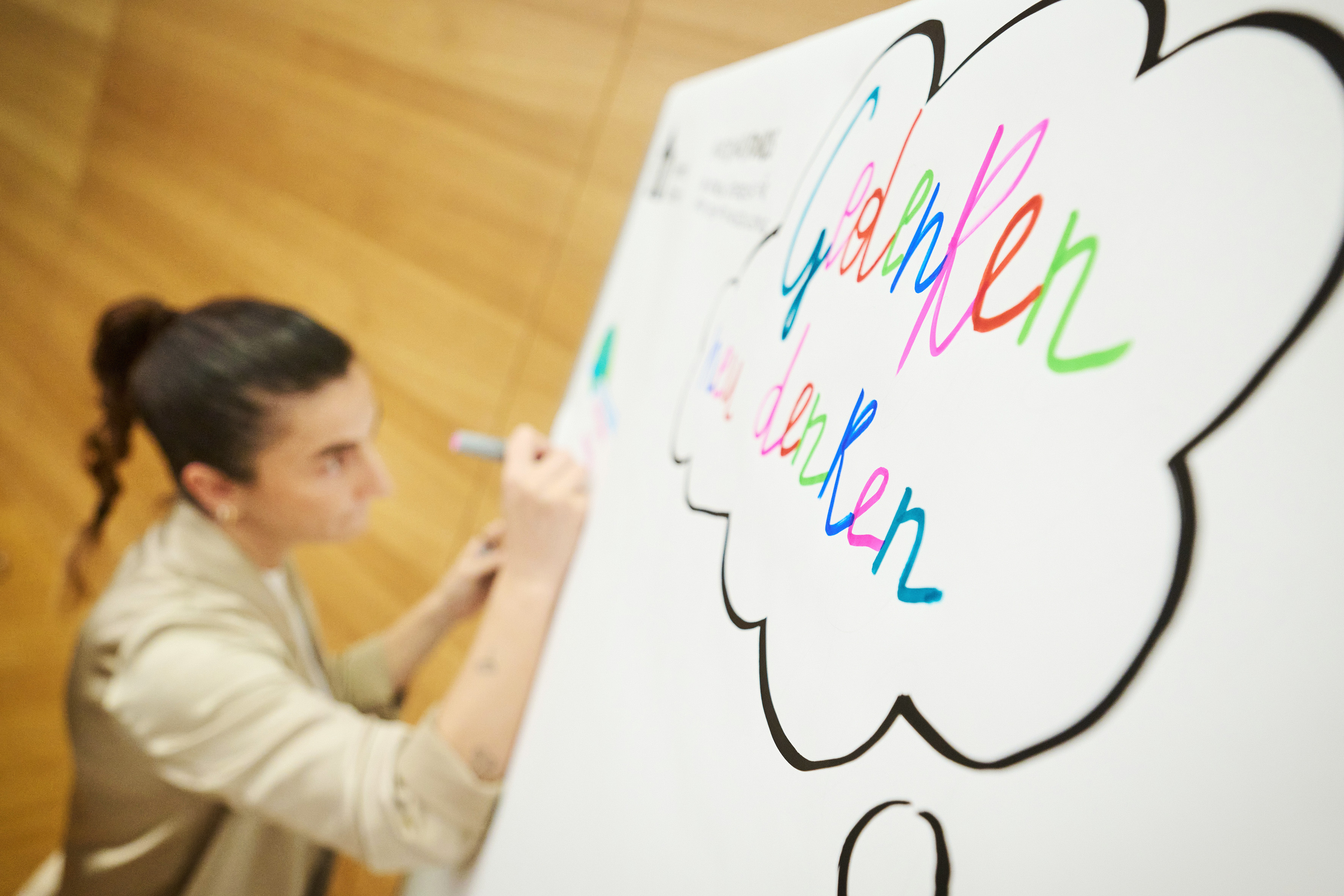
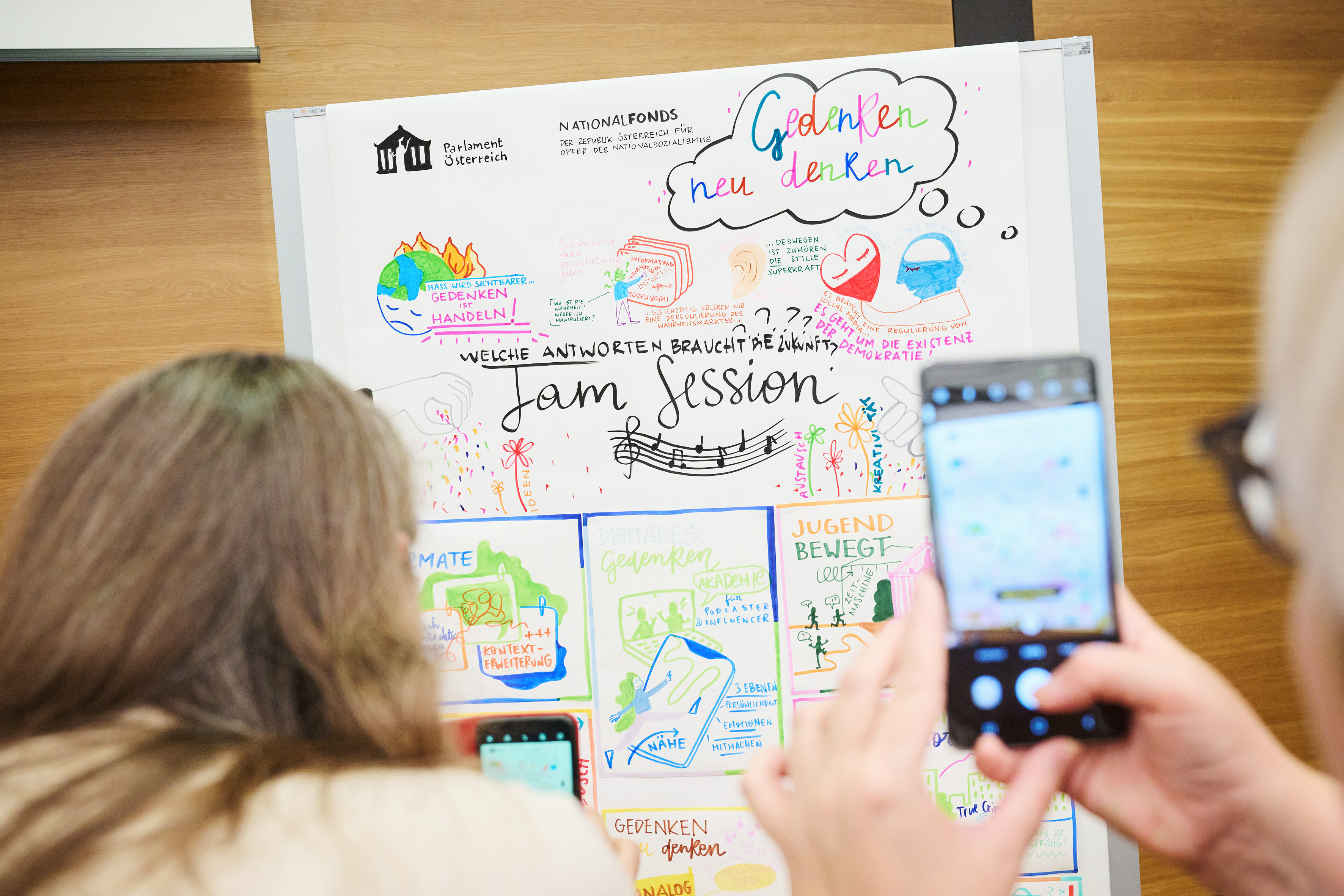
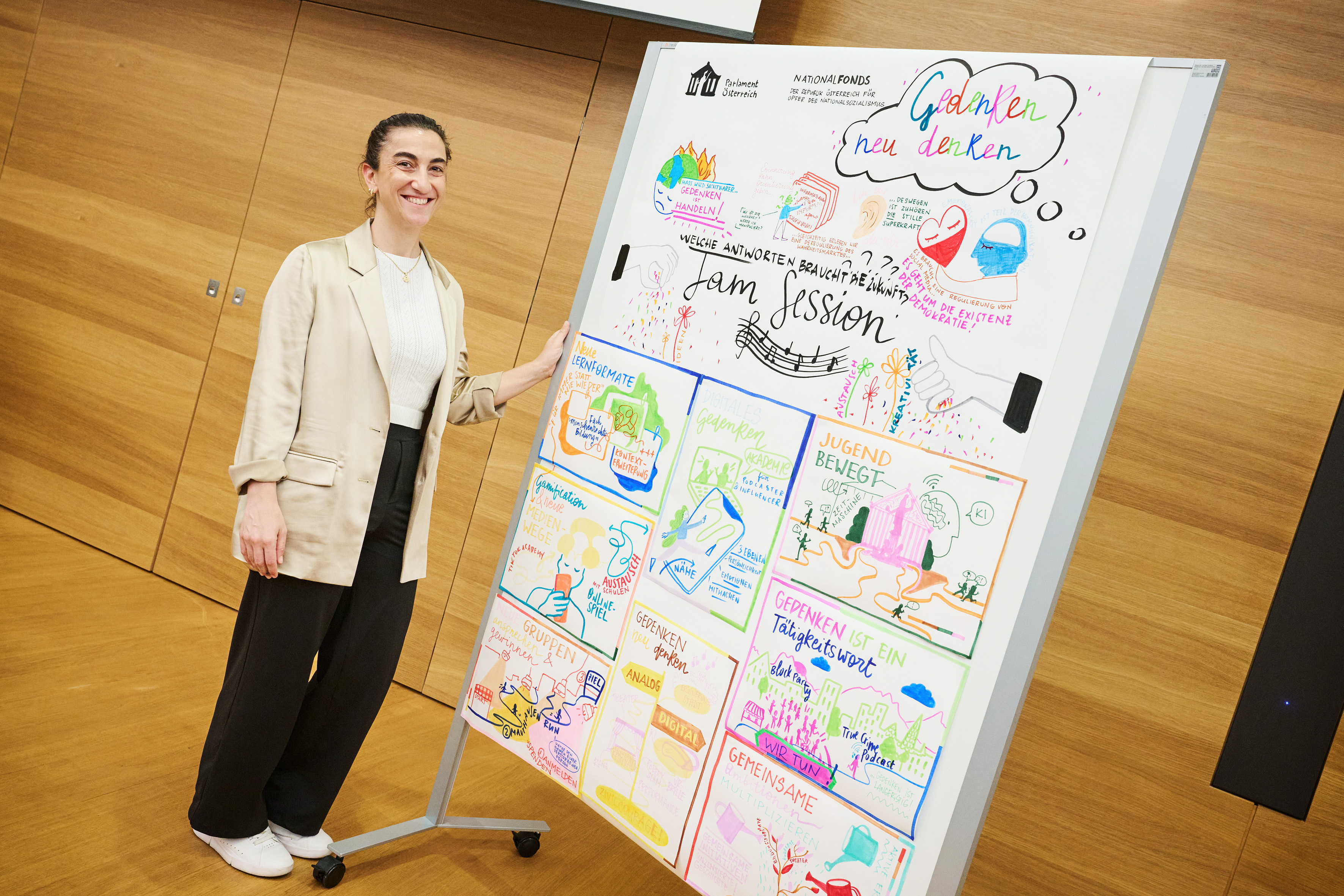
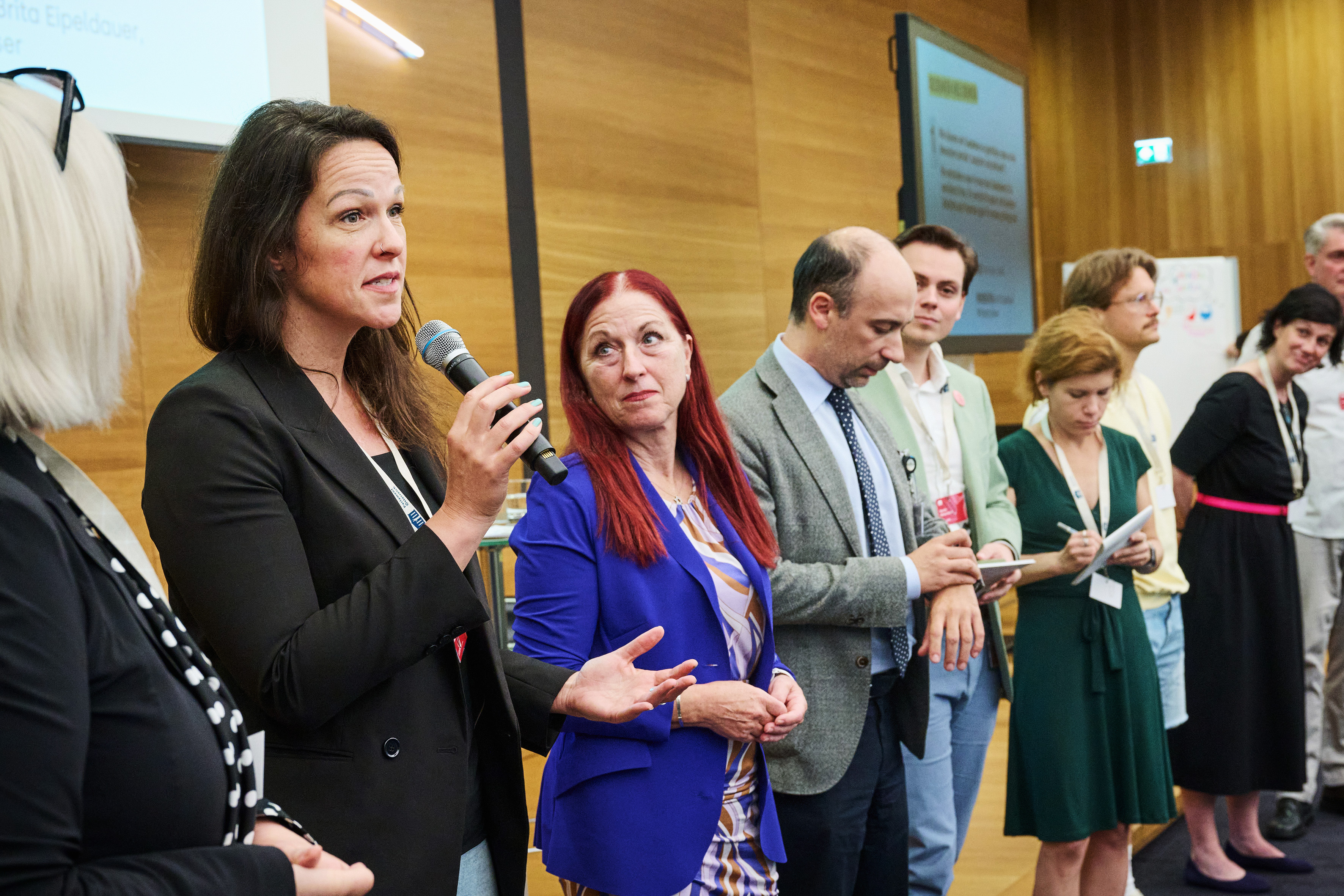
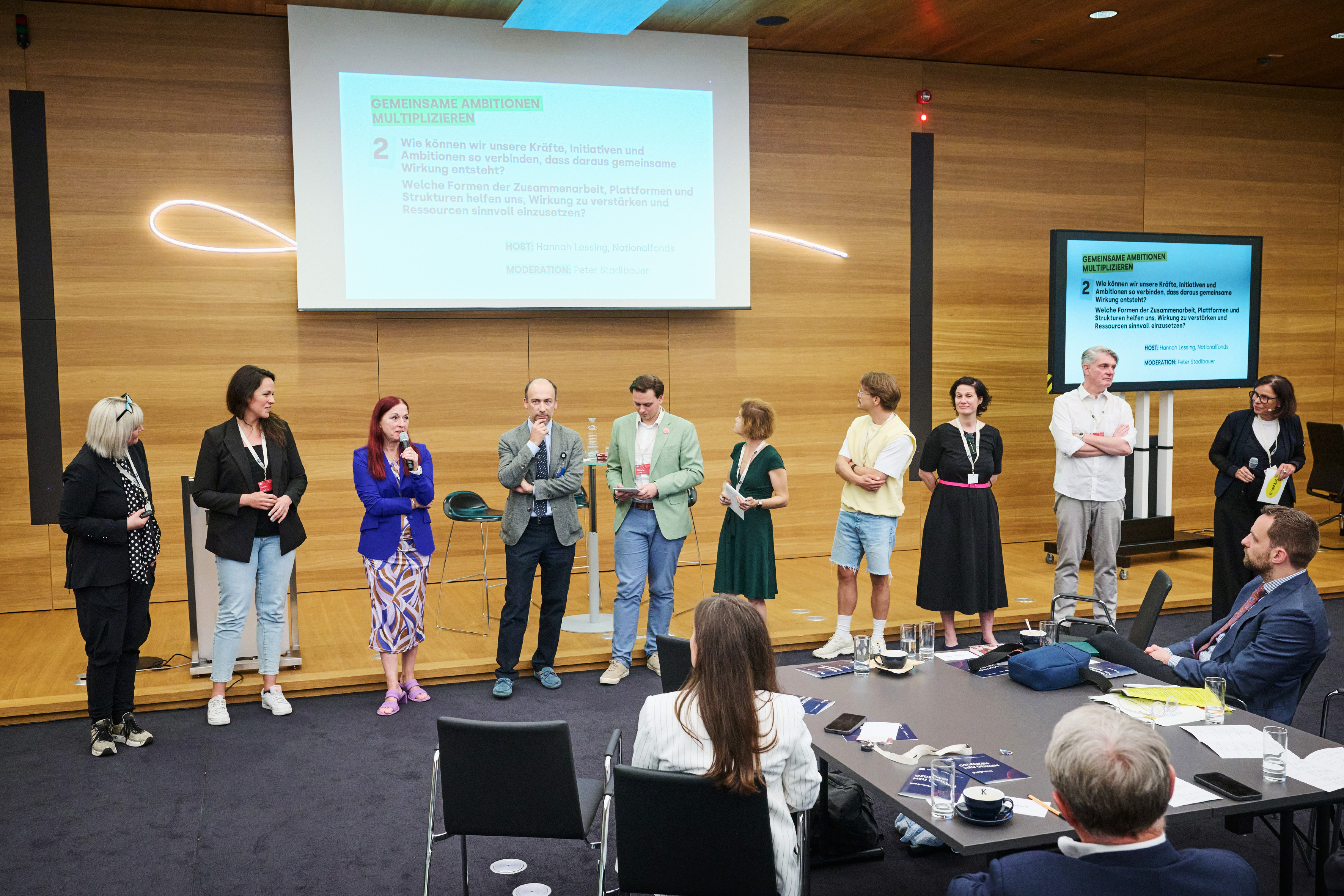
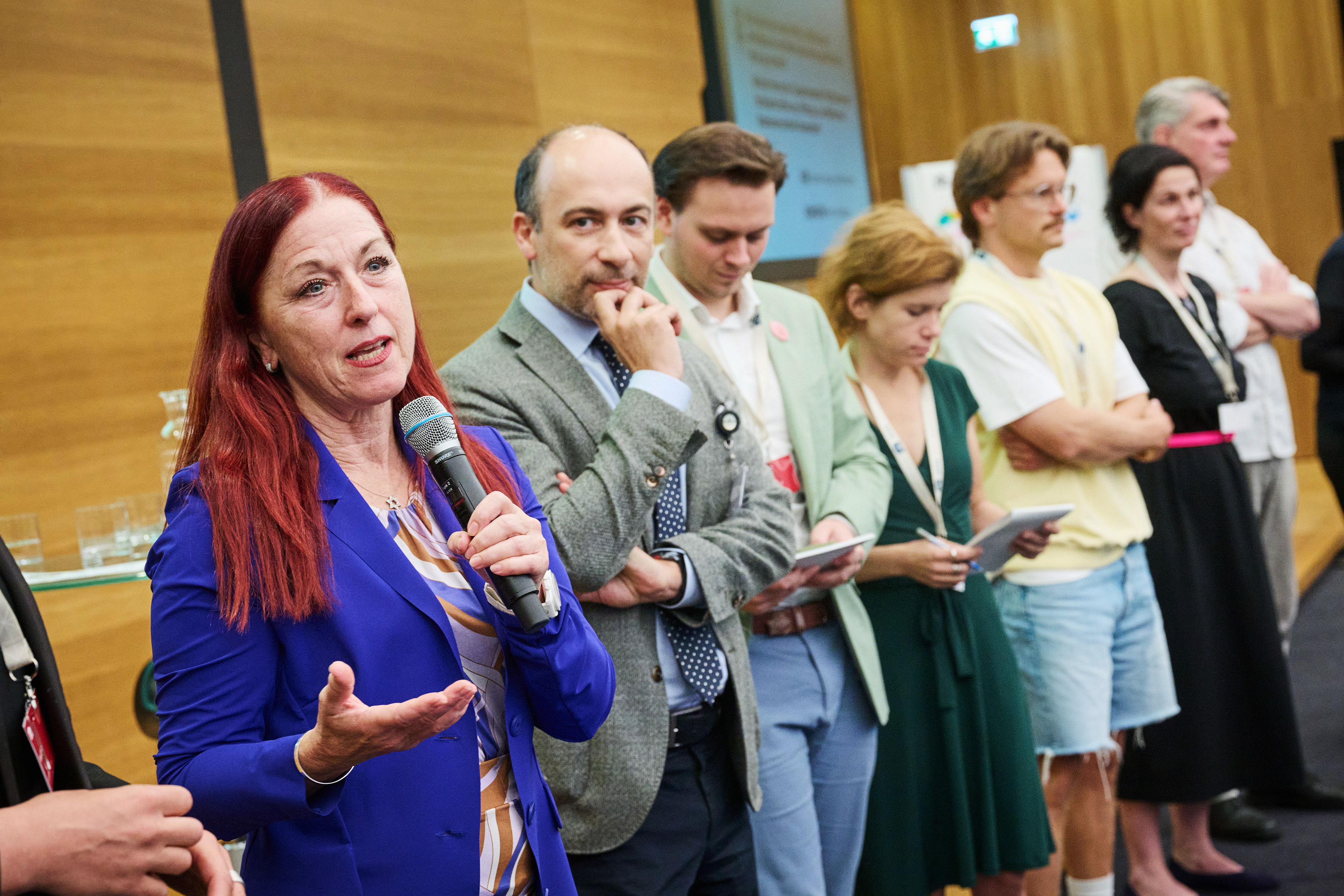
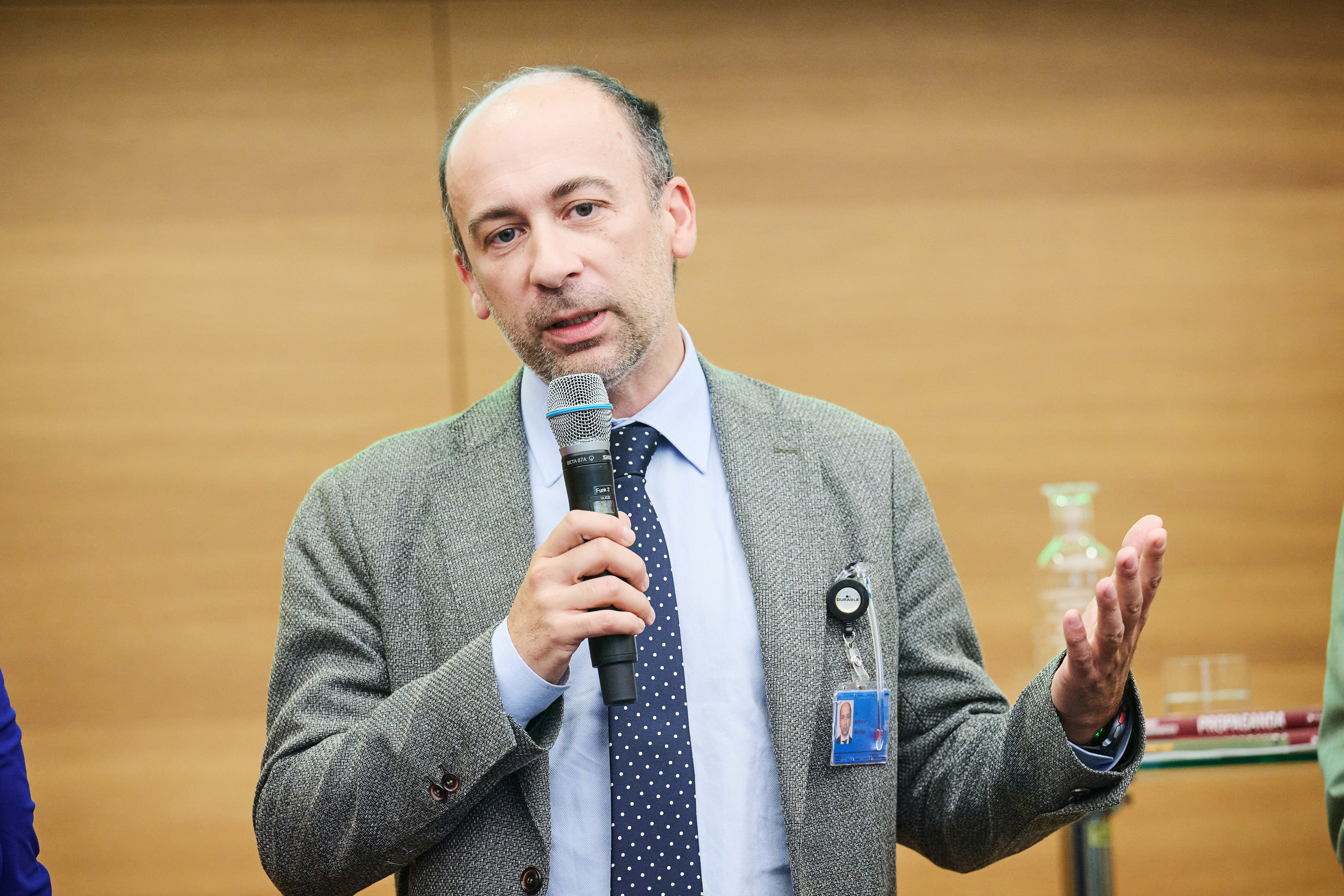
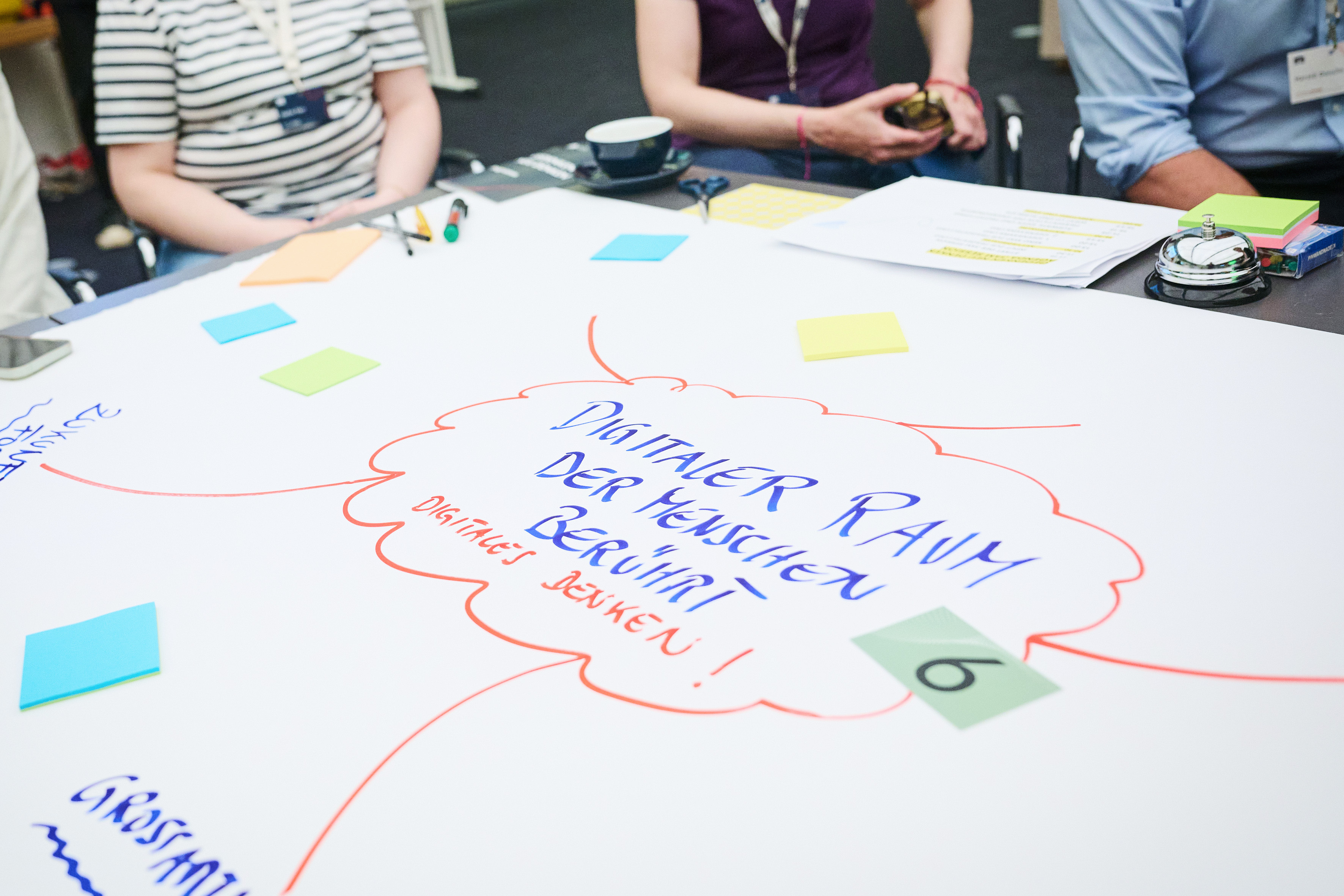
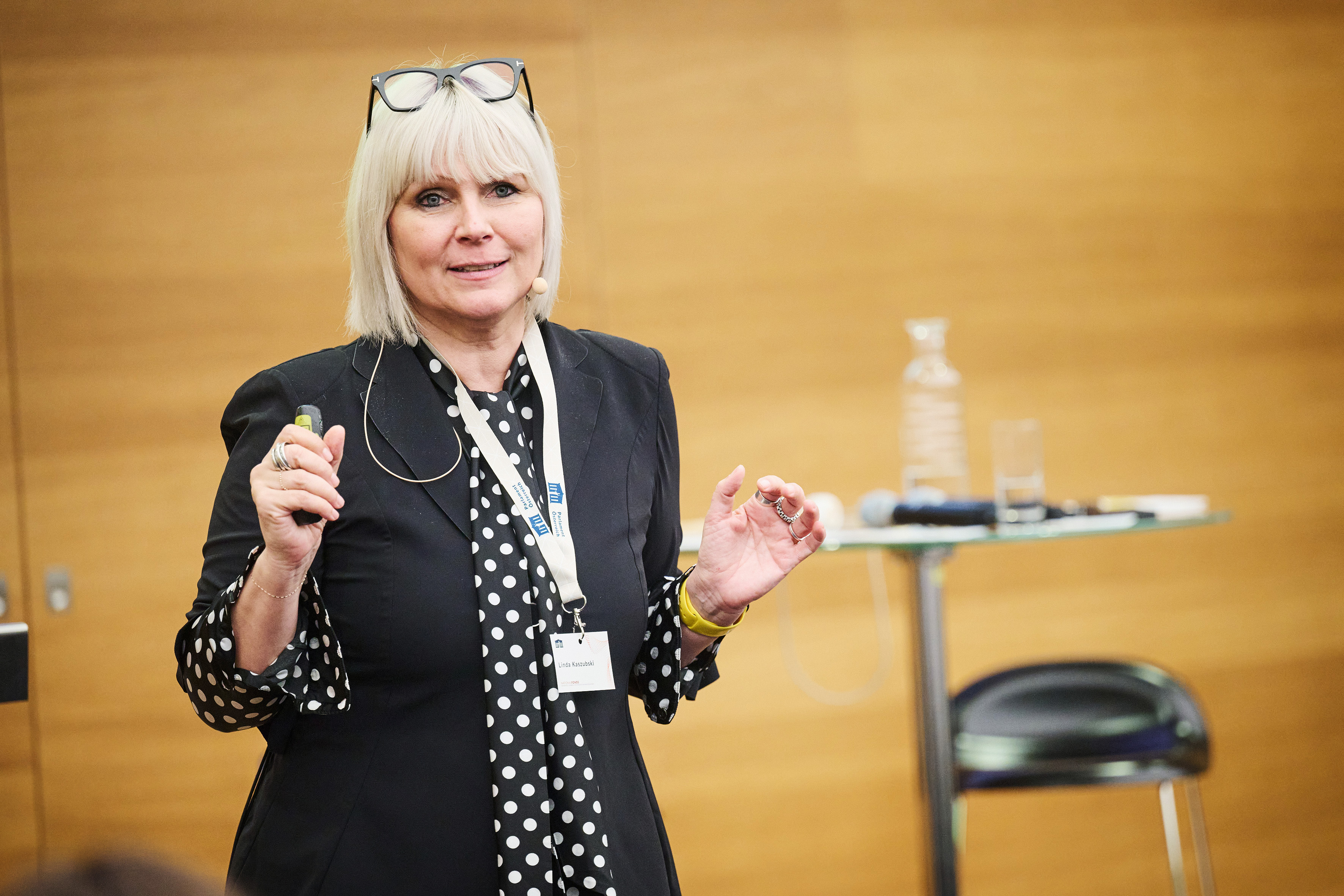
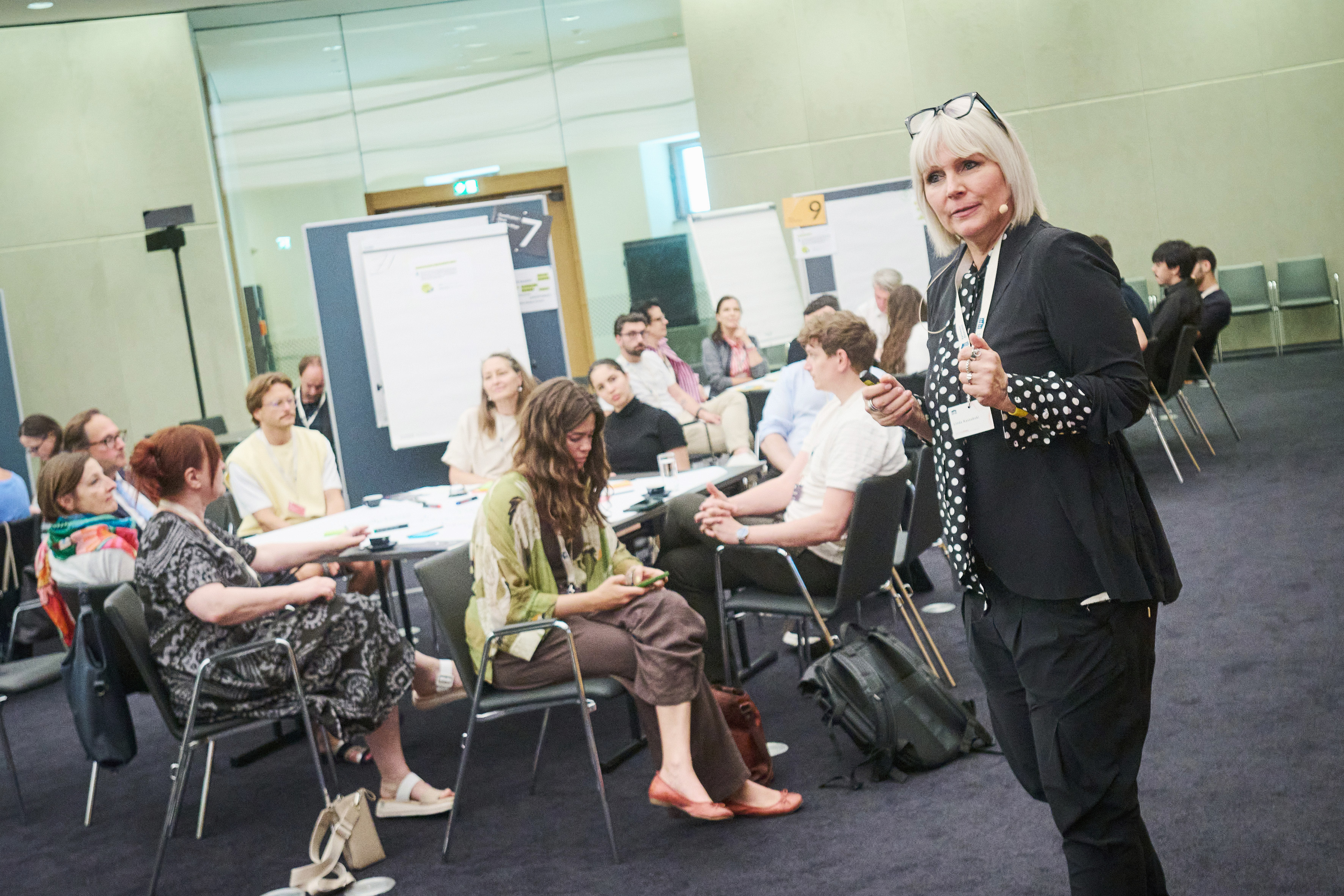
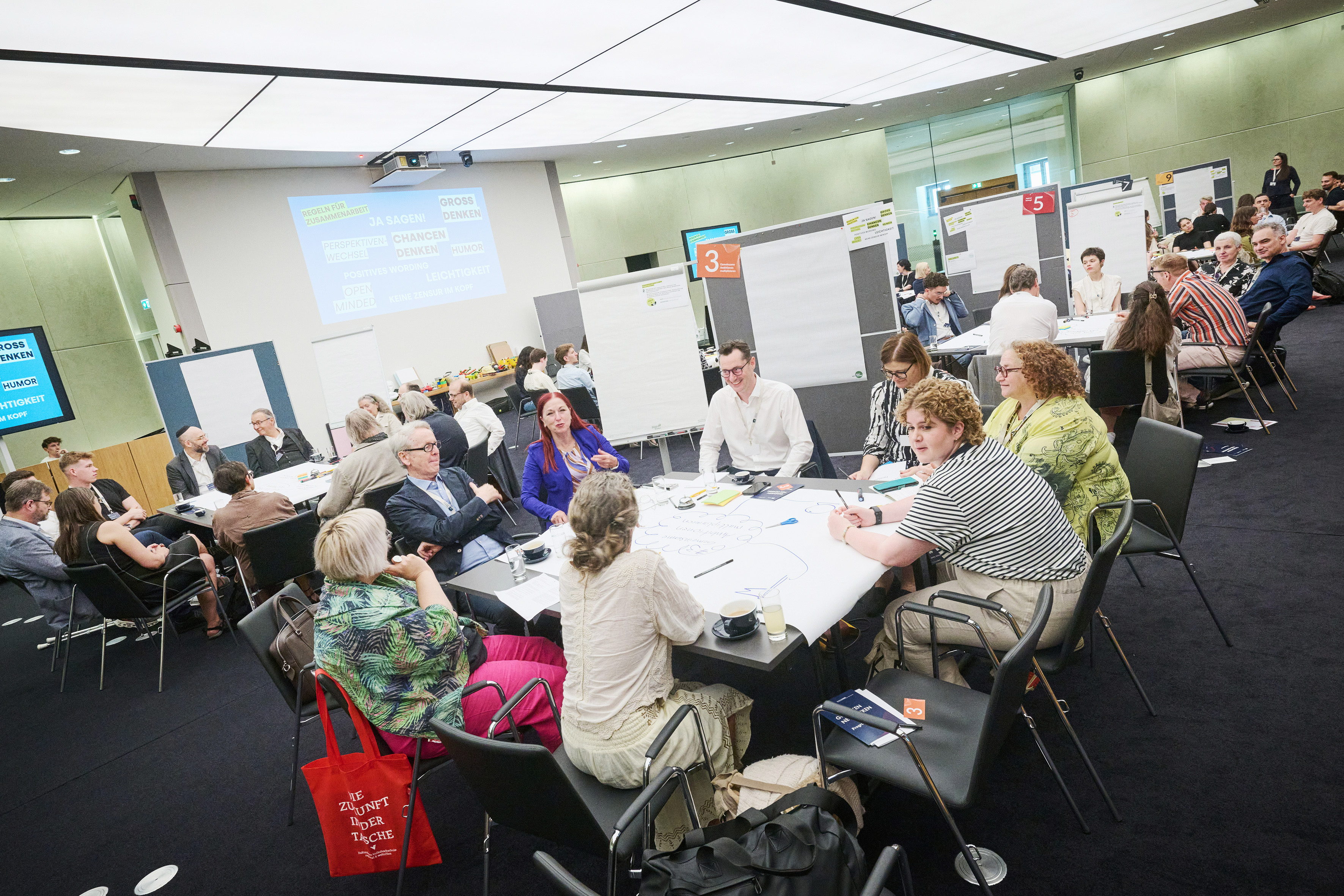
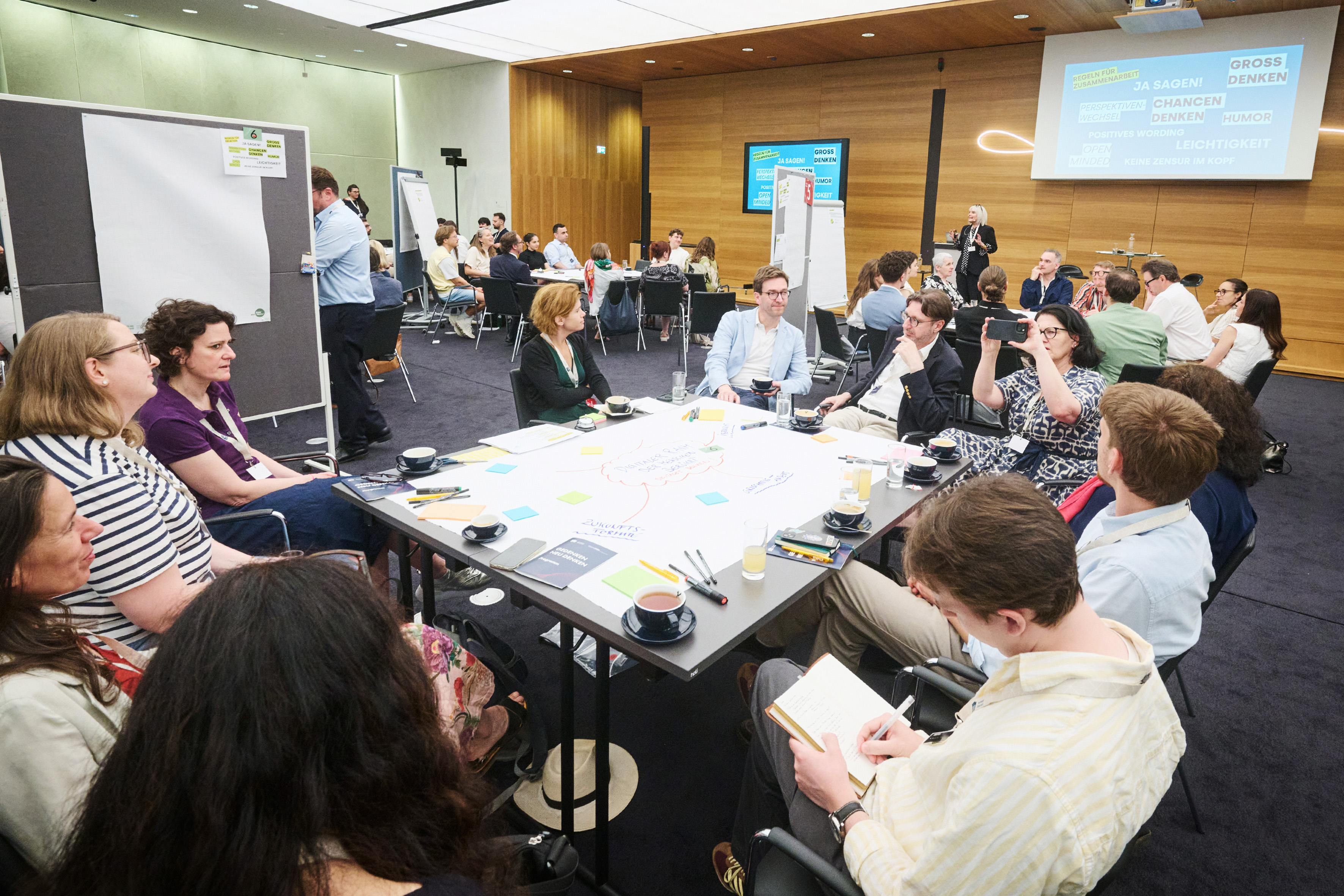
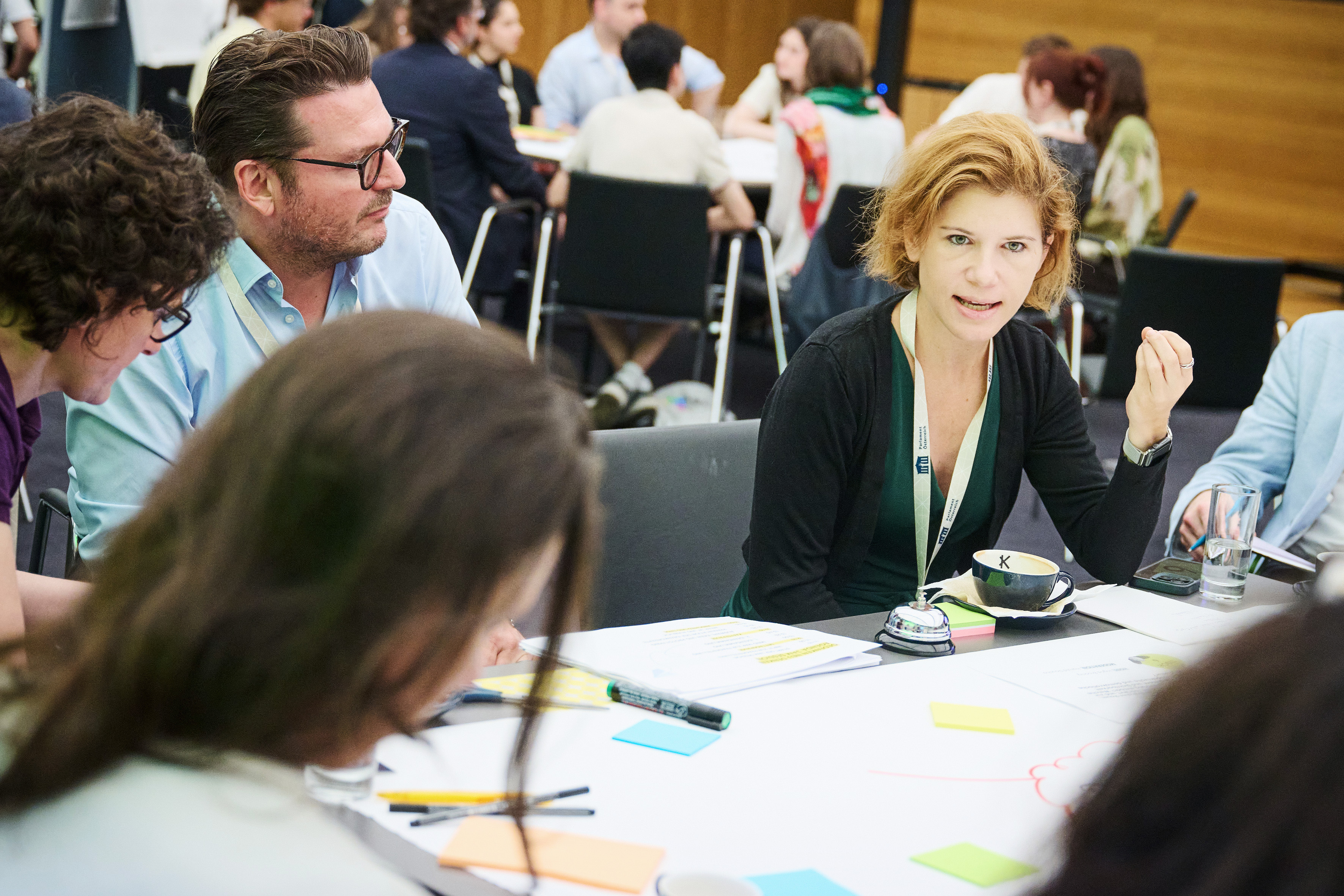
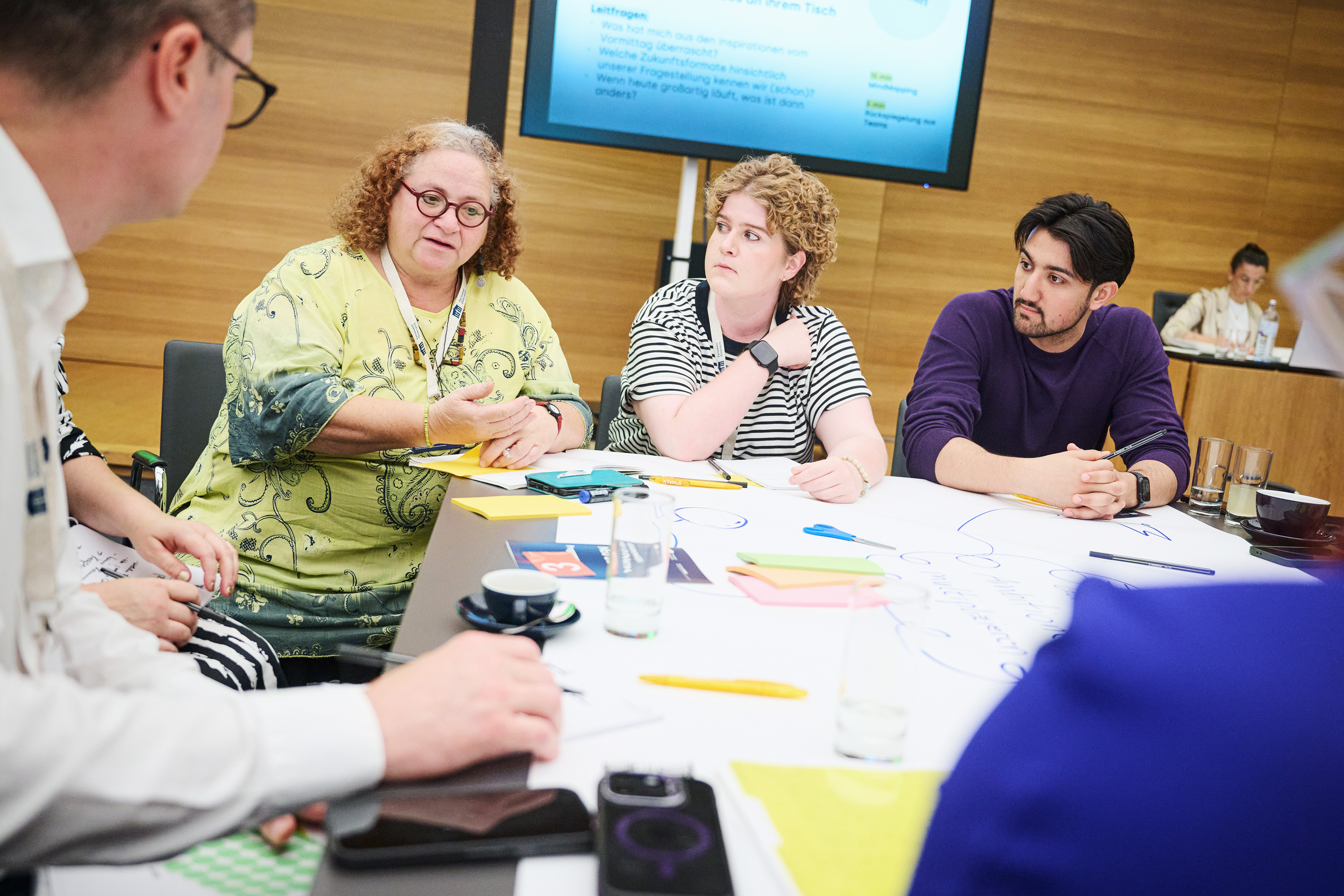
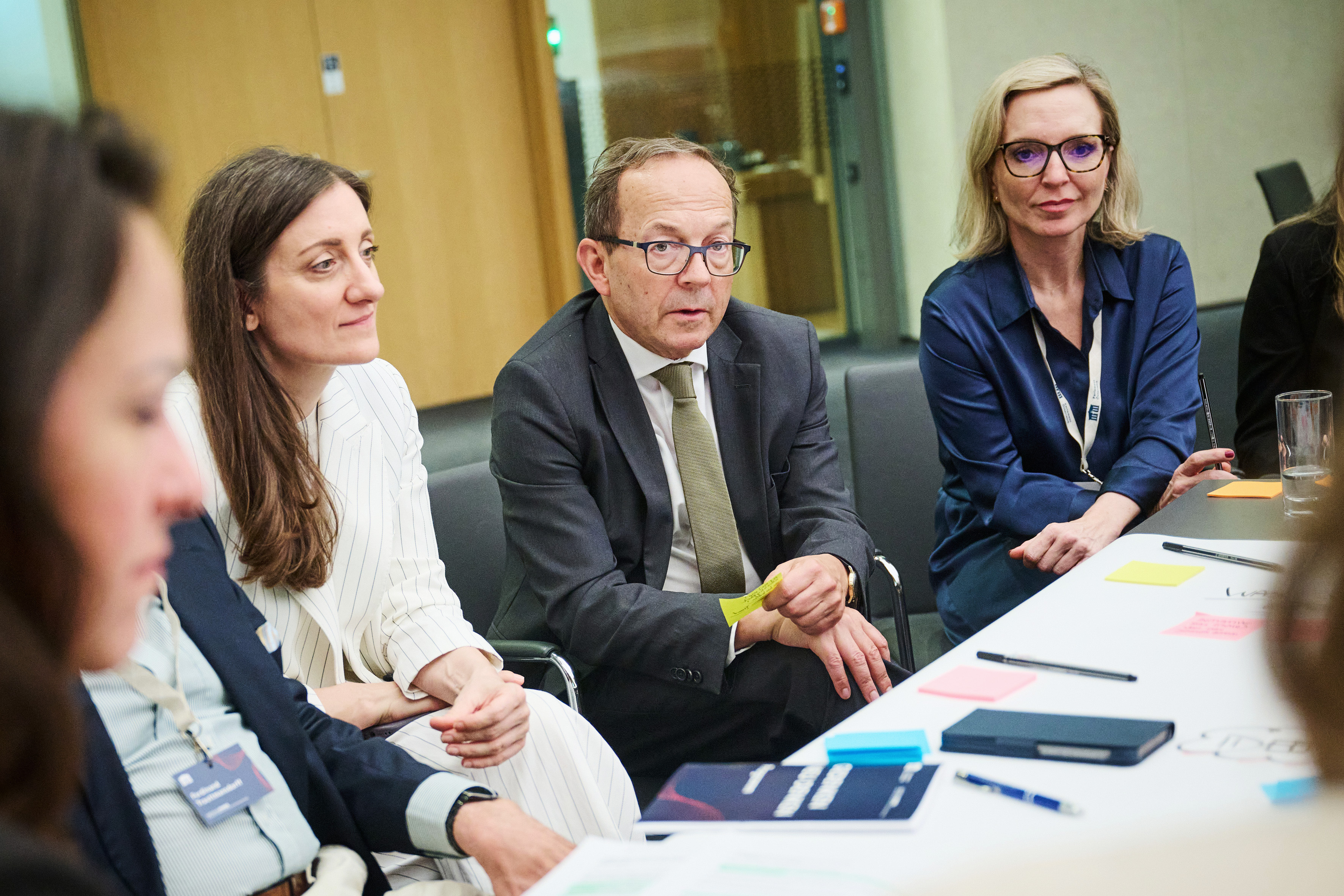
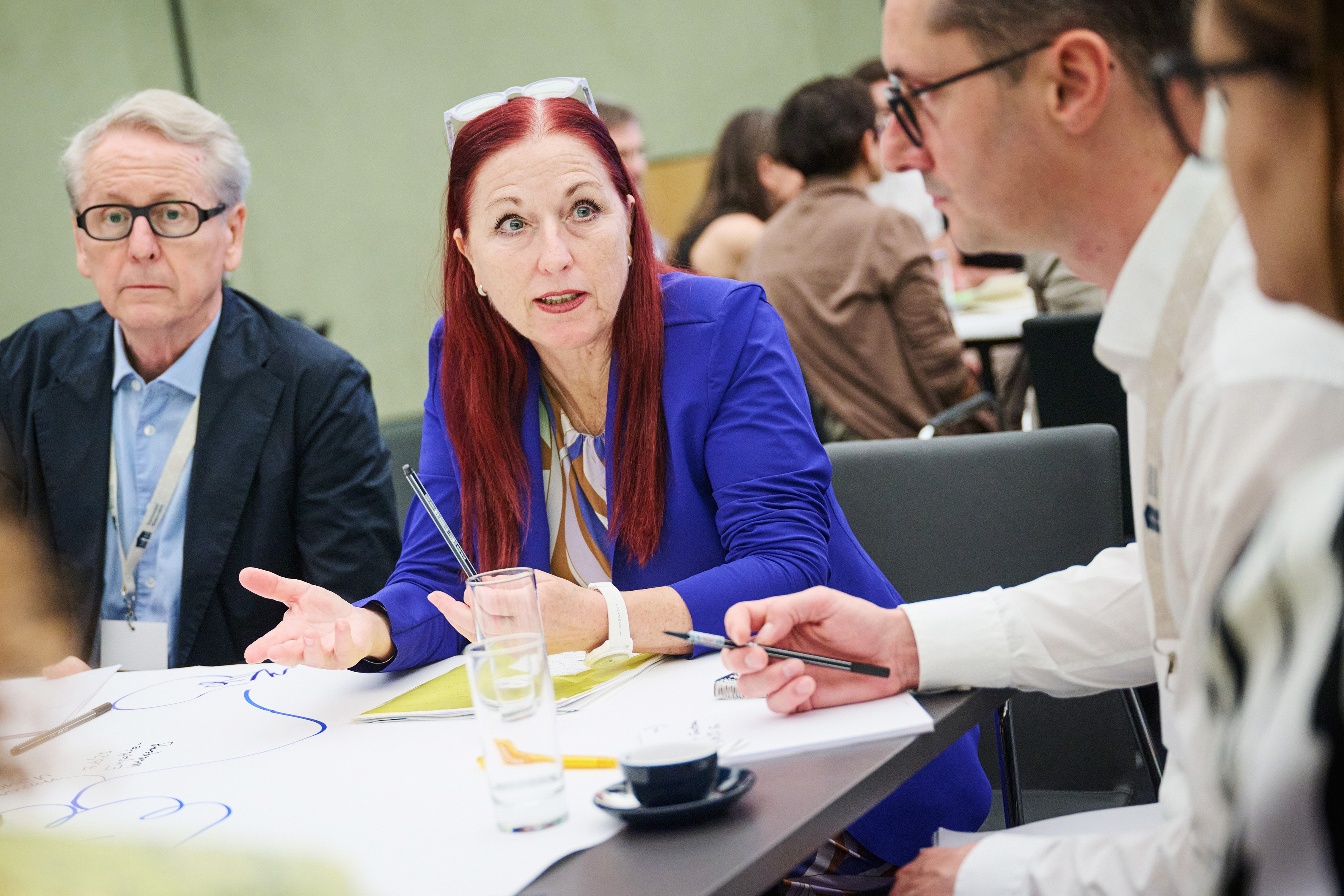
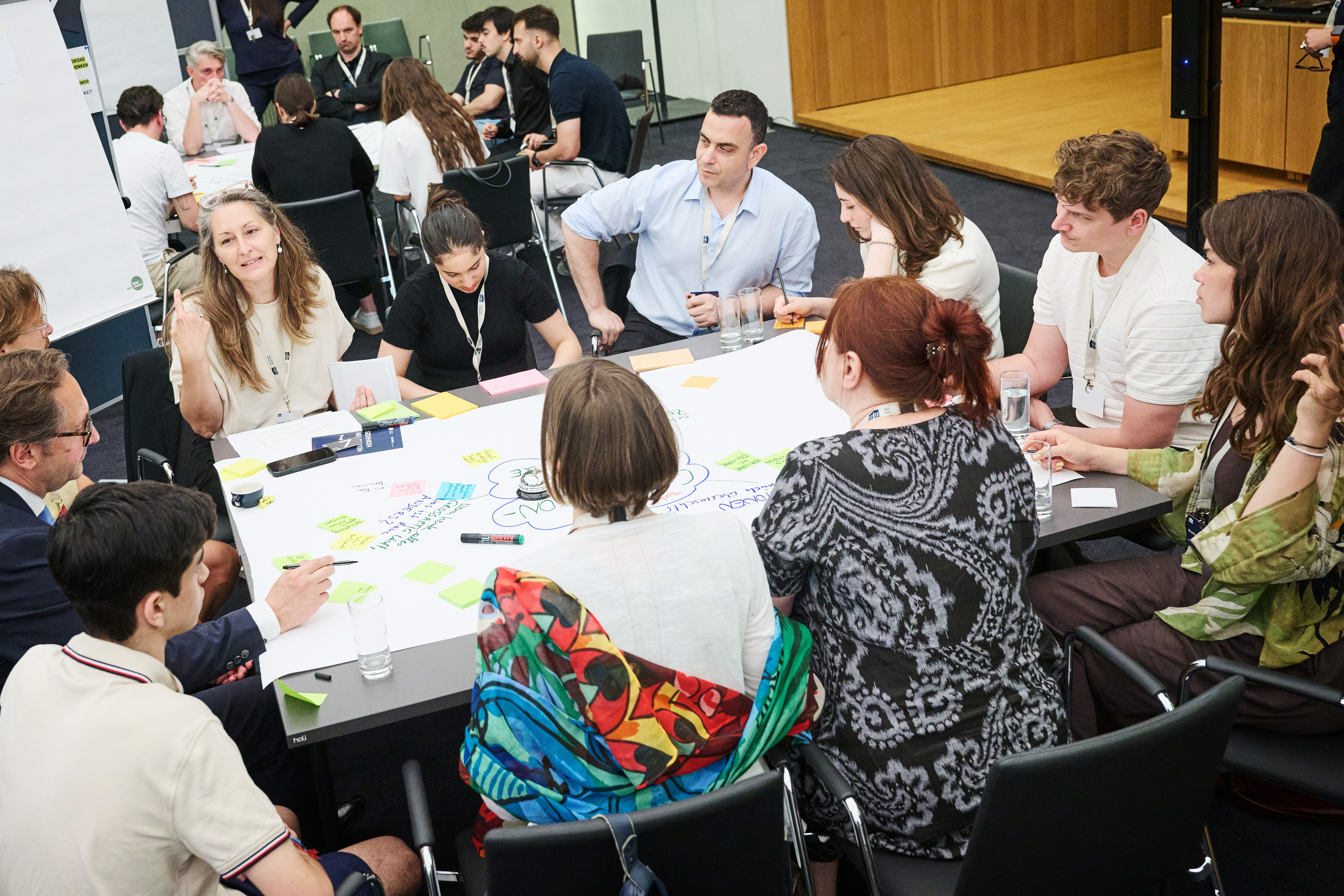
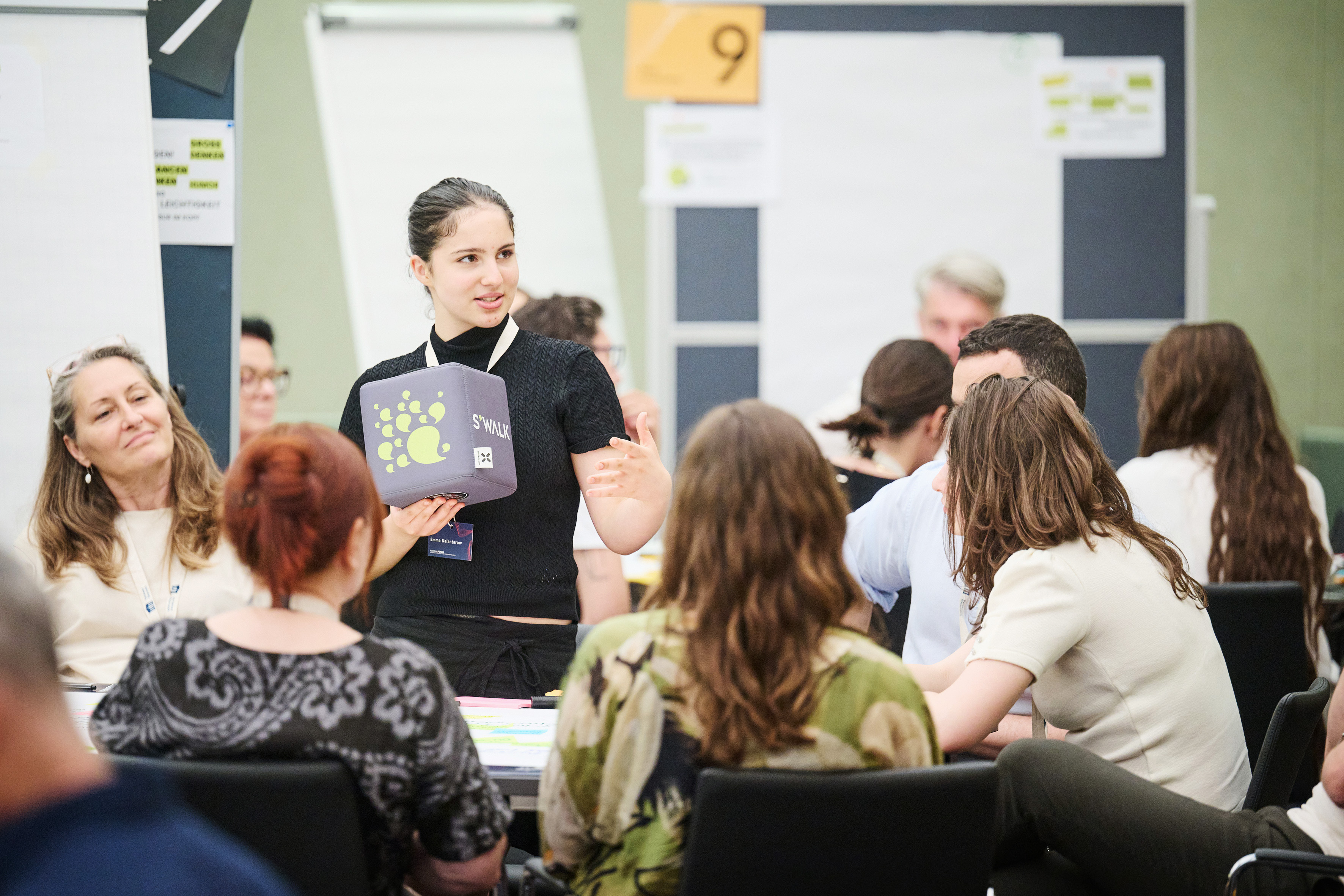
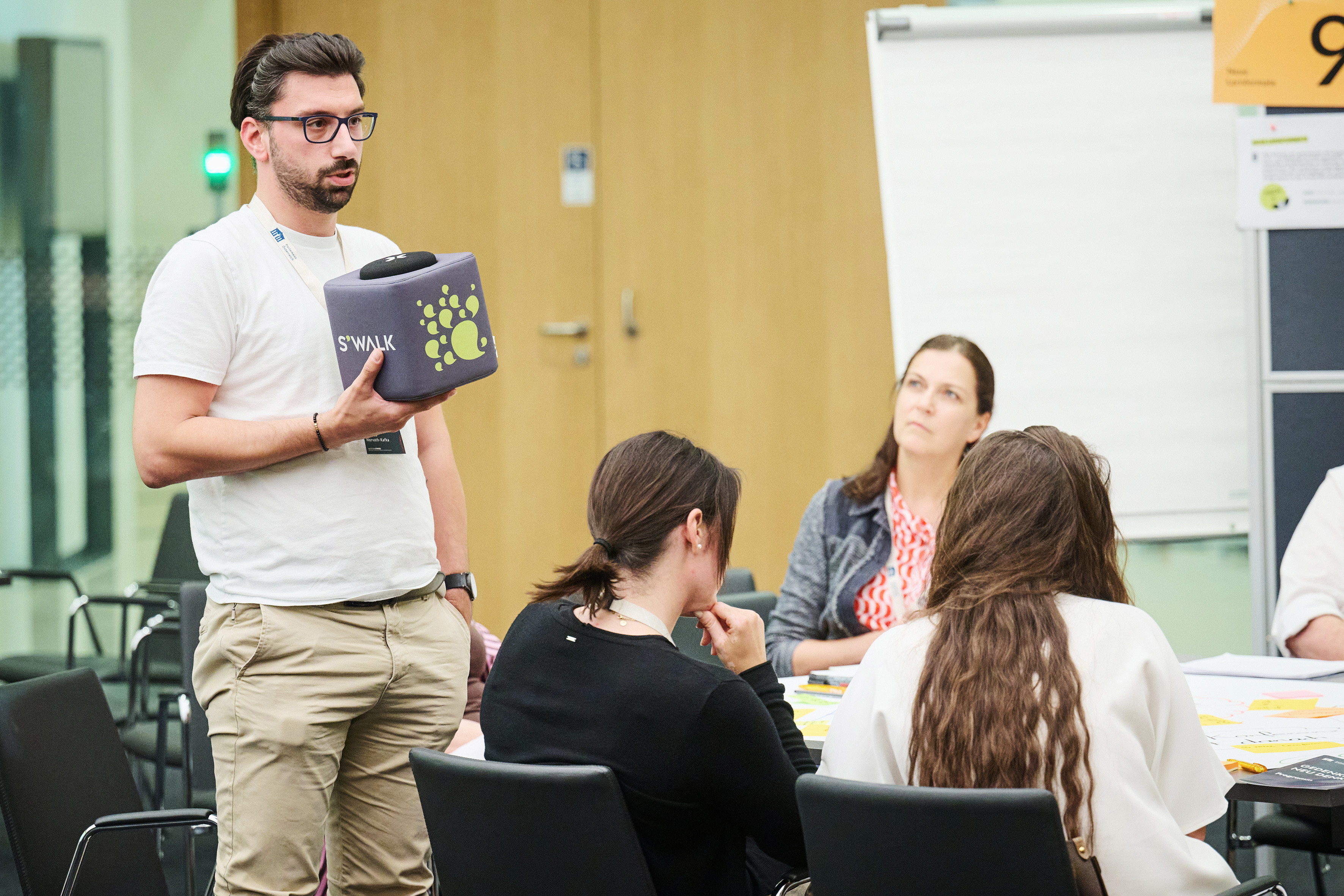
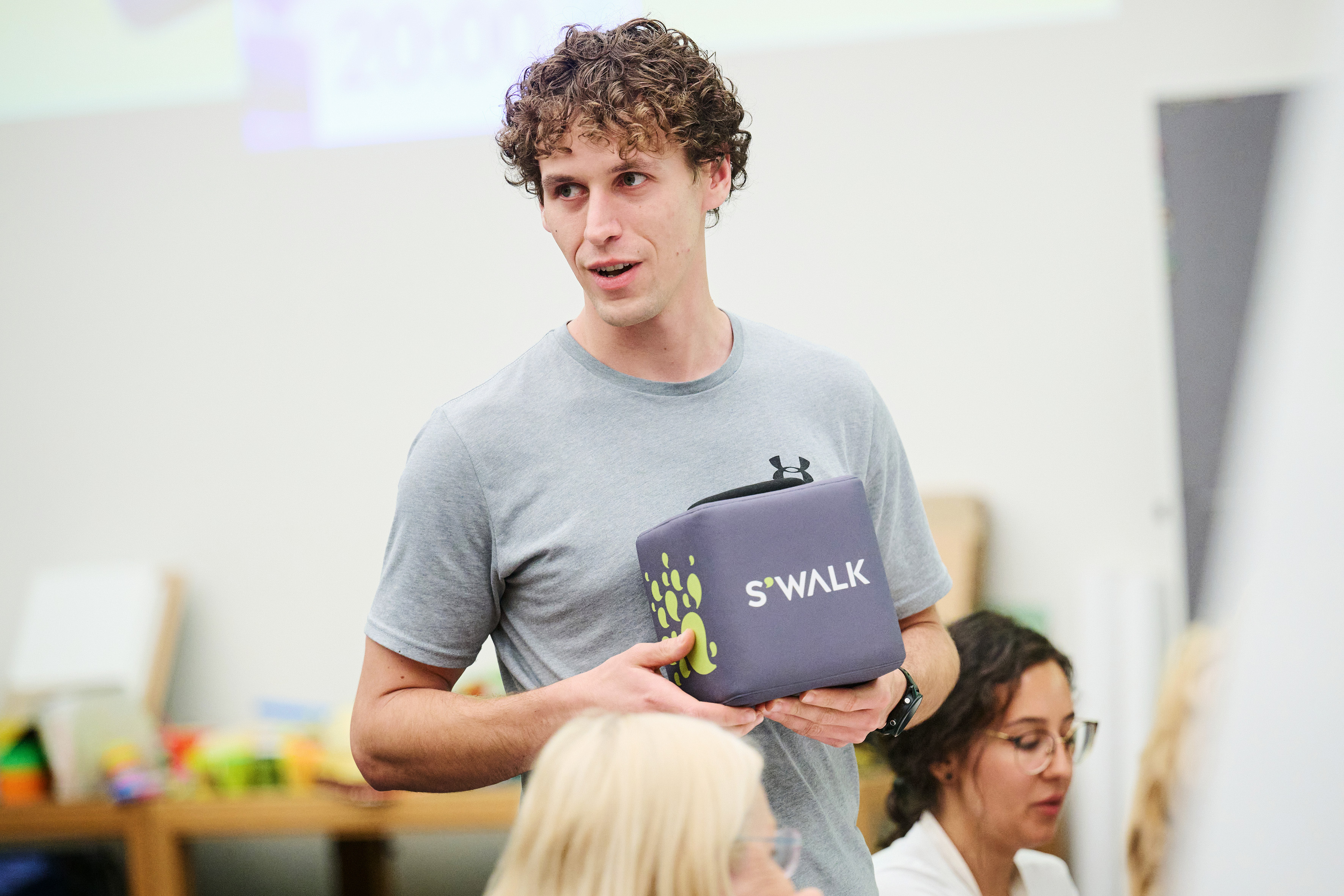
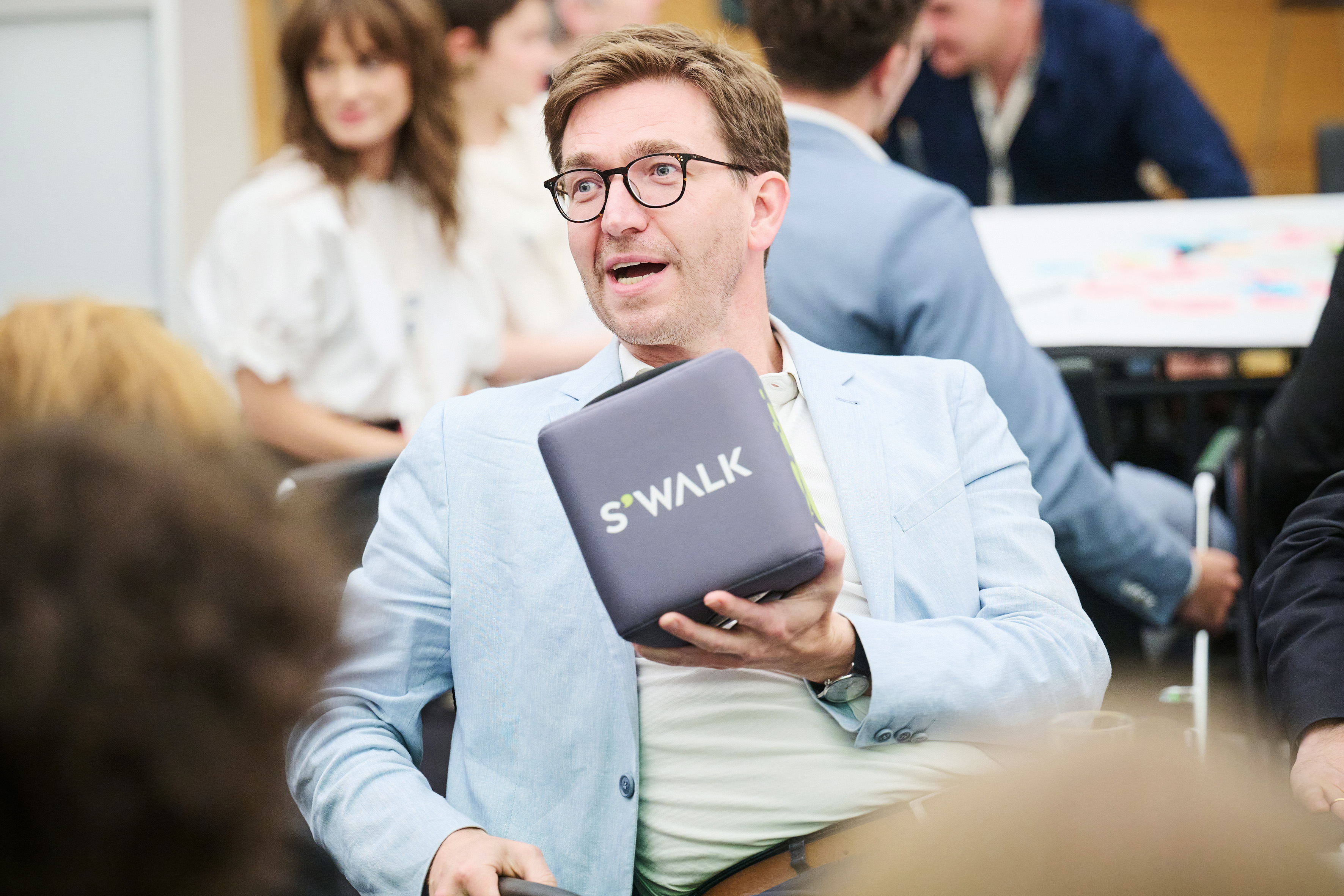
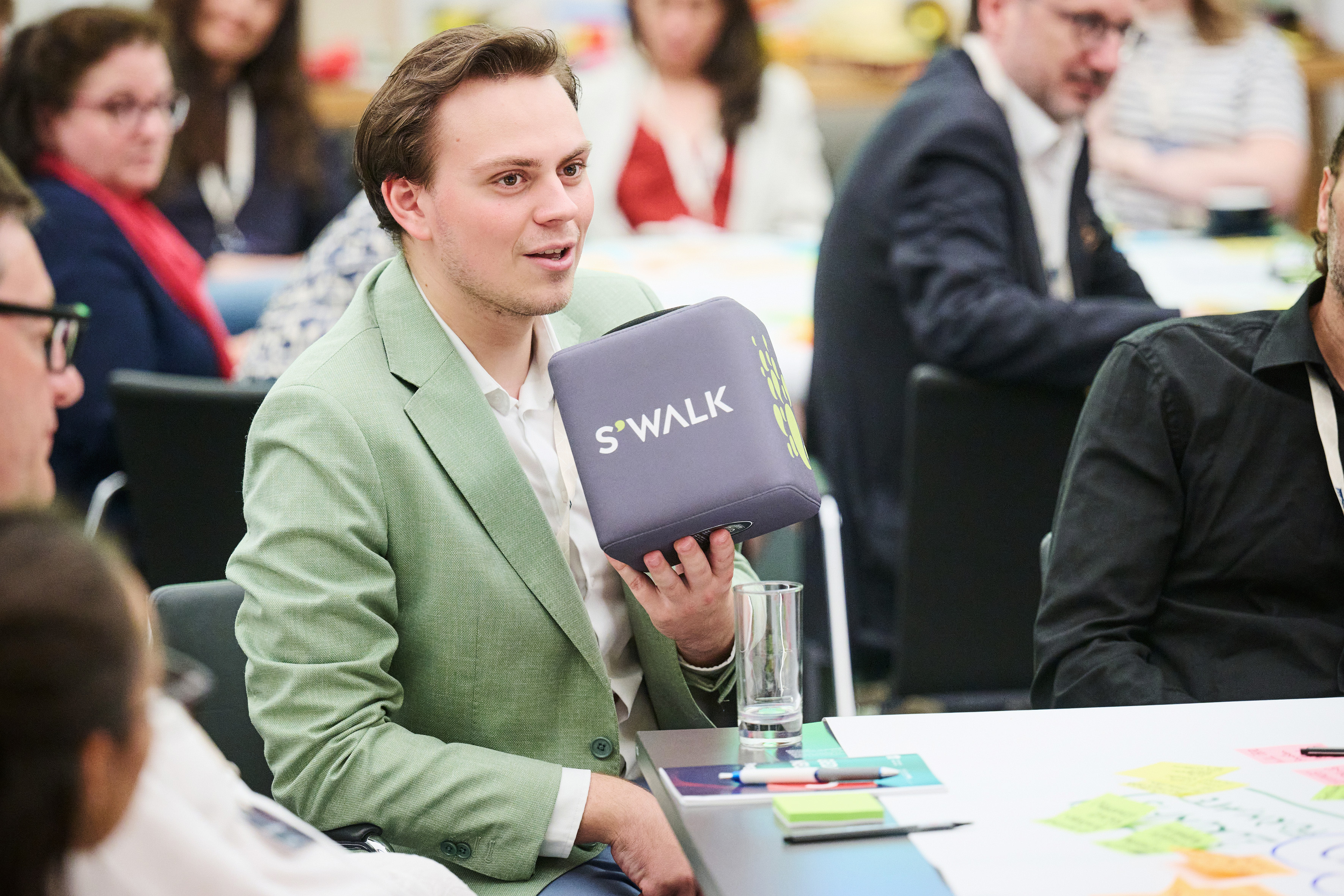
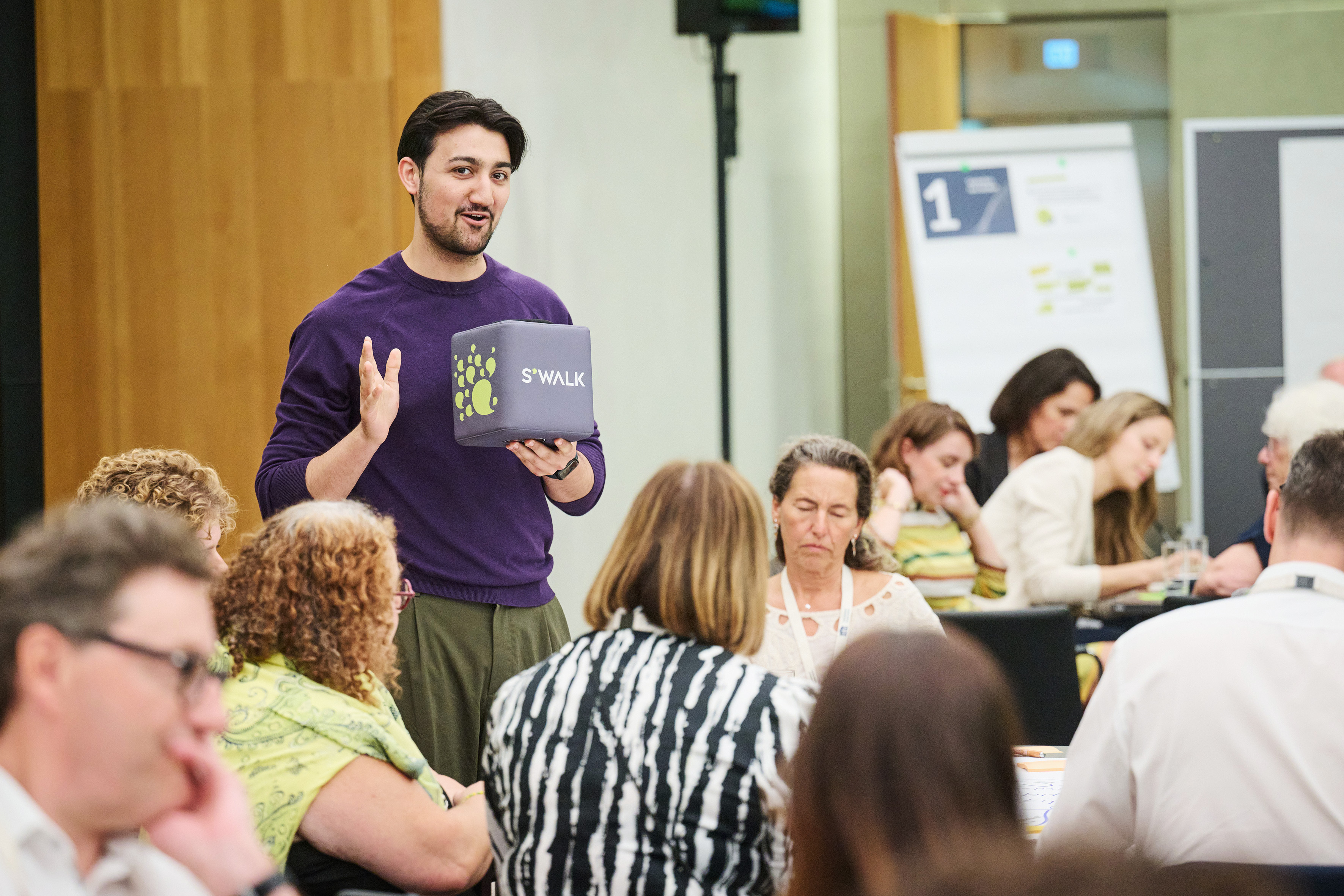
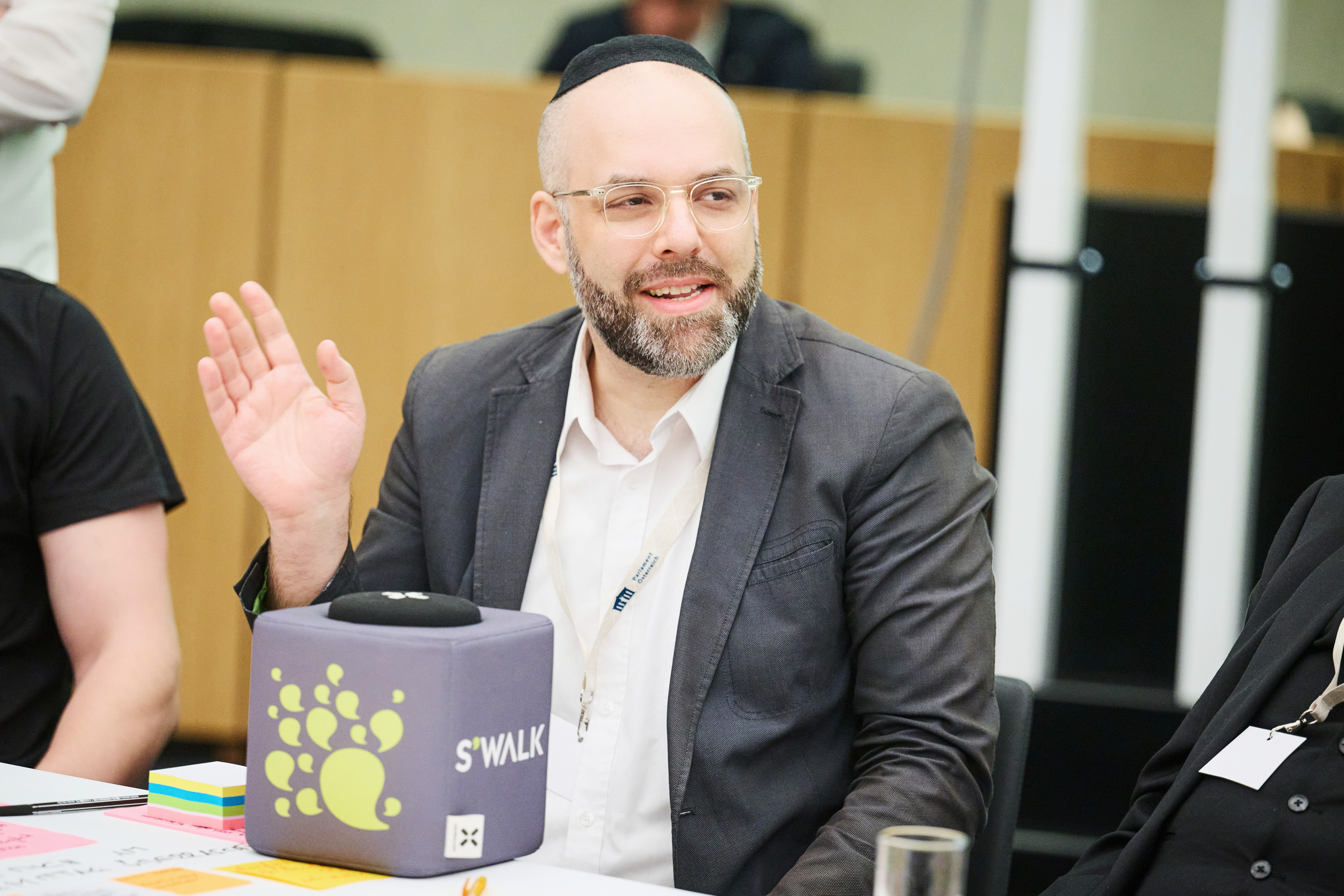
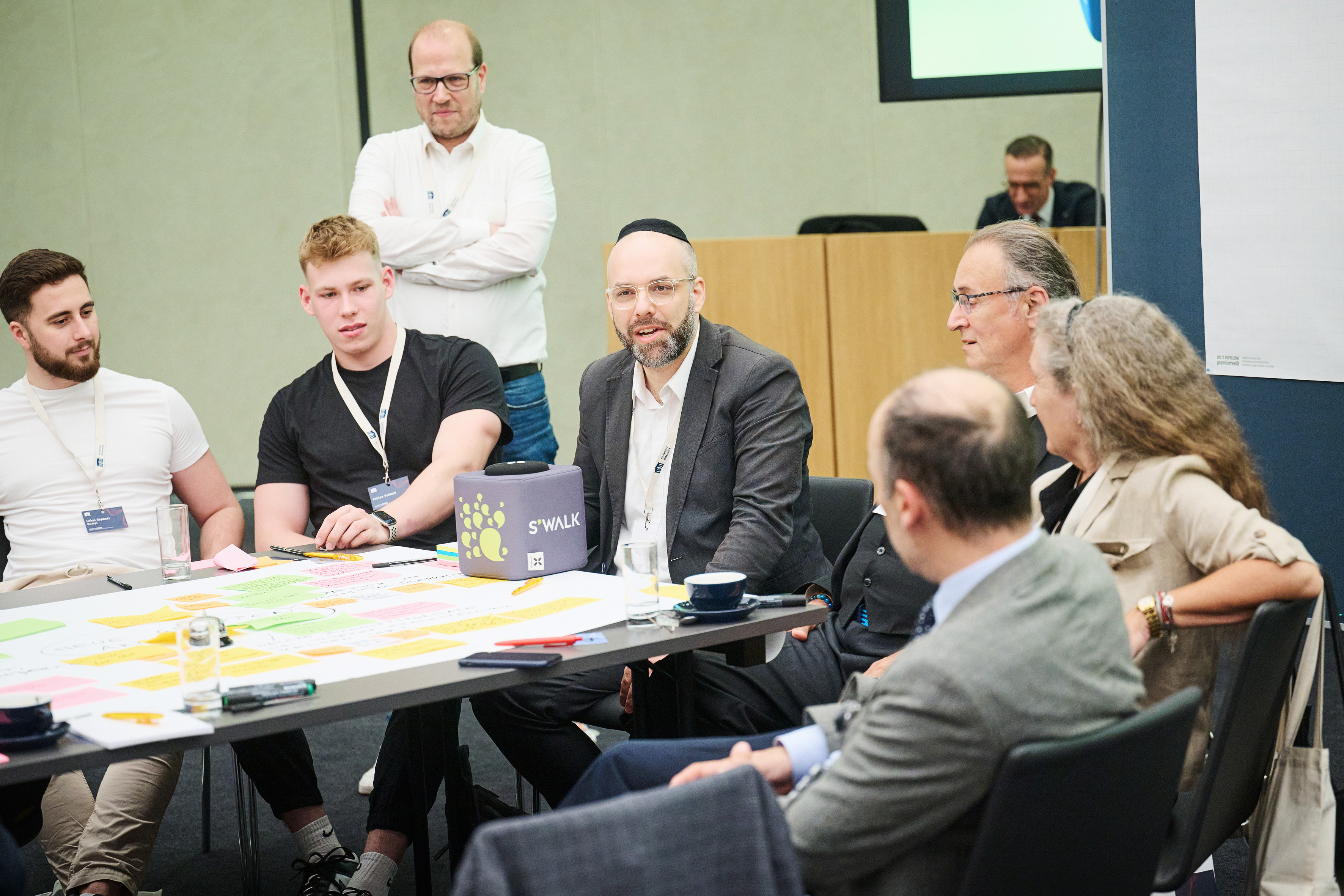
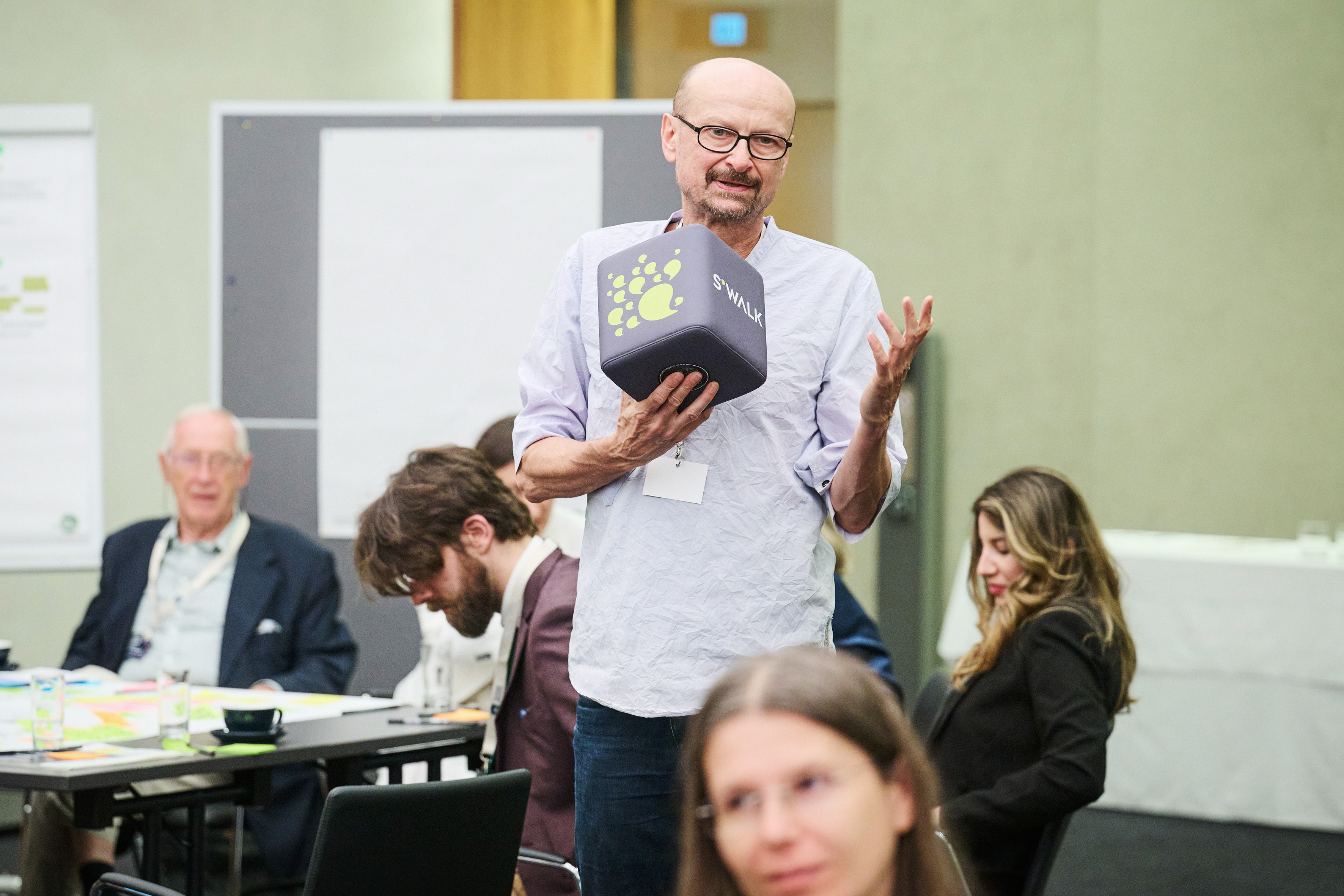
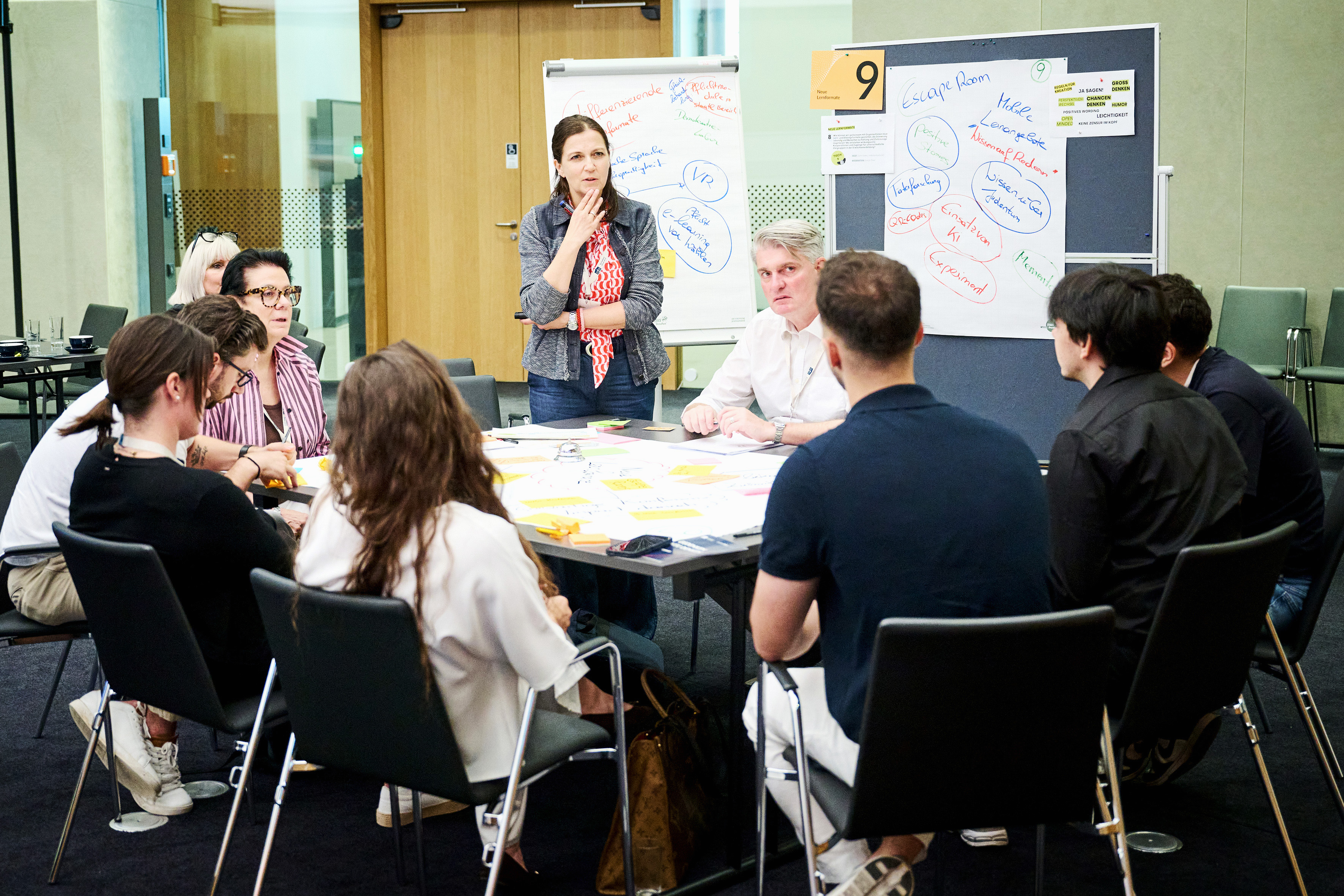
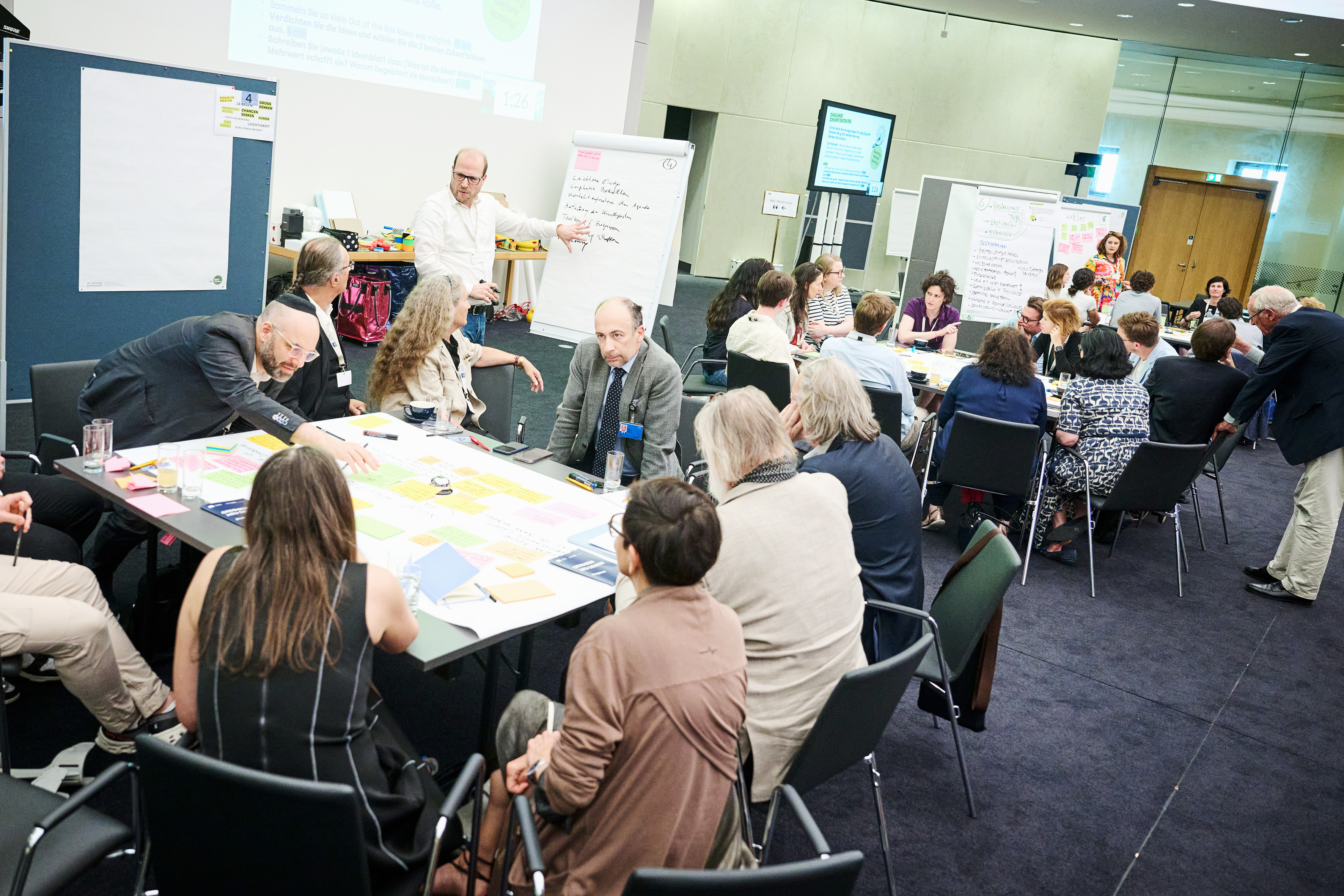
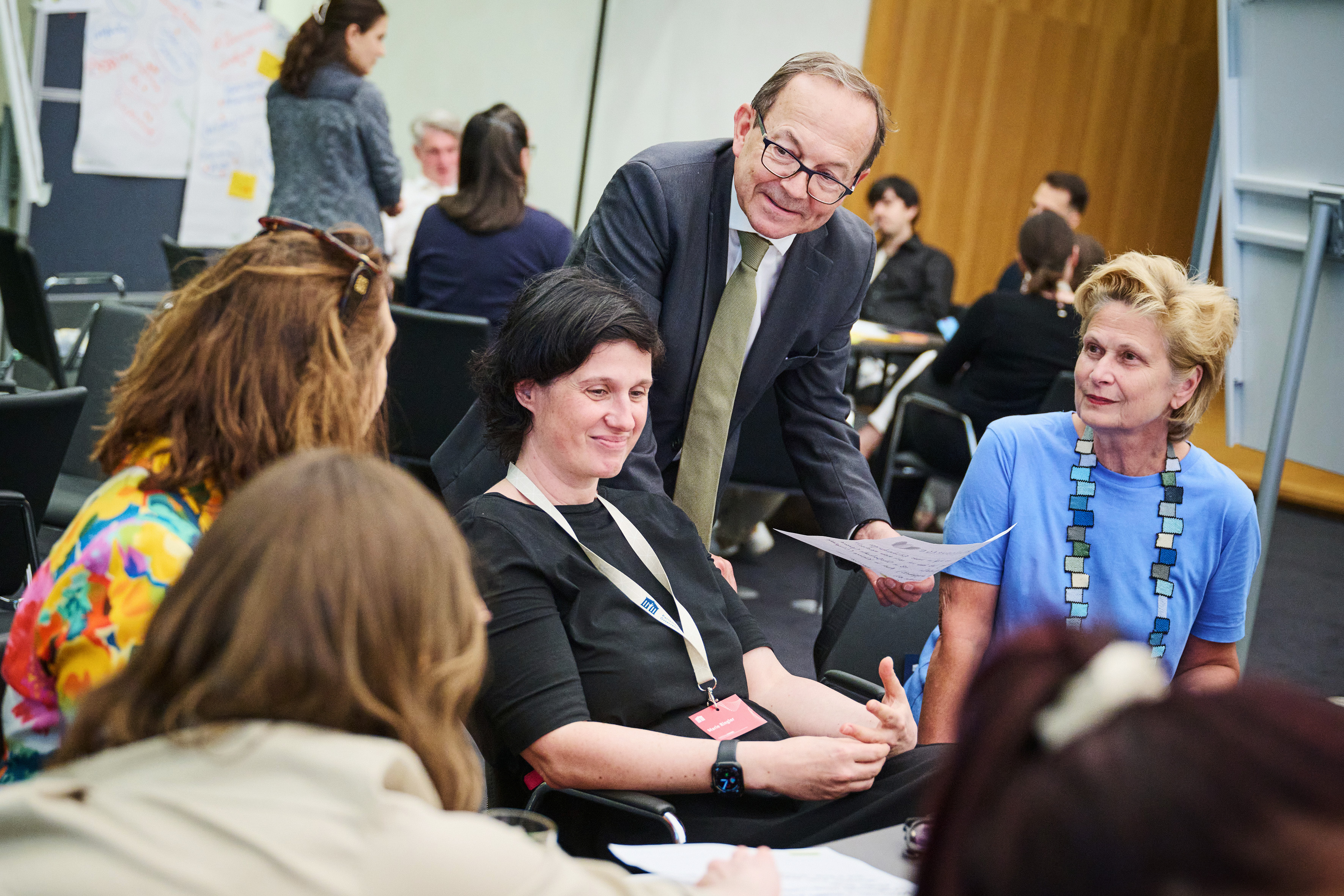
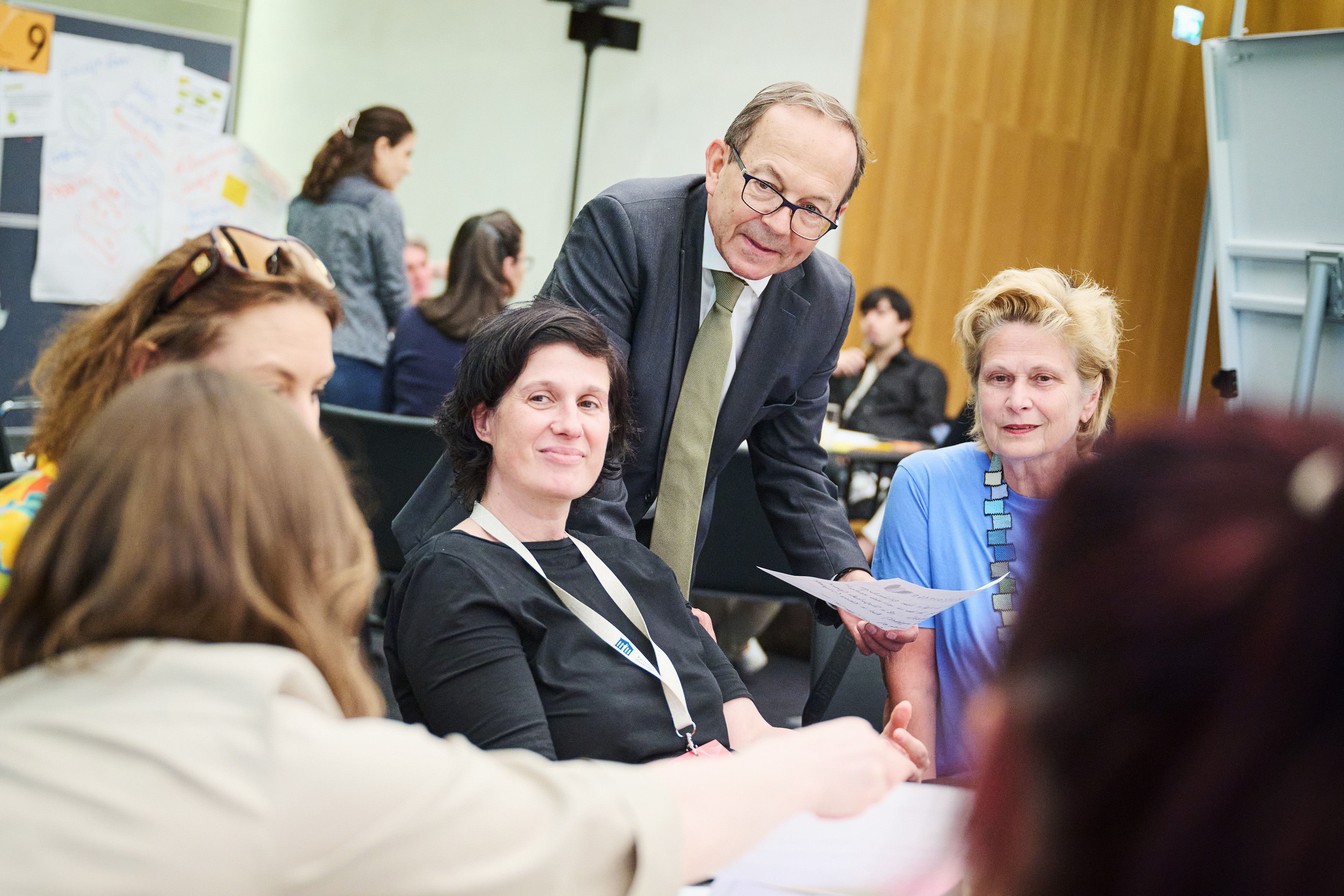
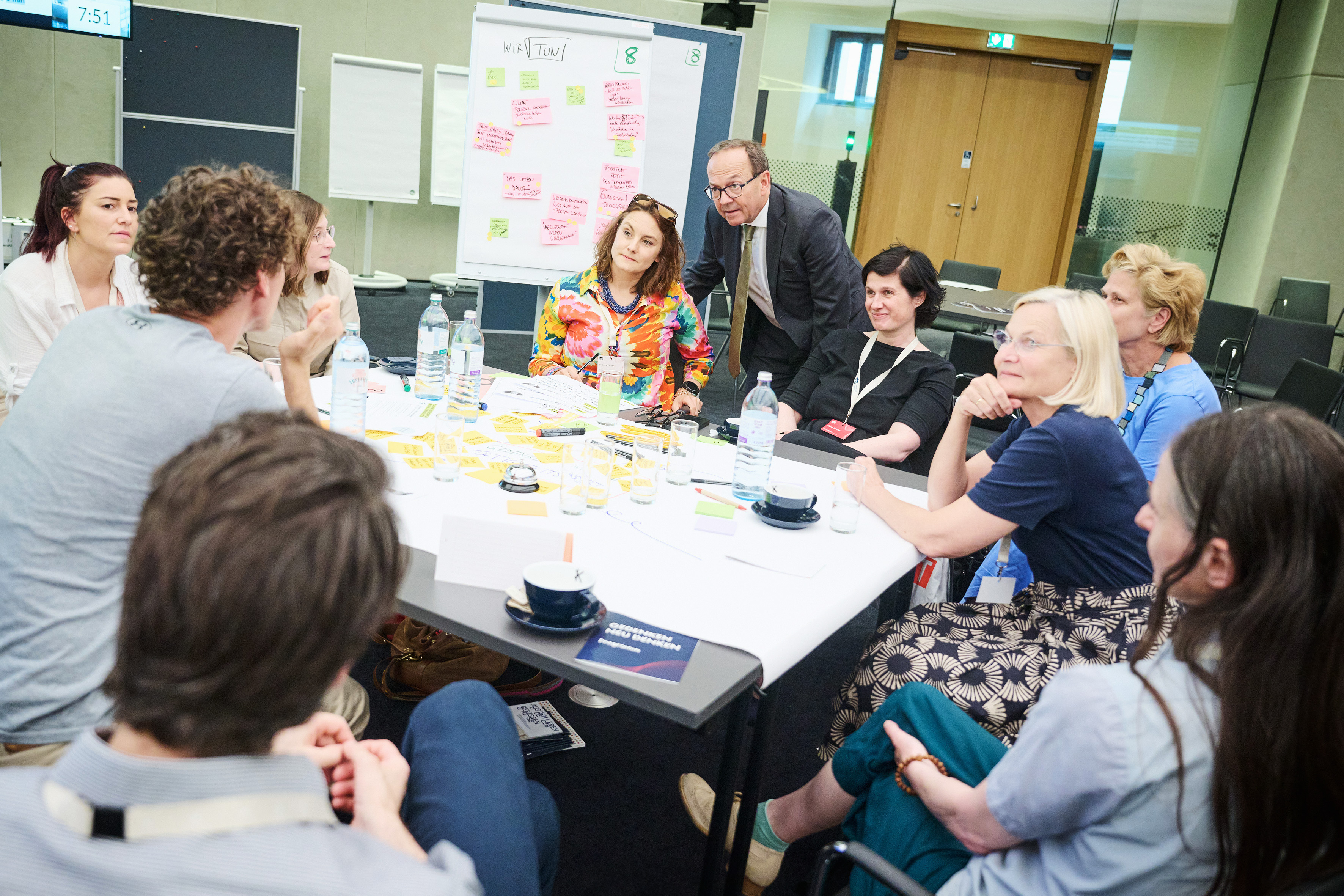
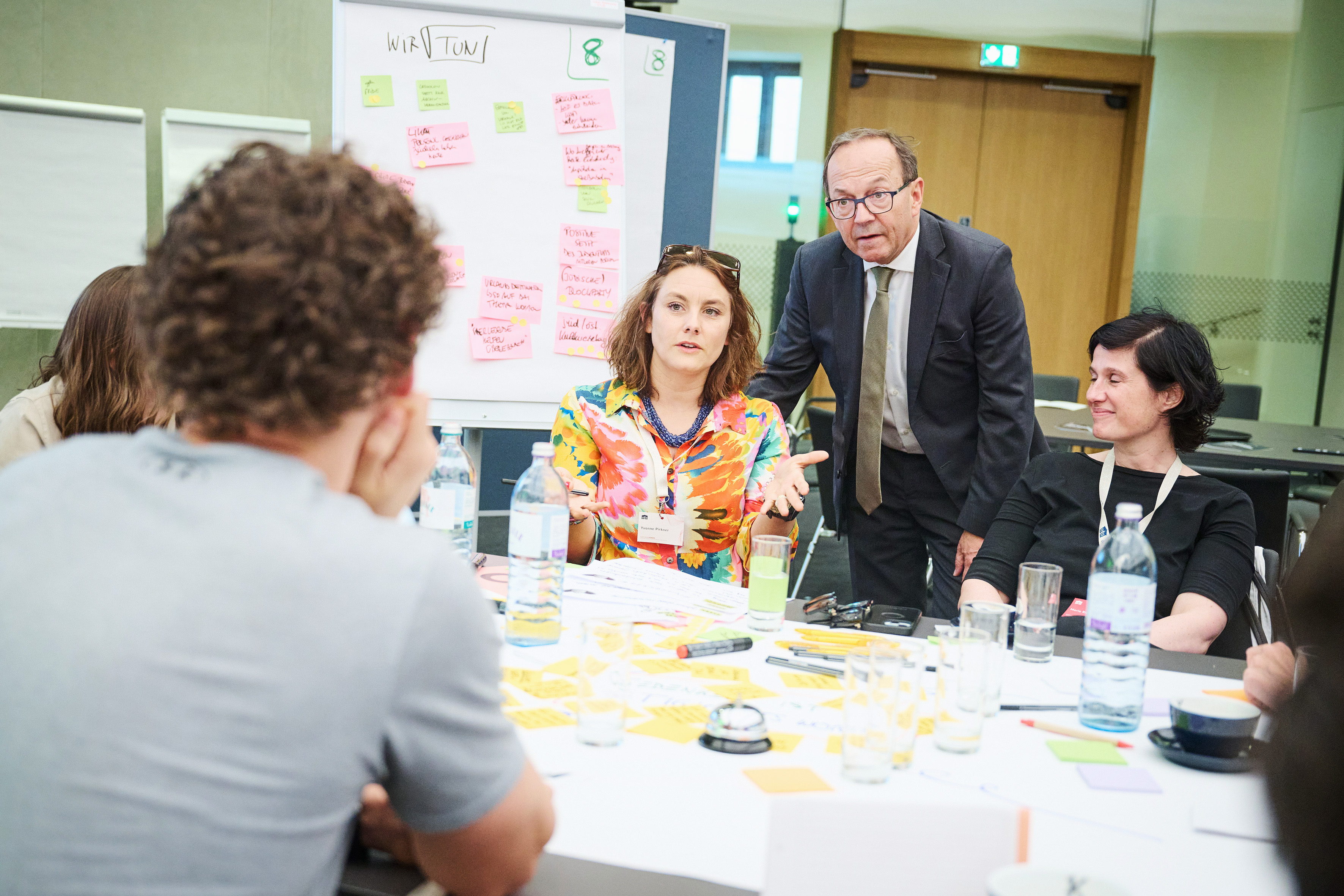
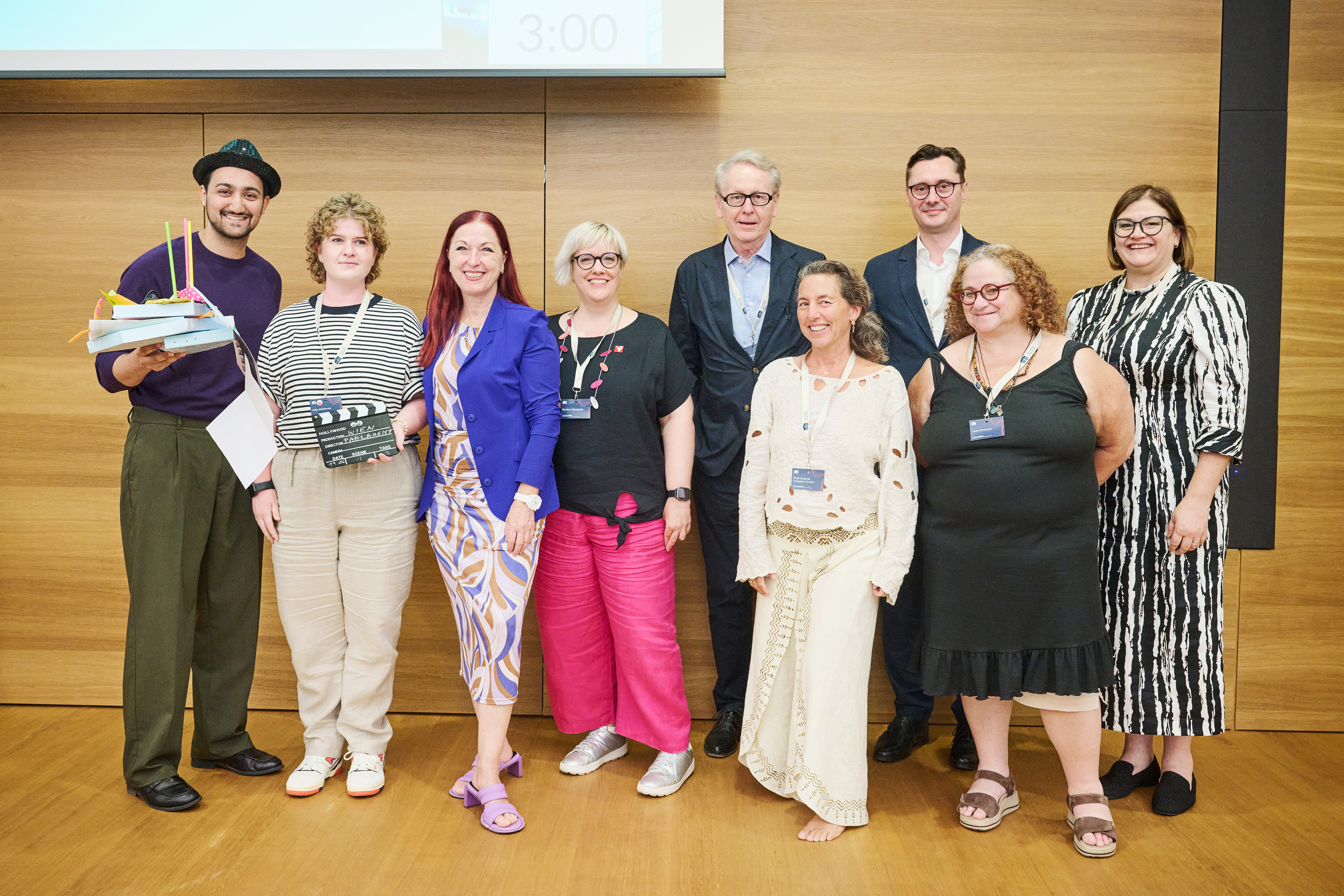
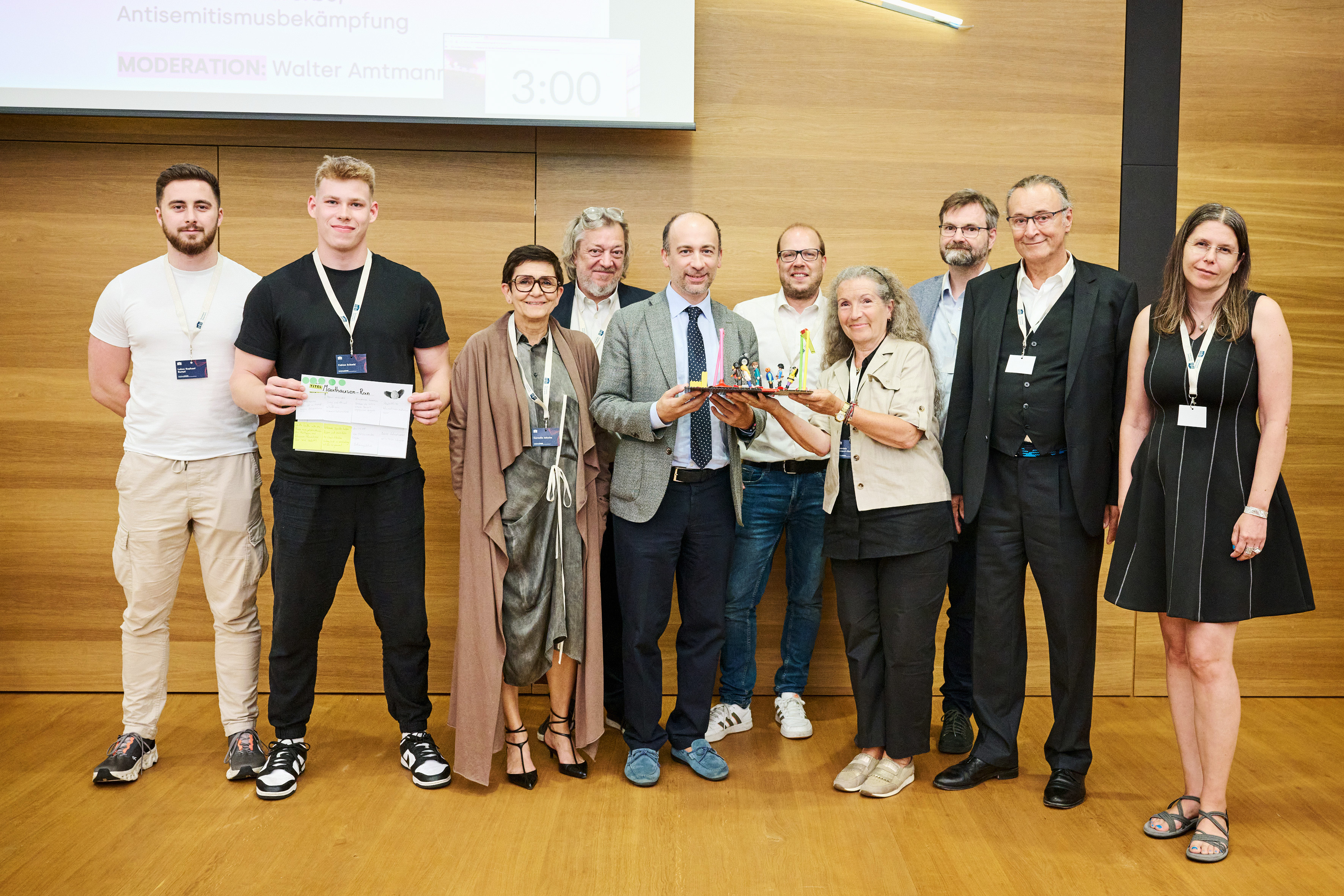
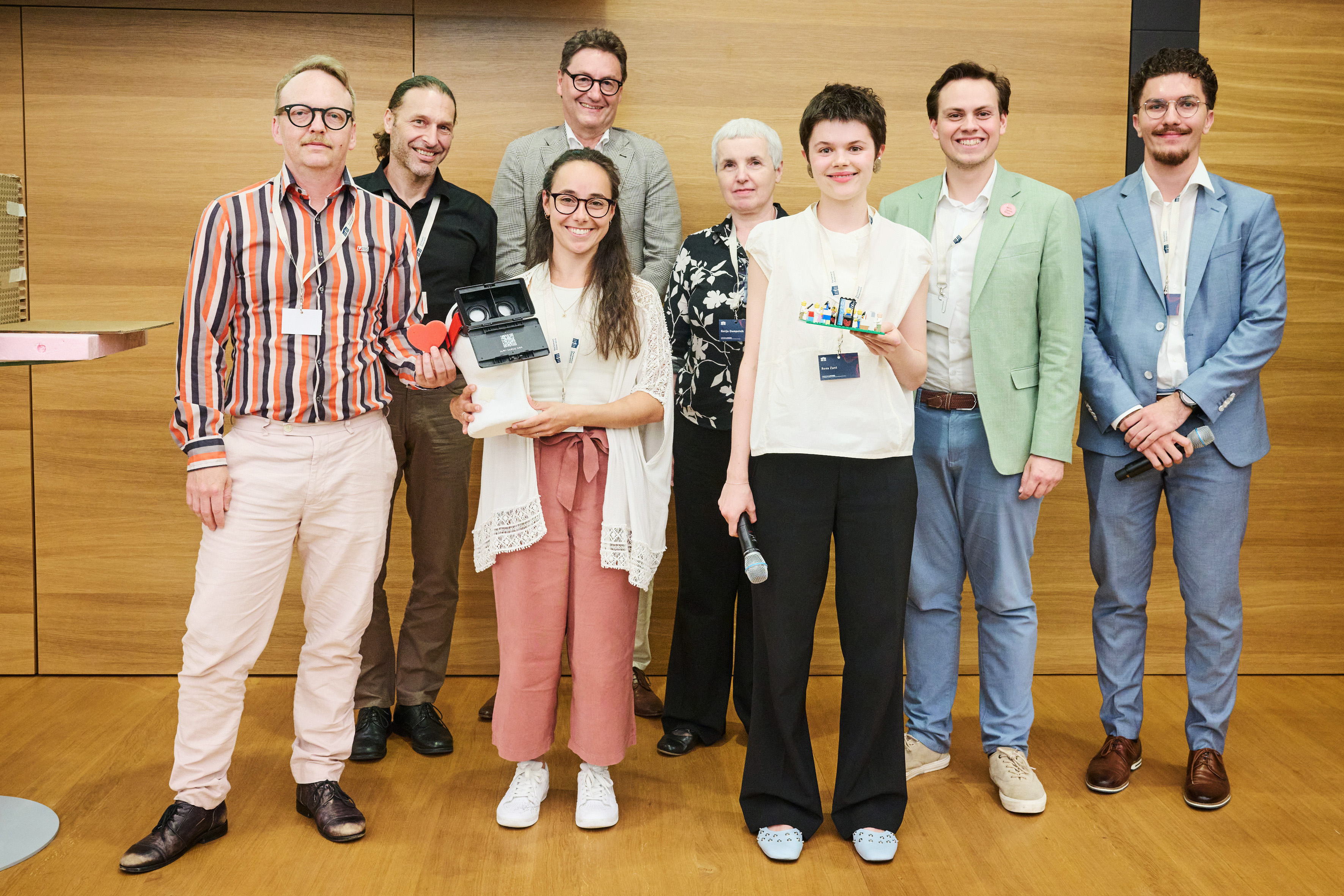
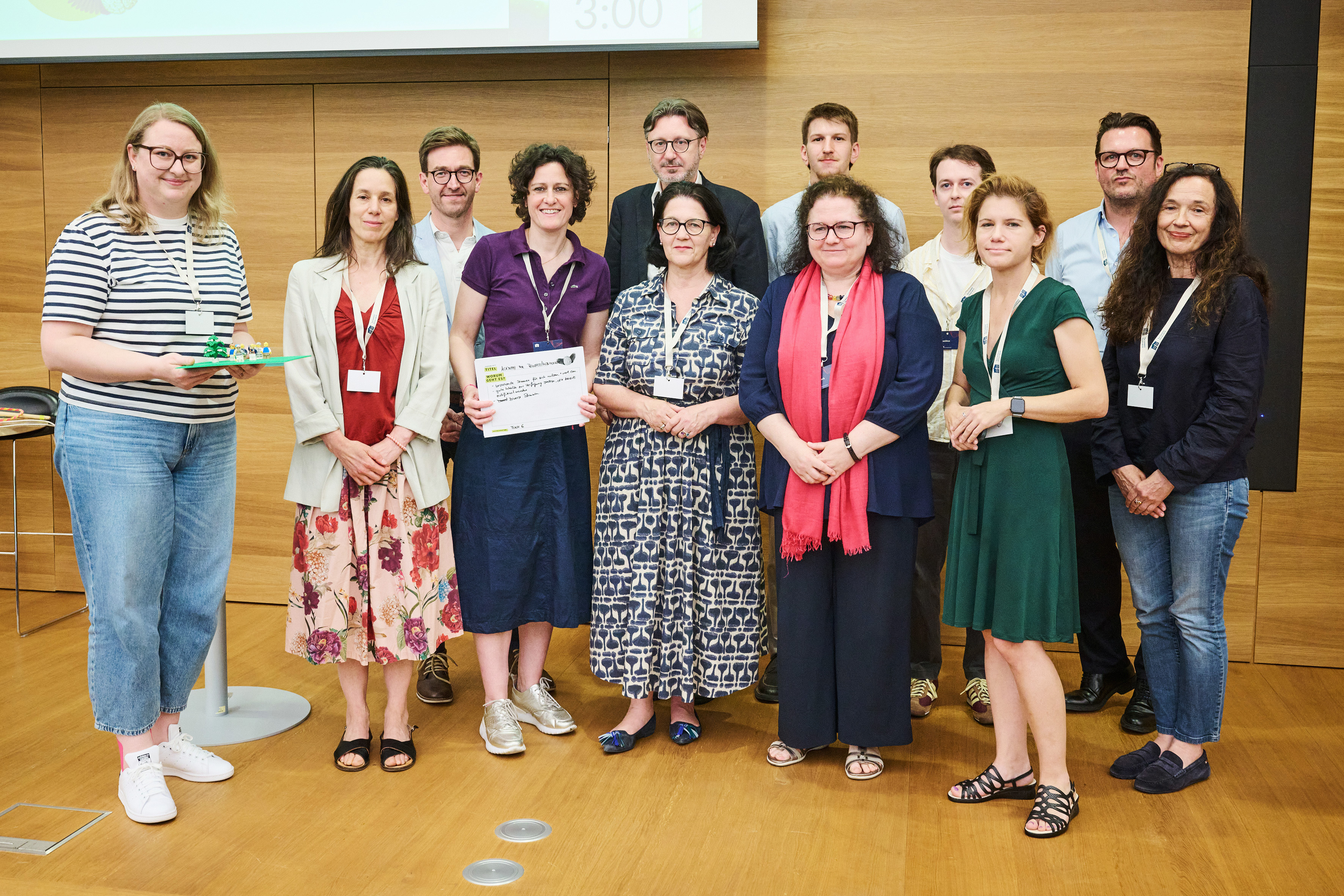
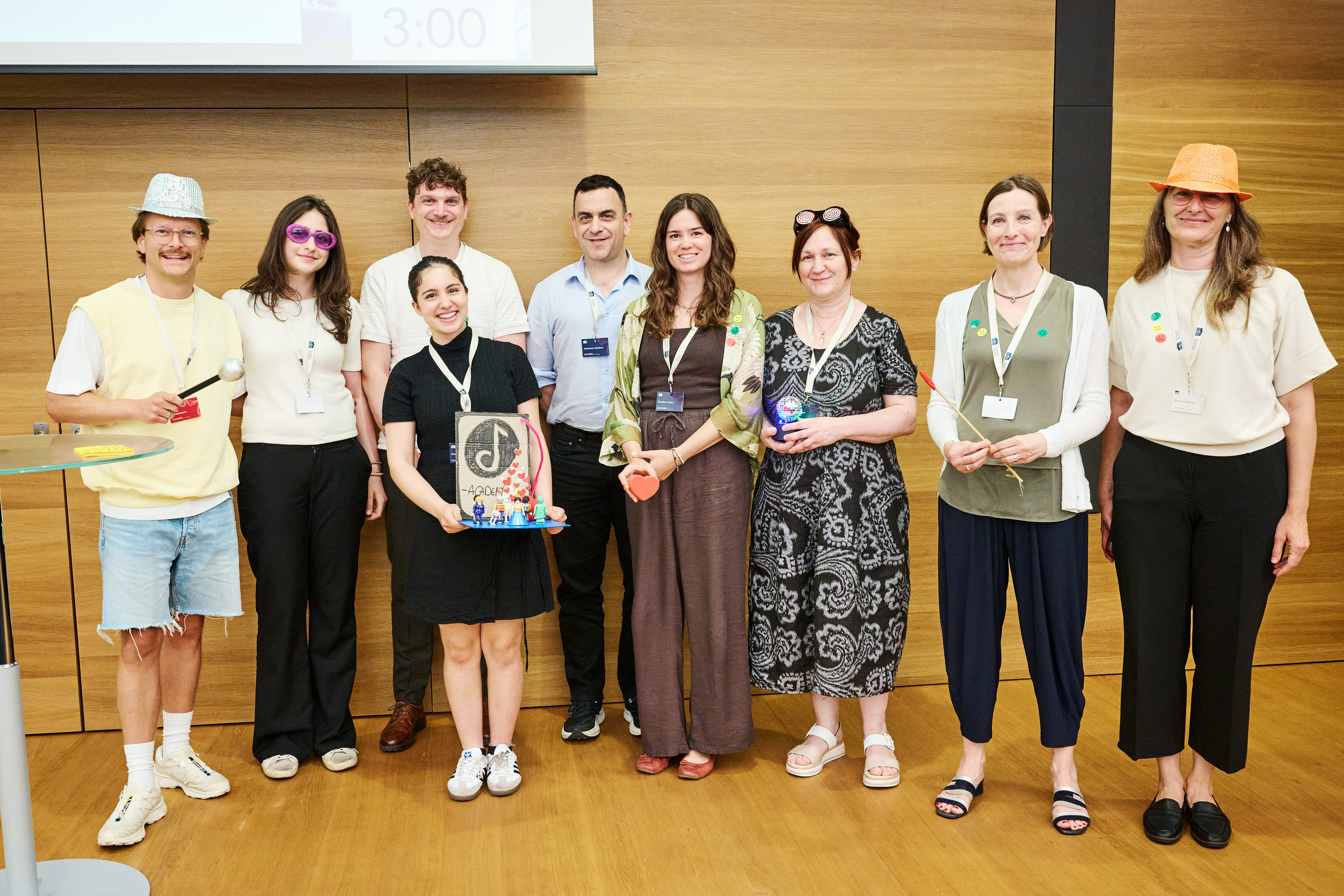
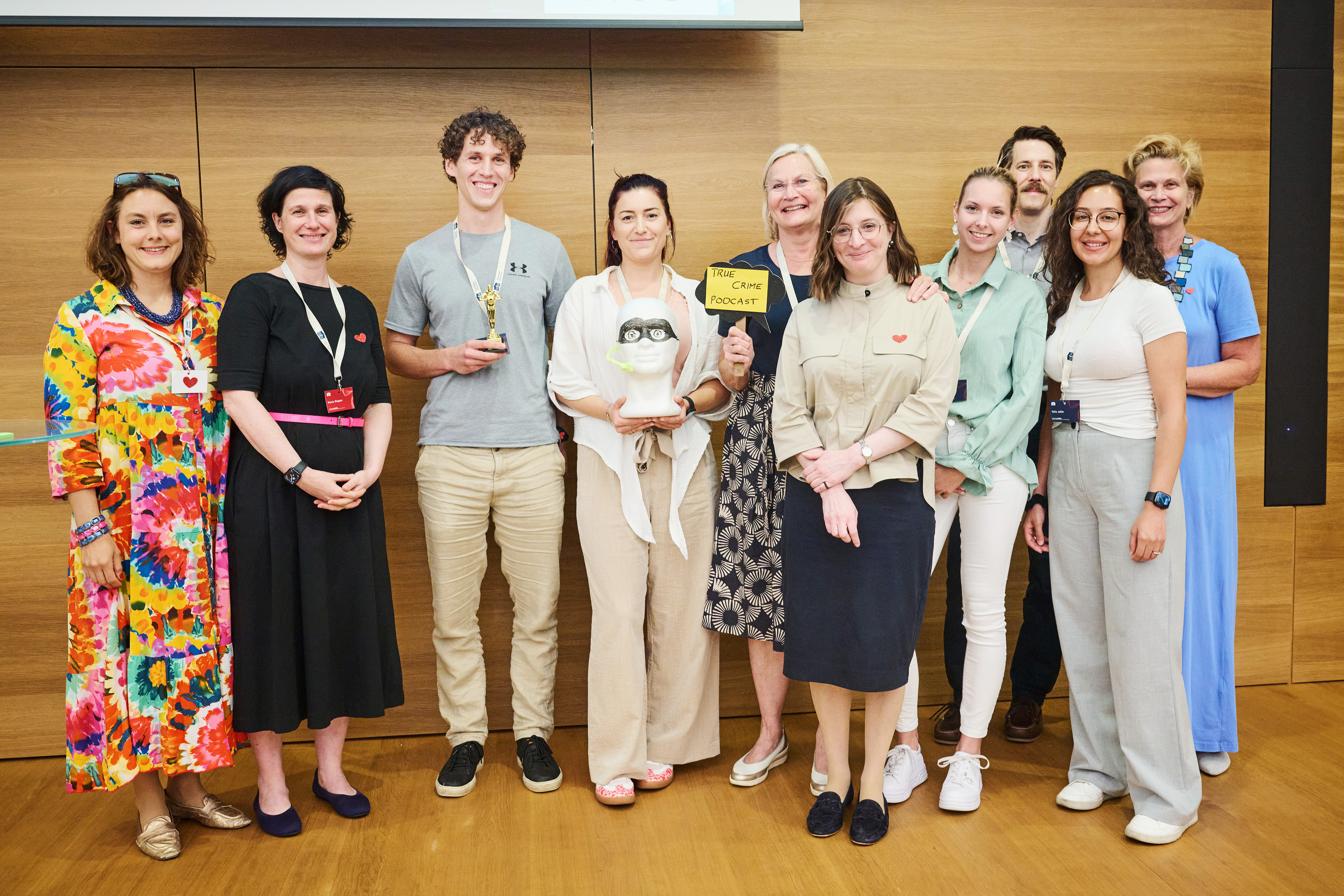
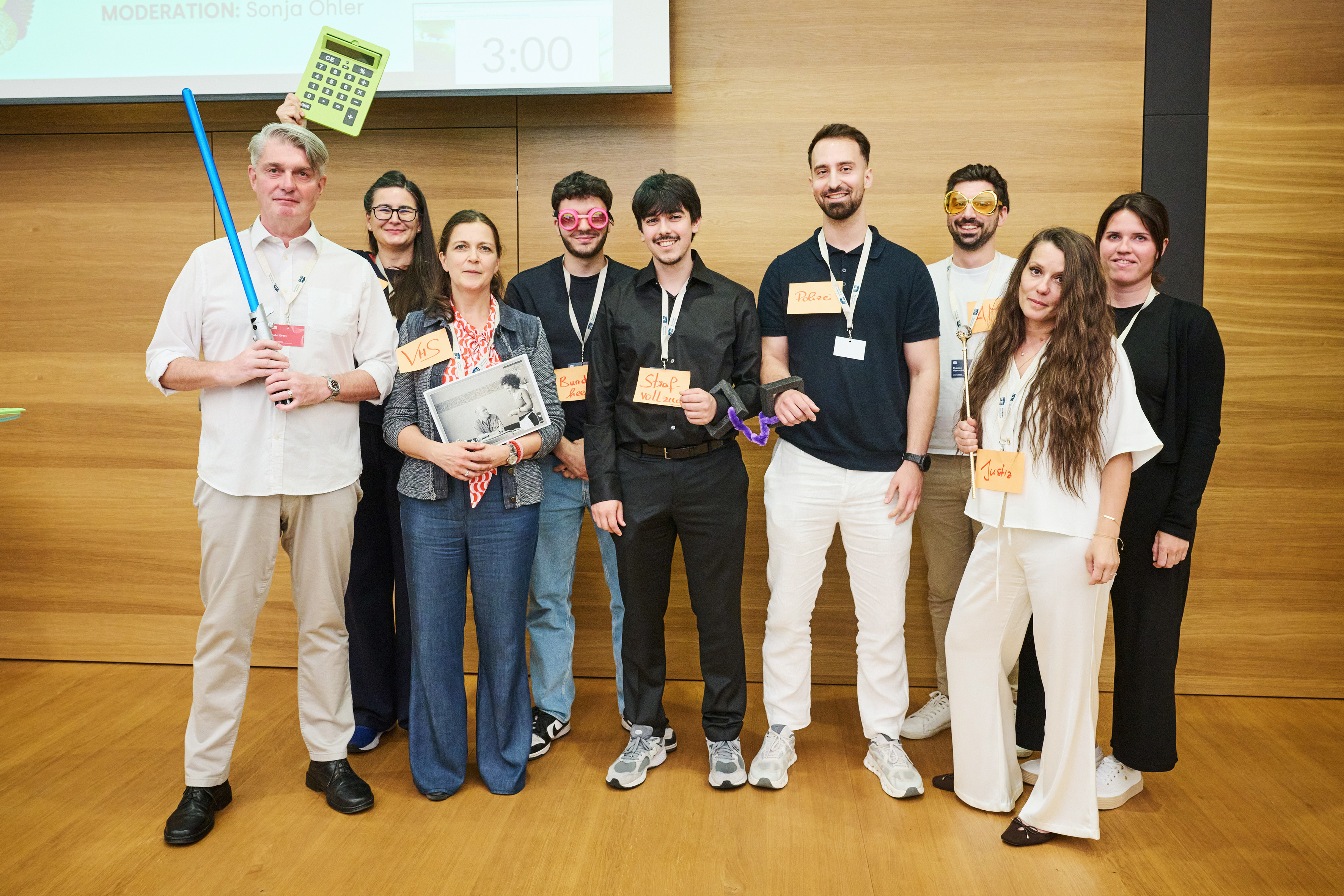
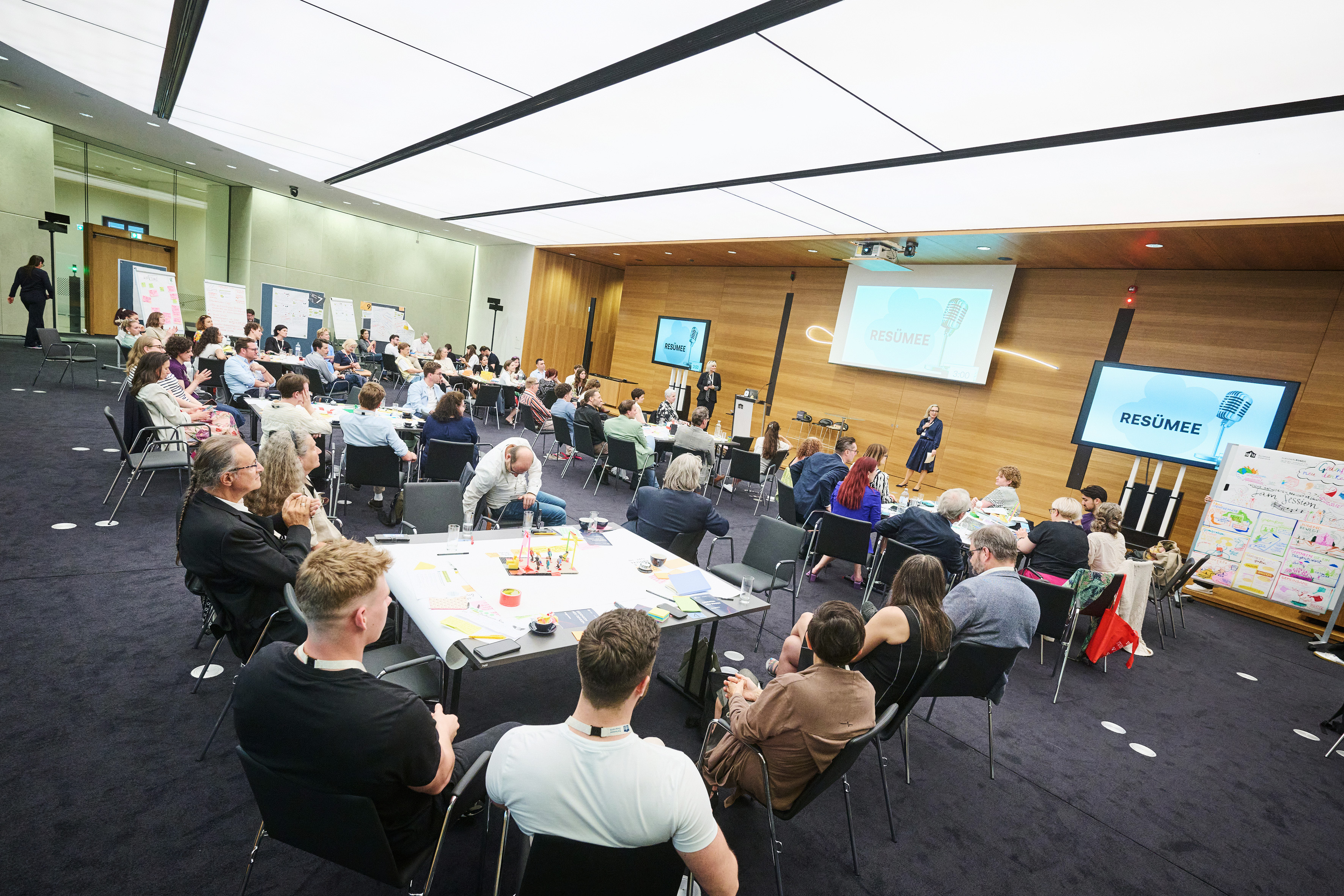
Interactive creative session: “Remembrance is what you do.”
The theme of the creative session: BIG JAM
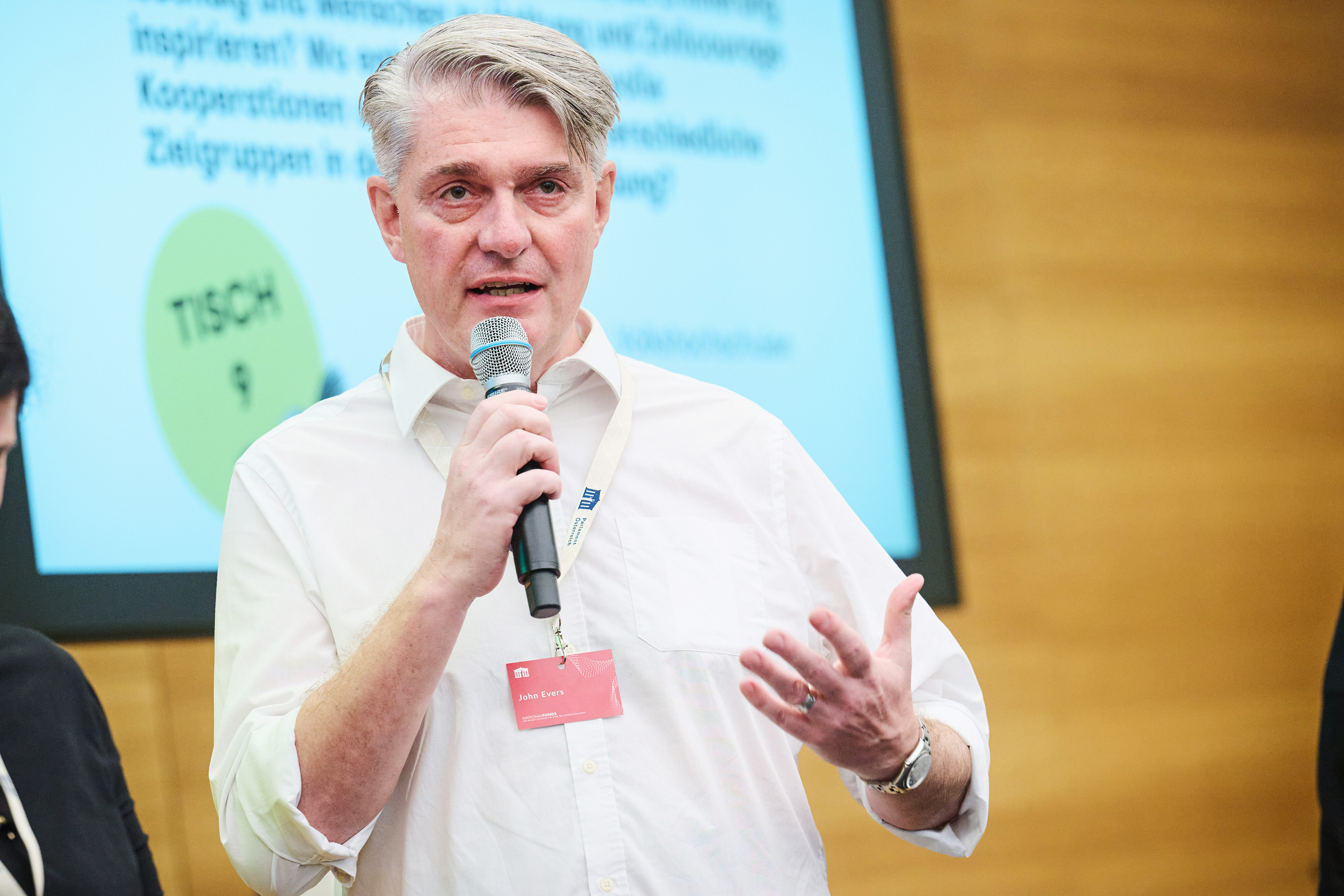
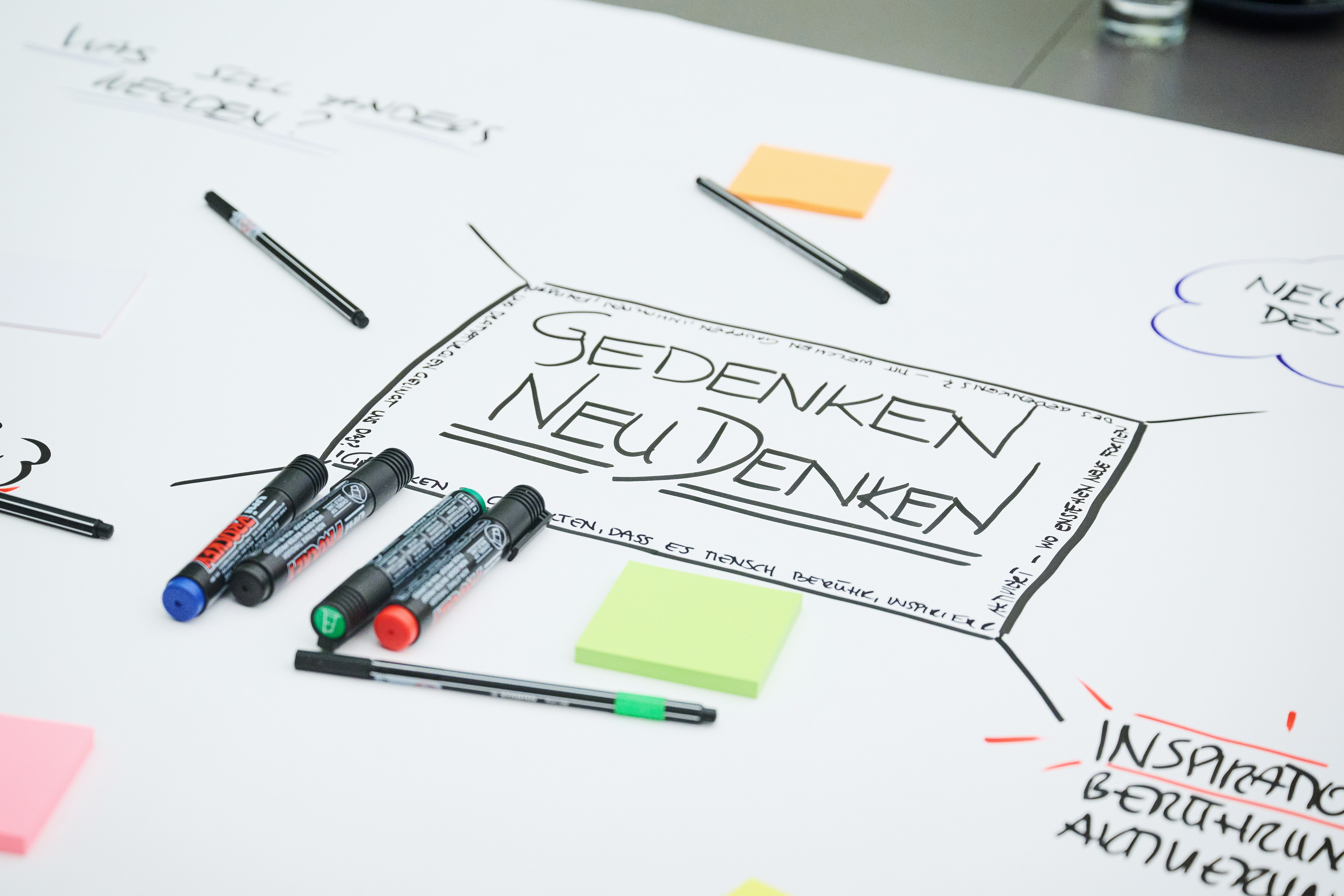
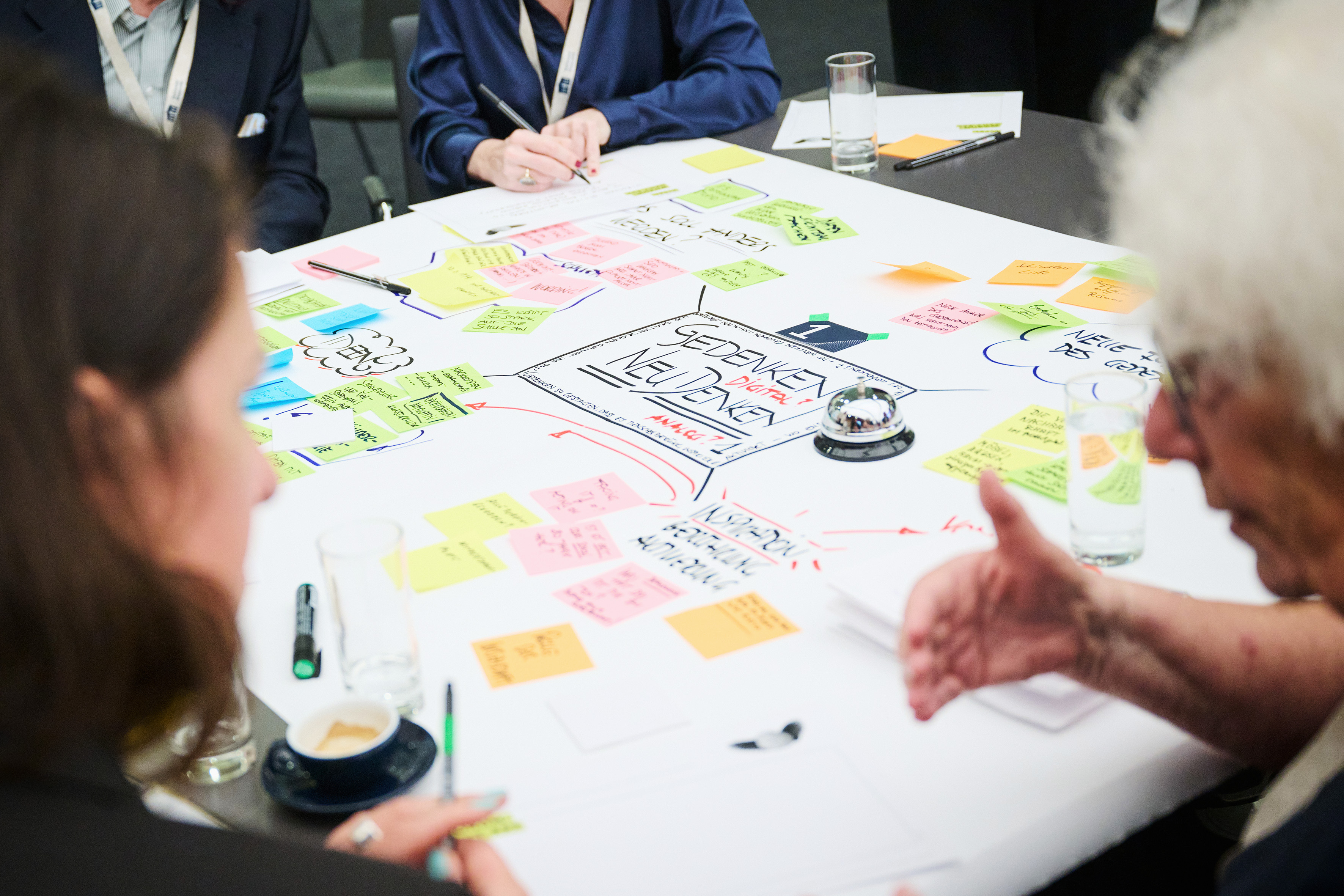
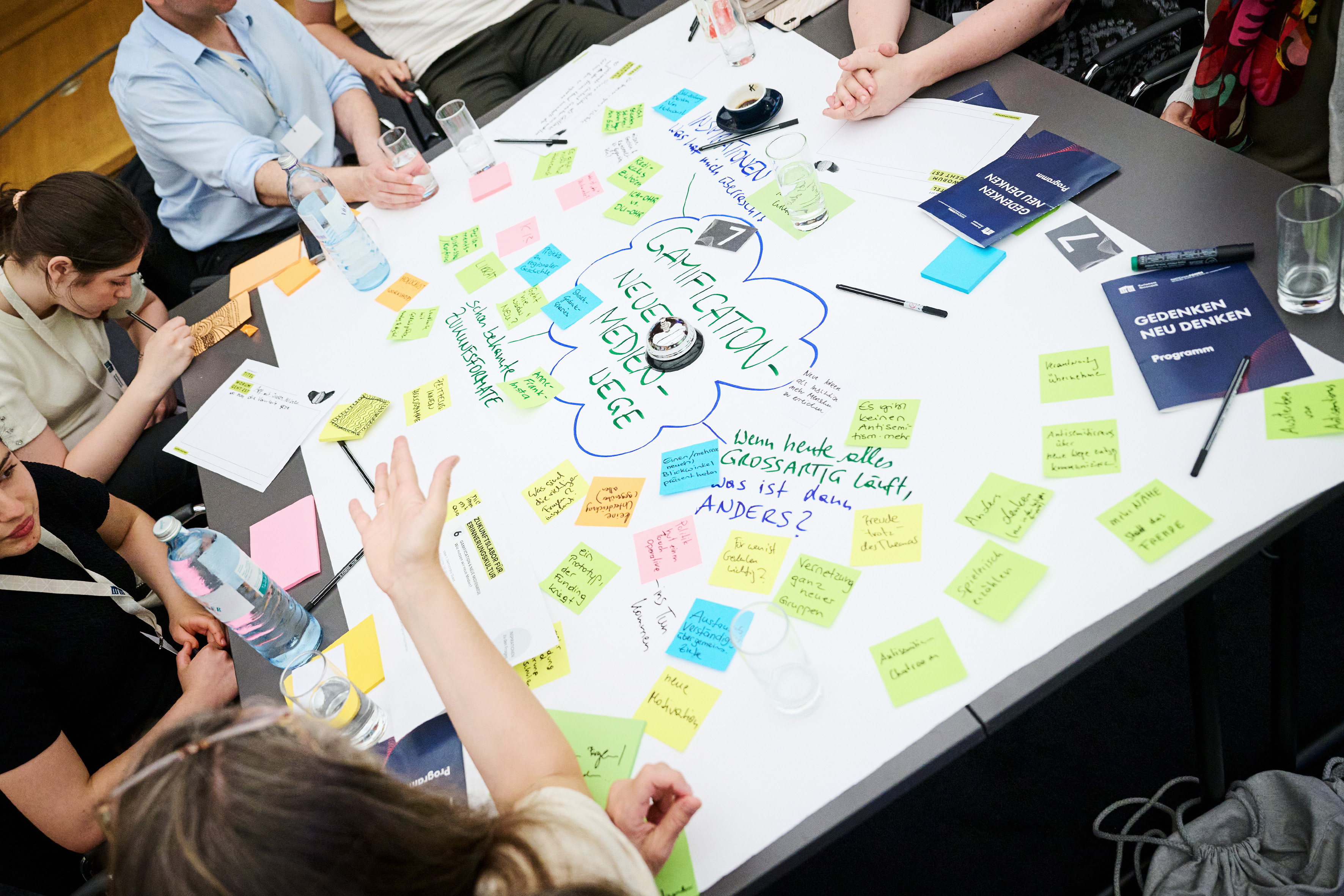
Remembrance is something you do. Memory thrives when people take responsibility, ask questions and shape the future. In the Big Jam, we will focus on eight key questions that invite us to rethink and further develop remembrance work and, together, make it effective.
What is a BIG JAM?
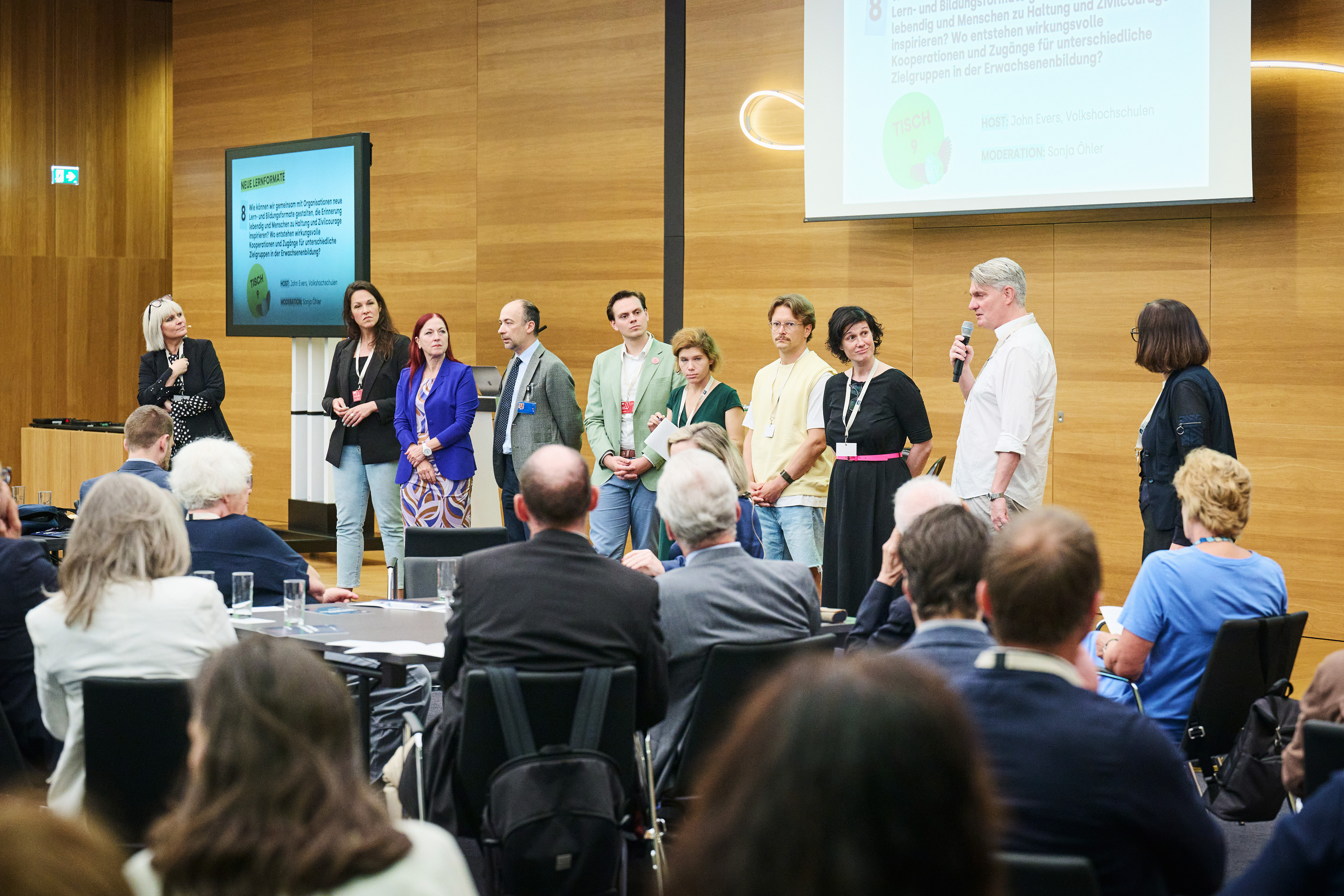
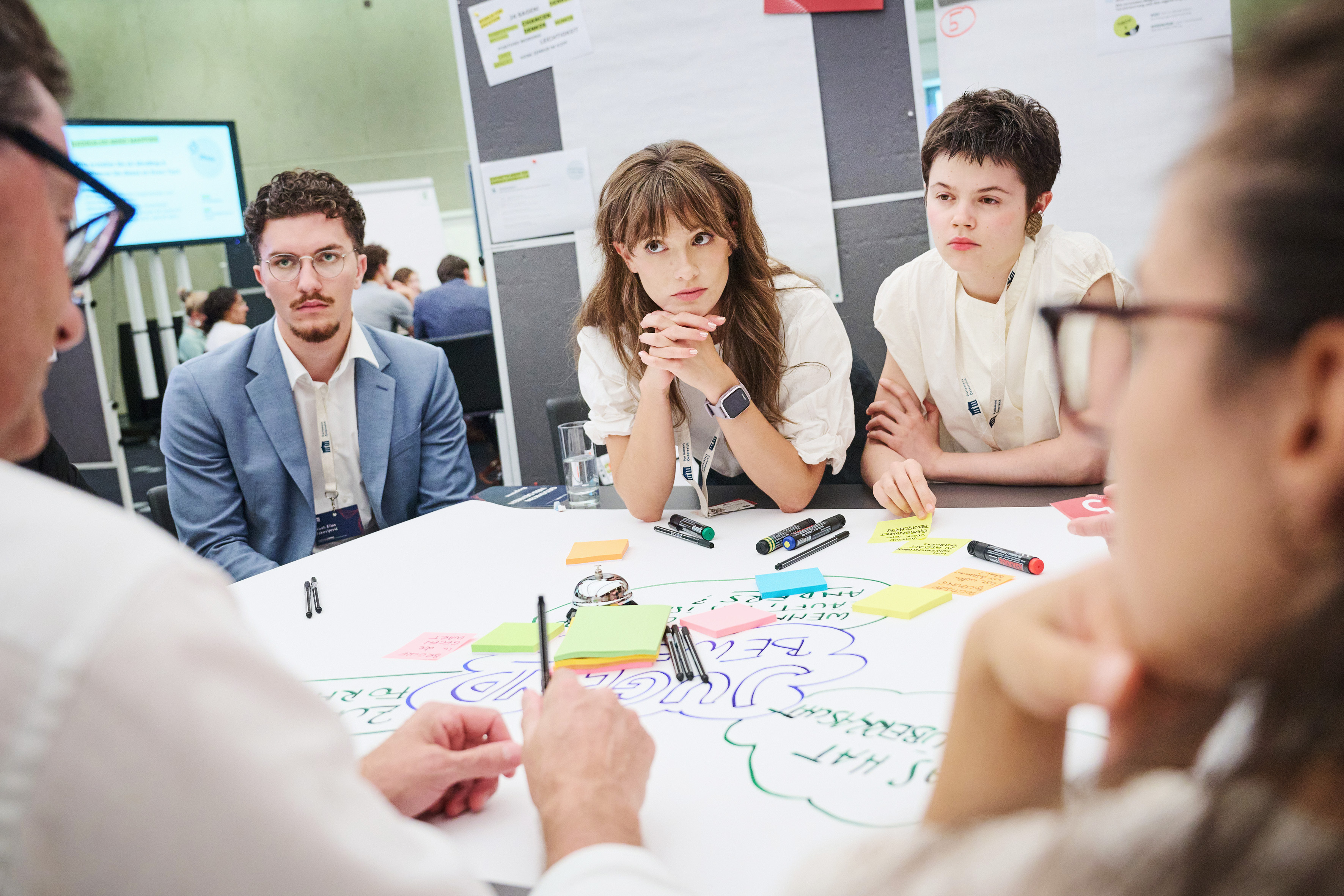
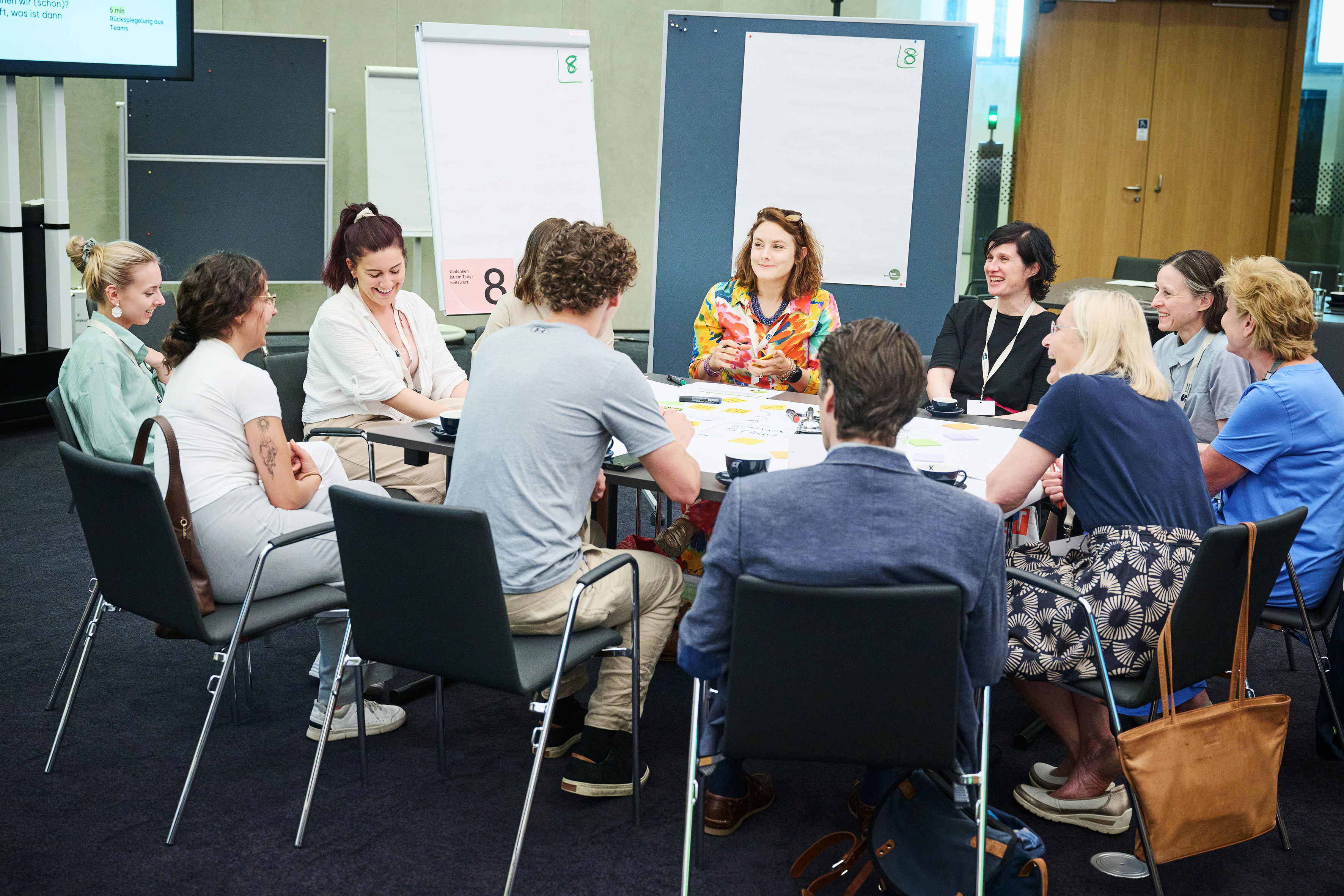
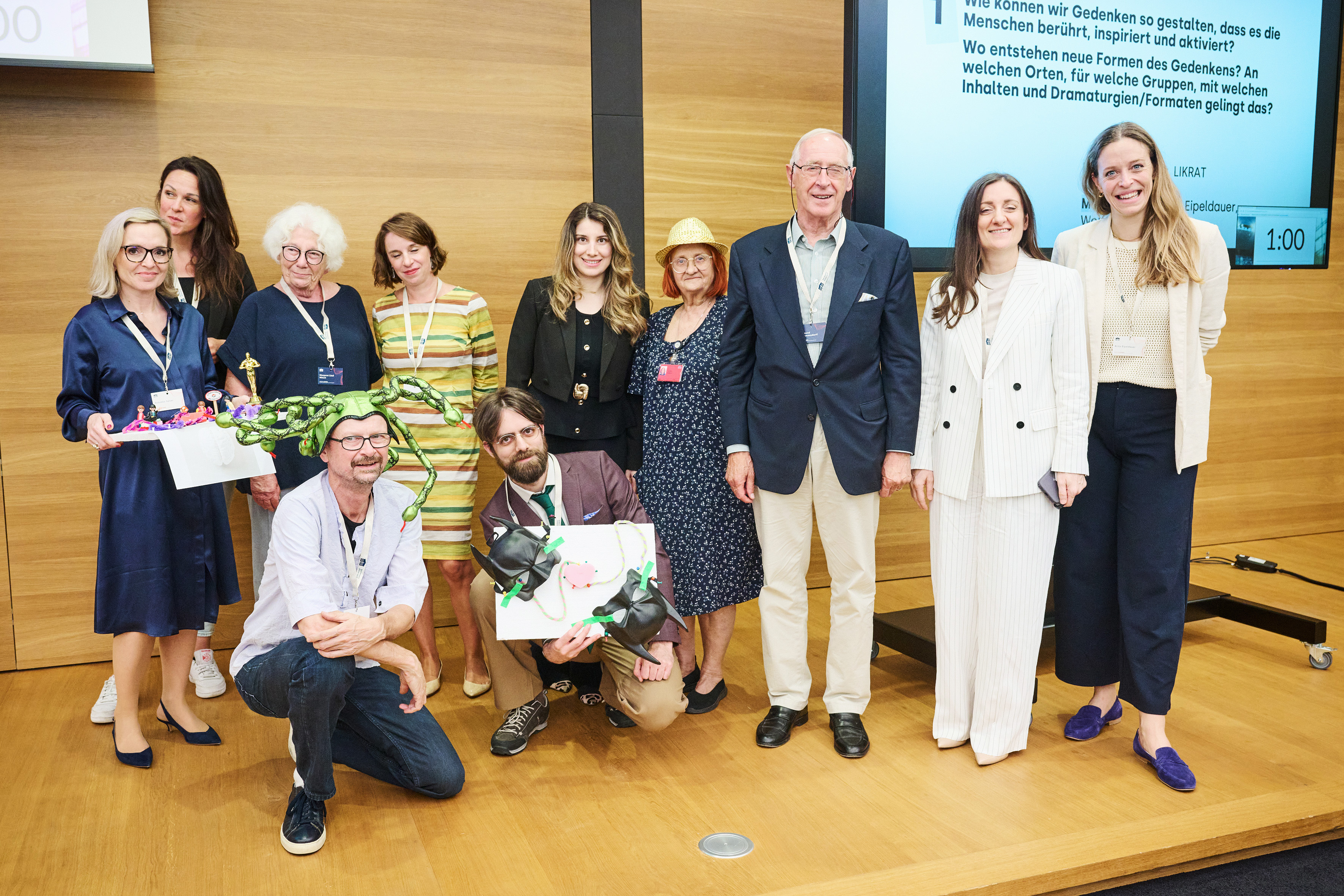
A BIG JAM is an open-format event in which people with different perspectives collaborate on ideas and develop them further. The focus is on exchange, creativity, and the collaborative development of solutions arising from the interplay of many different voices, which are then shaped into conceptual ideas and presented.
Session 1: Exploring, Understanding and Shaping the Future
Introduction to the methodology and thematic areas
Exploring the current state of remembrance work
Highlights of remembrance: What is working particularly well today?
Challenges and key issues: Where are we reaching our limits?
Highlighting the perspectives of different stakeholders
Identifying opportunities and areas for future development
What do we want to preserve, develop further or rethink?
Selection of questions and work in the thematic areas
Session 2: Refining ideas and developing concrete prototypes
Exchange of results between the groups
Further development and refinement of ideas
Redesigning existing formats and approaches
Developing new approaches to remembrance and education
Formulating concrete courses of action and collaborations
Developing new possibilities for a vibrant culture of remembrance
Deriving concrete prototypes and ideas for the future
Joint outlook: The future of remembrance
Presenter
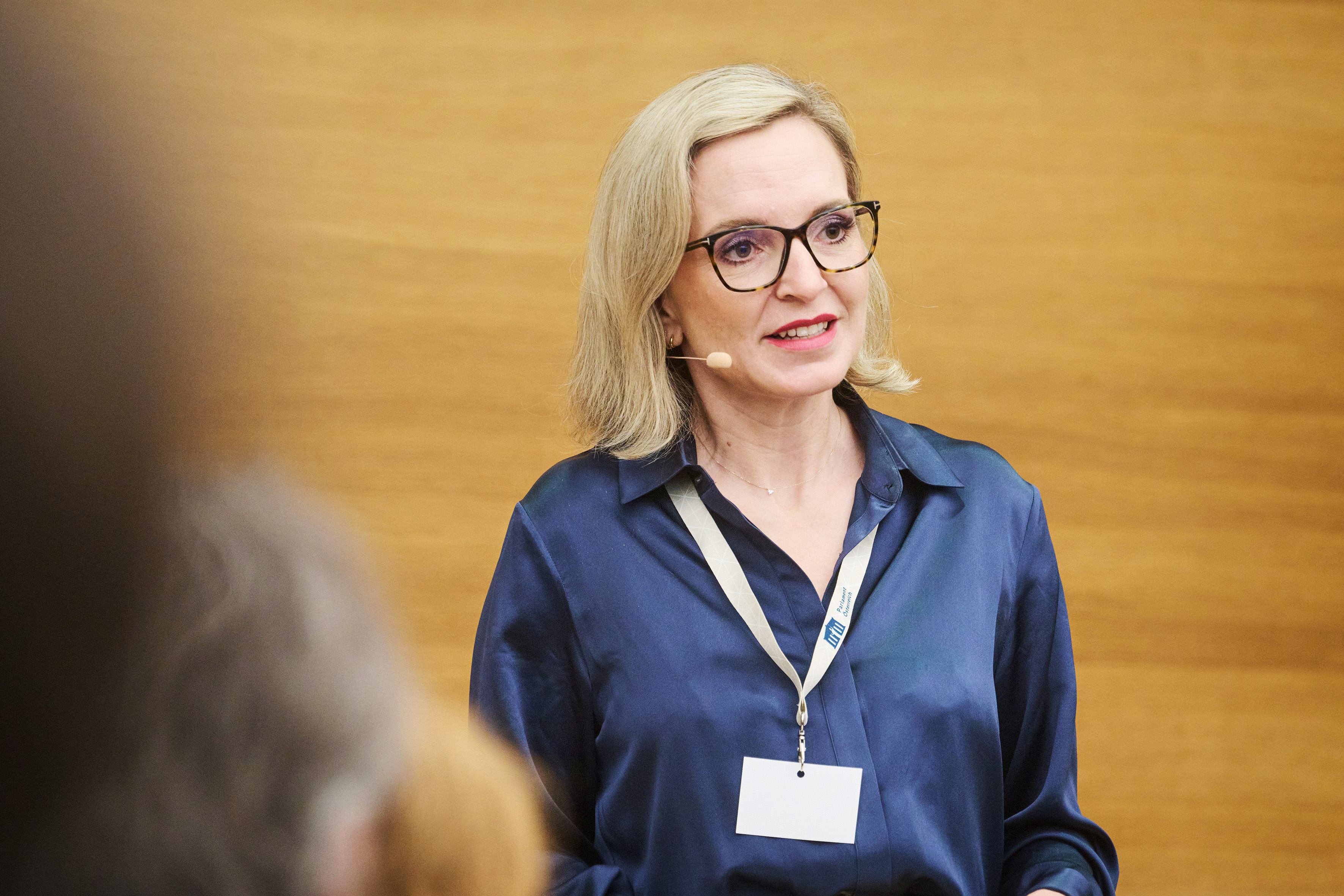
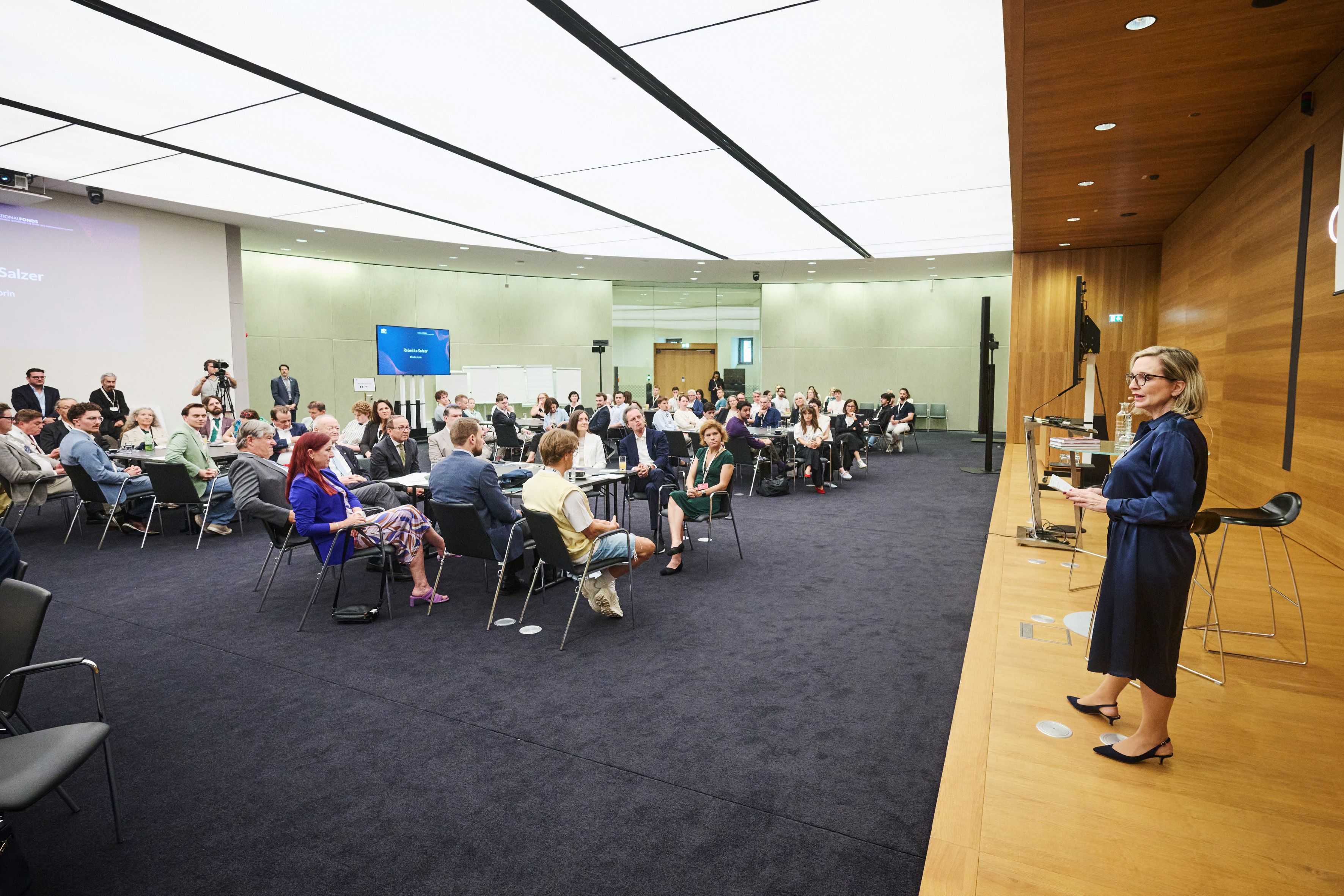
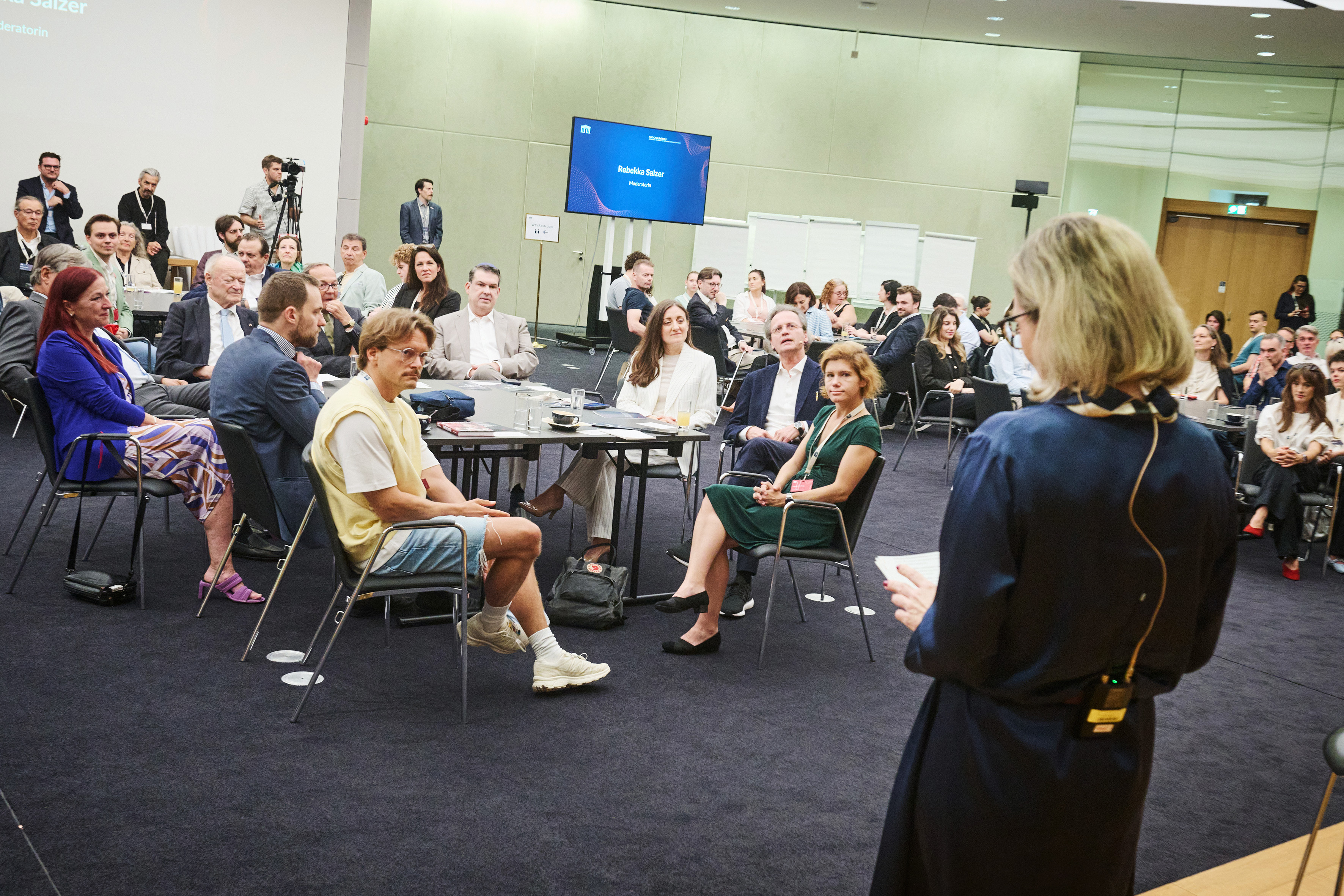
Rebekka Salzer Journalist, ORF
If you have any questions, the National Fund team will be happy to assist you at office@nationalfonds.org.
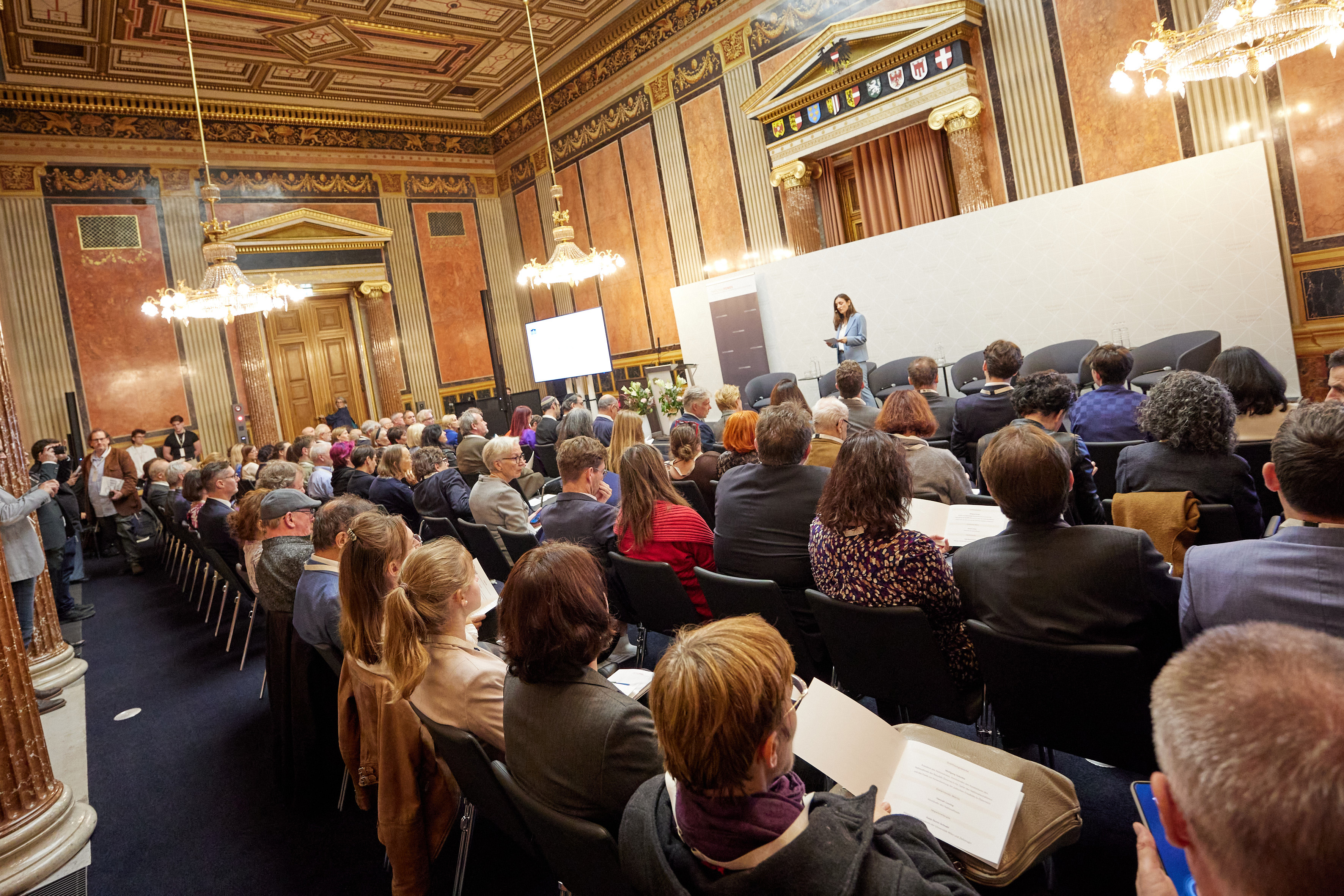
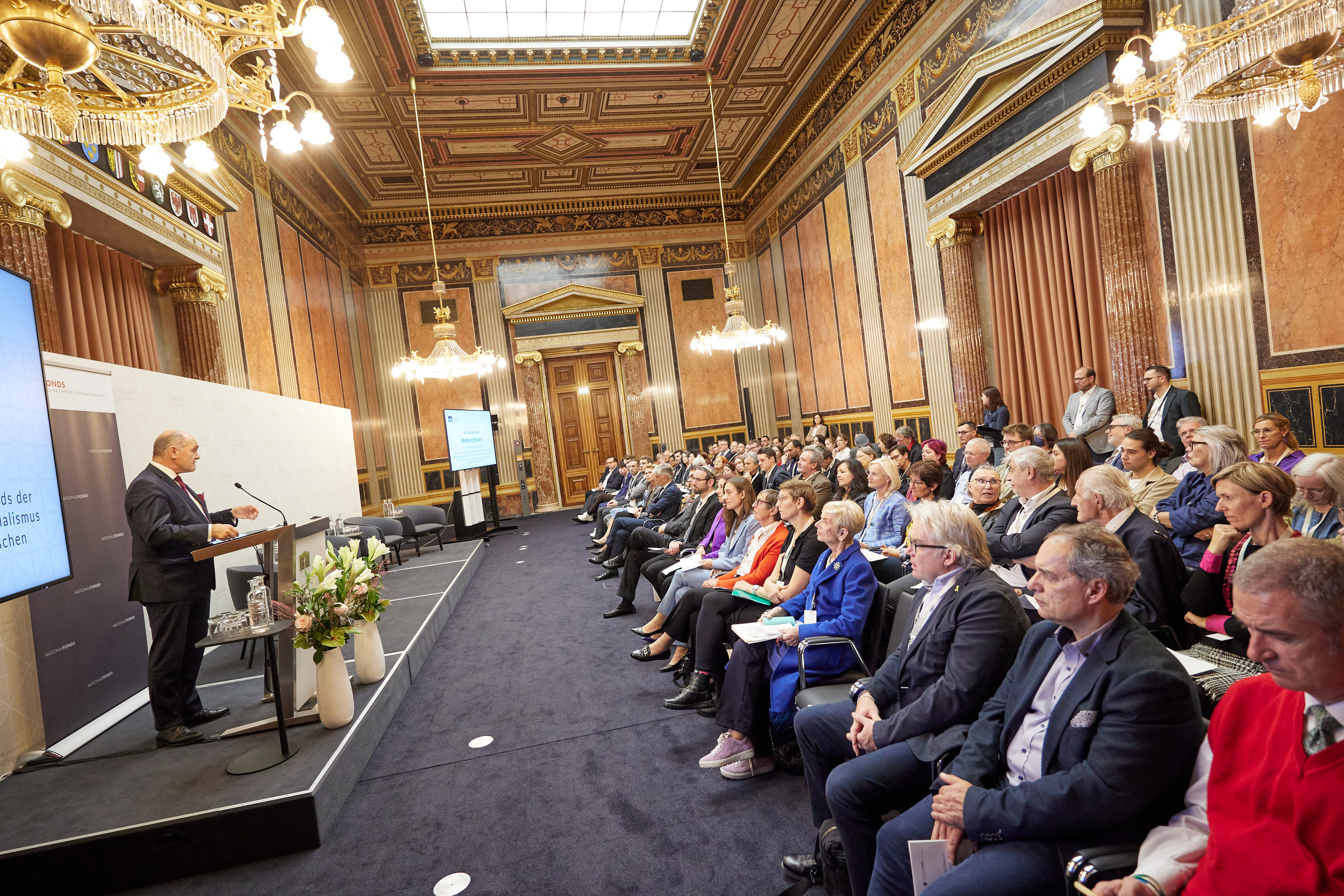
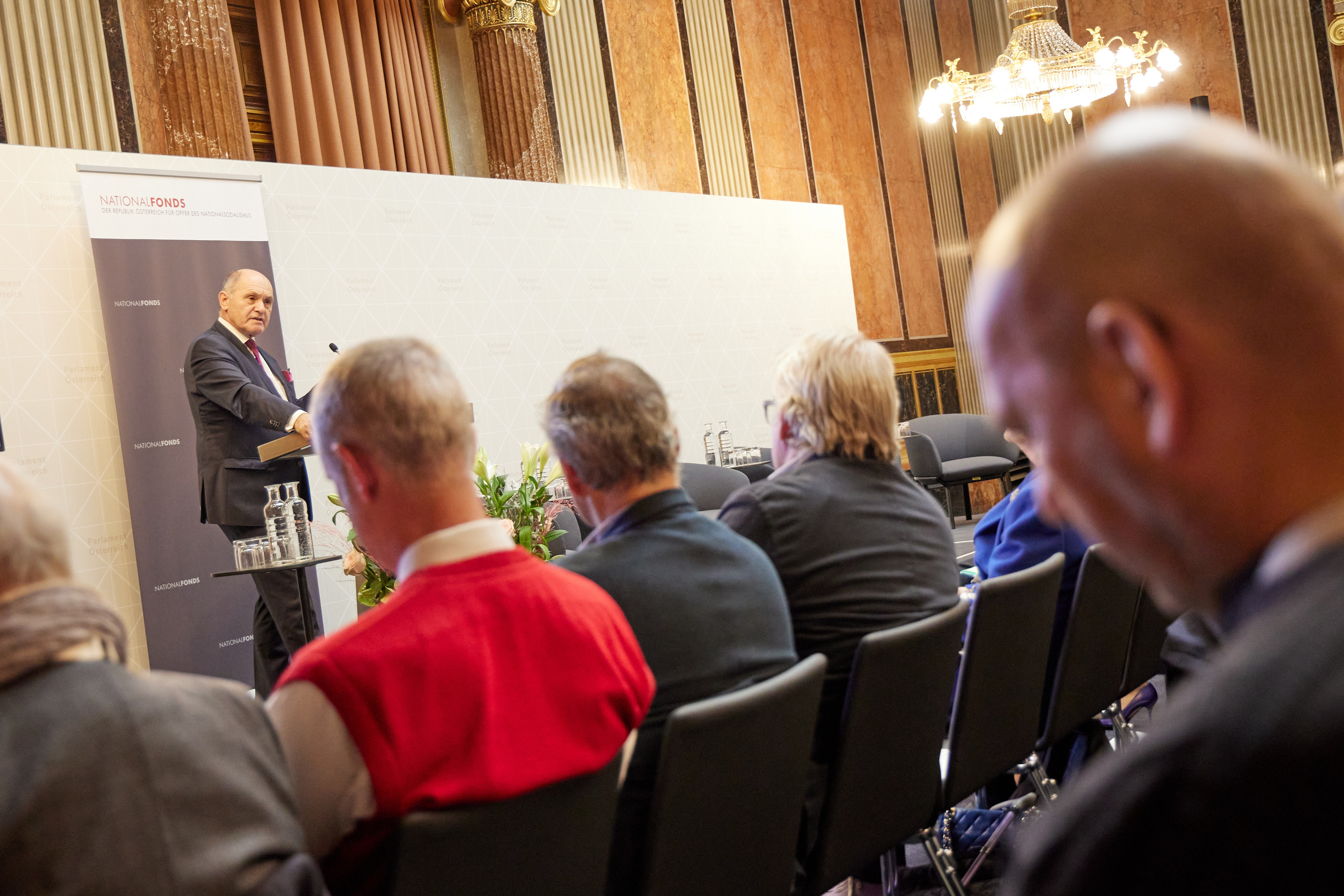
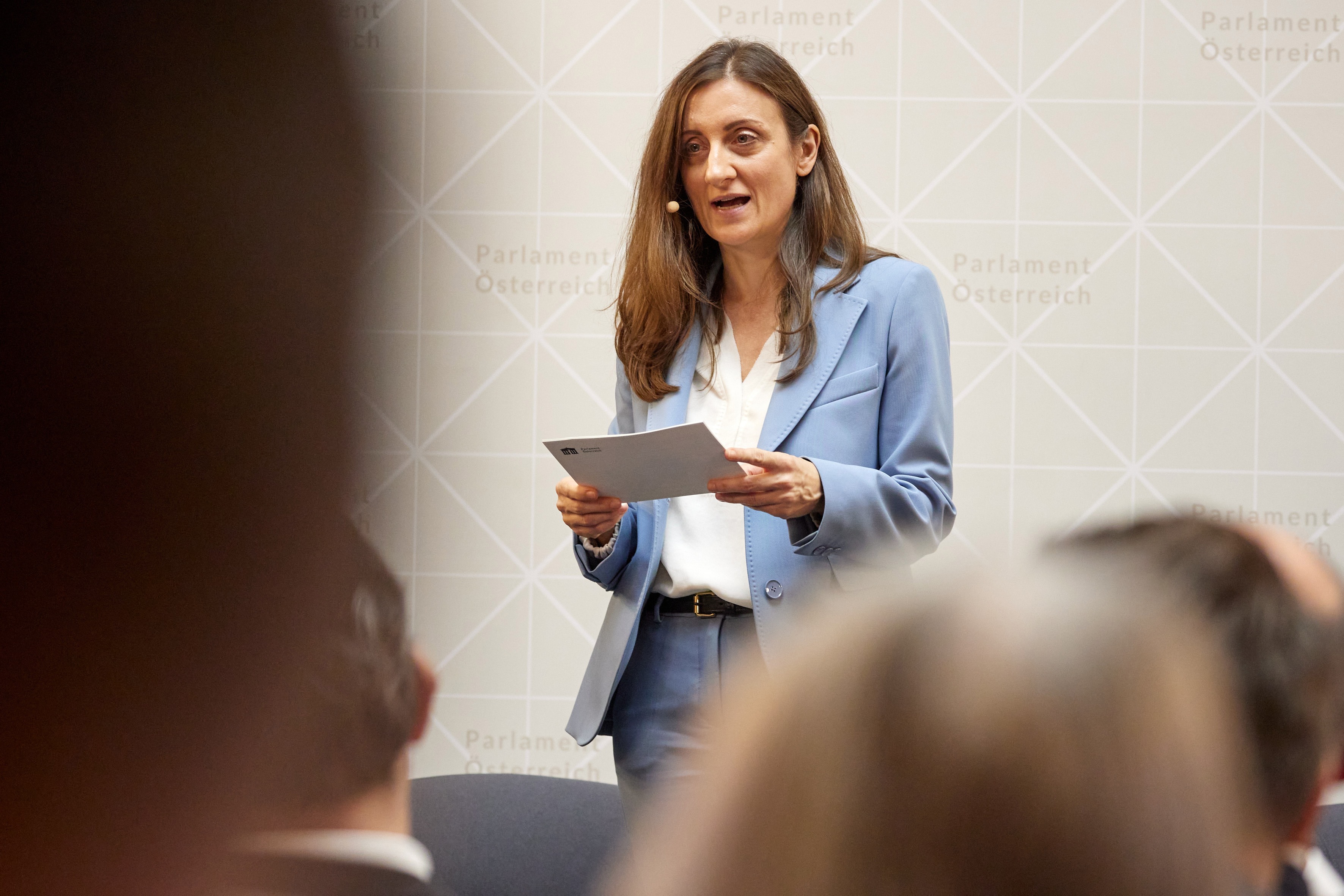
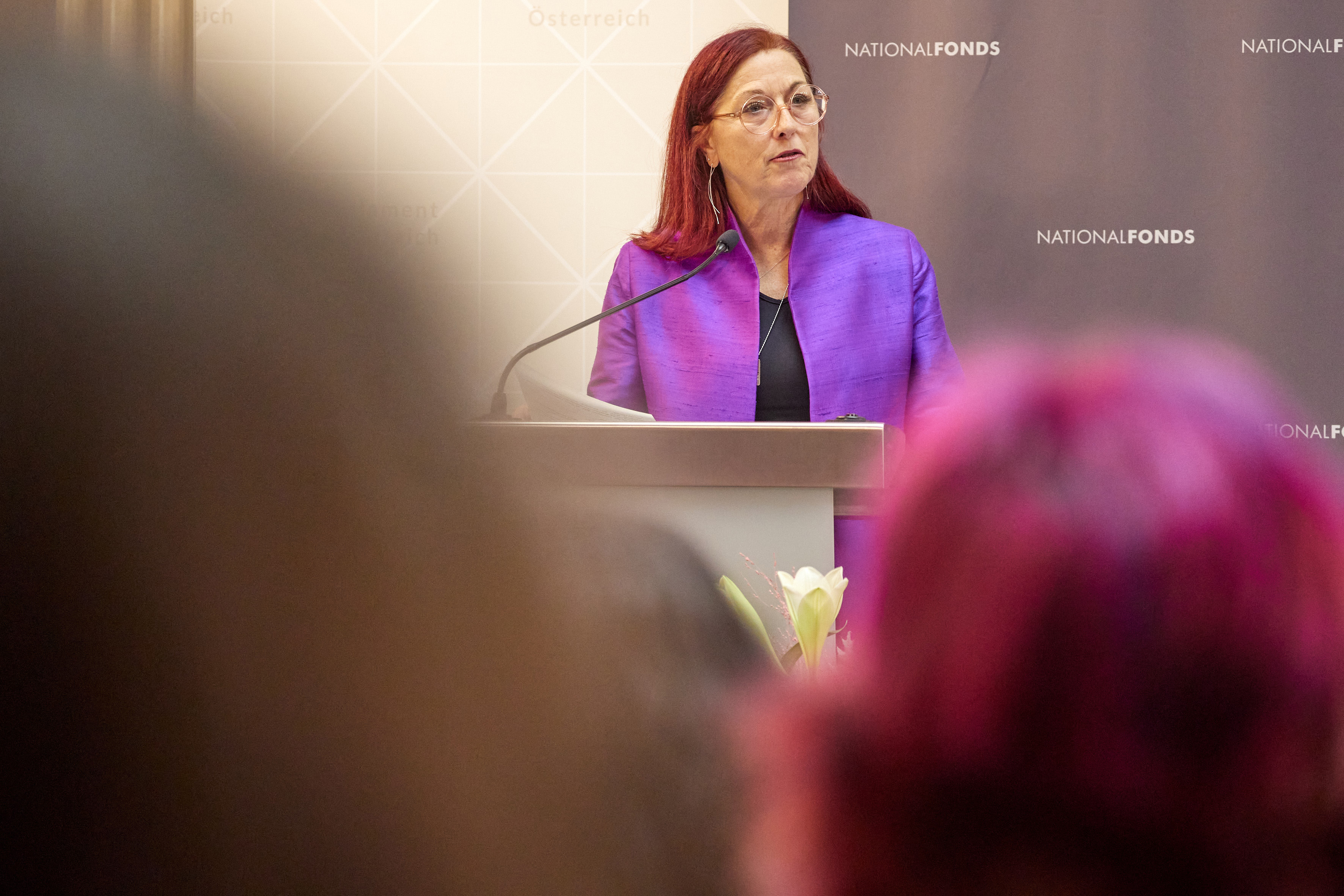
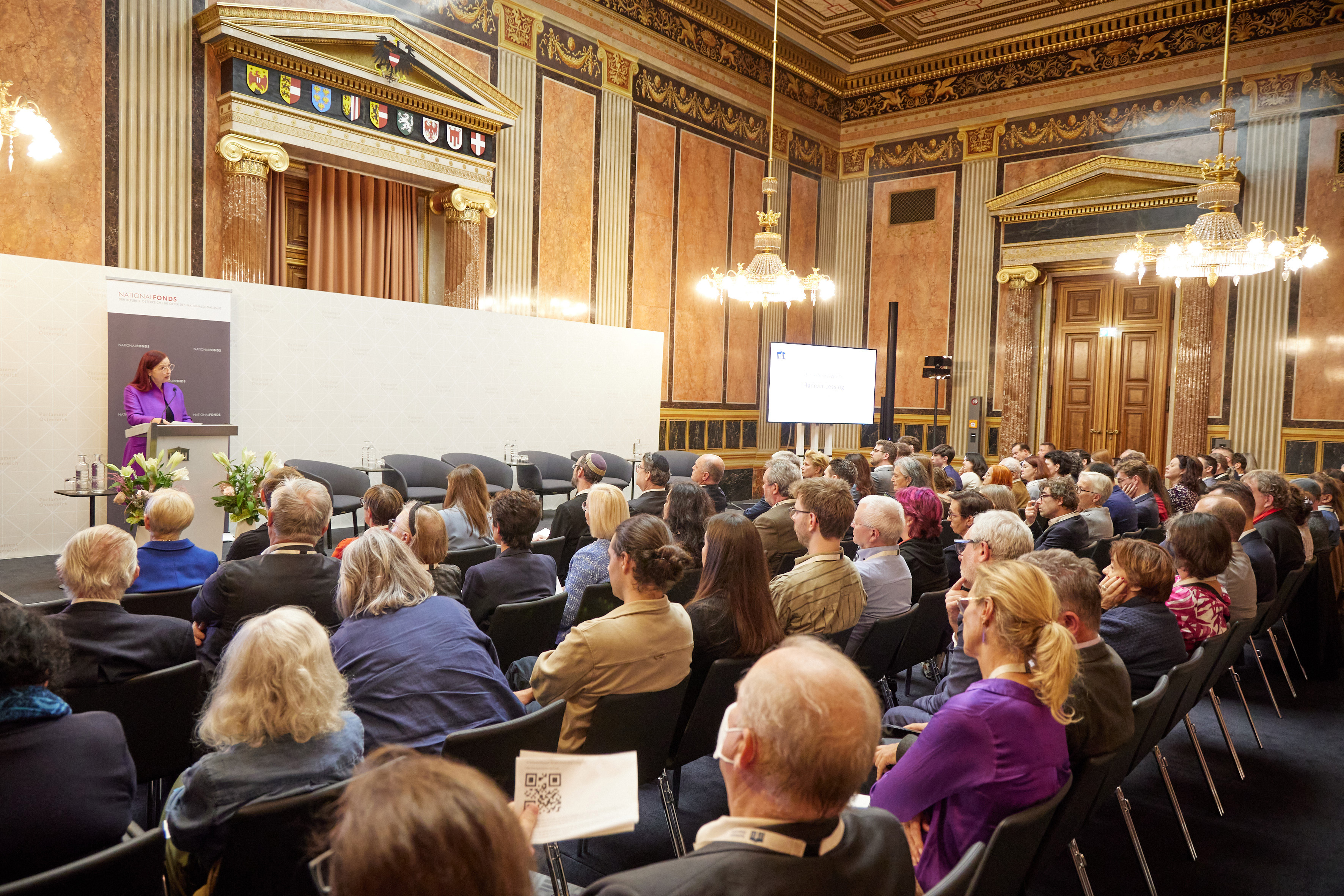
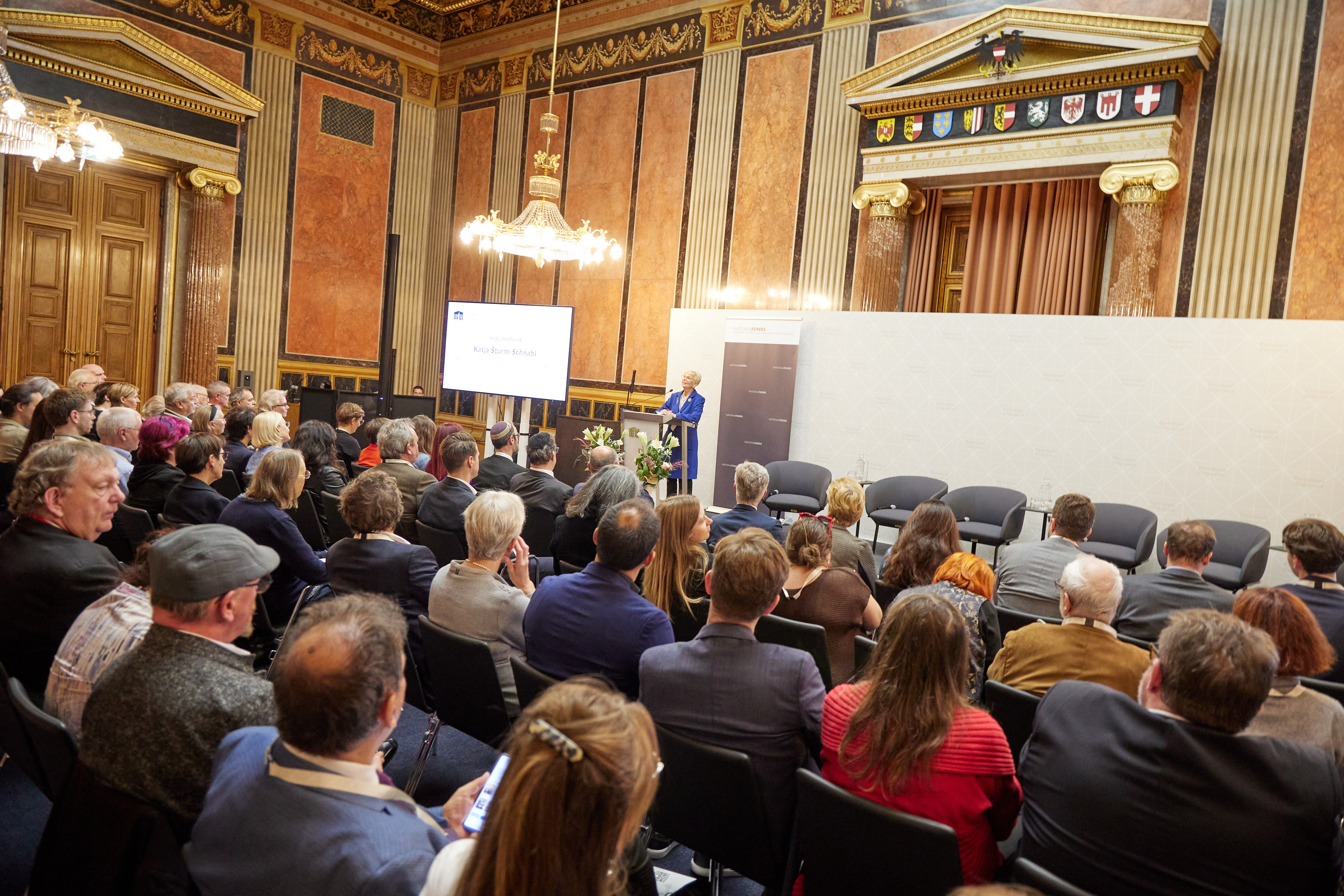
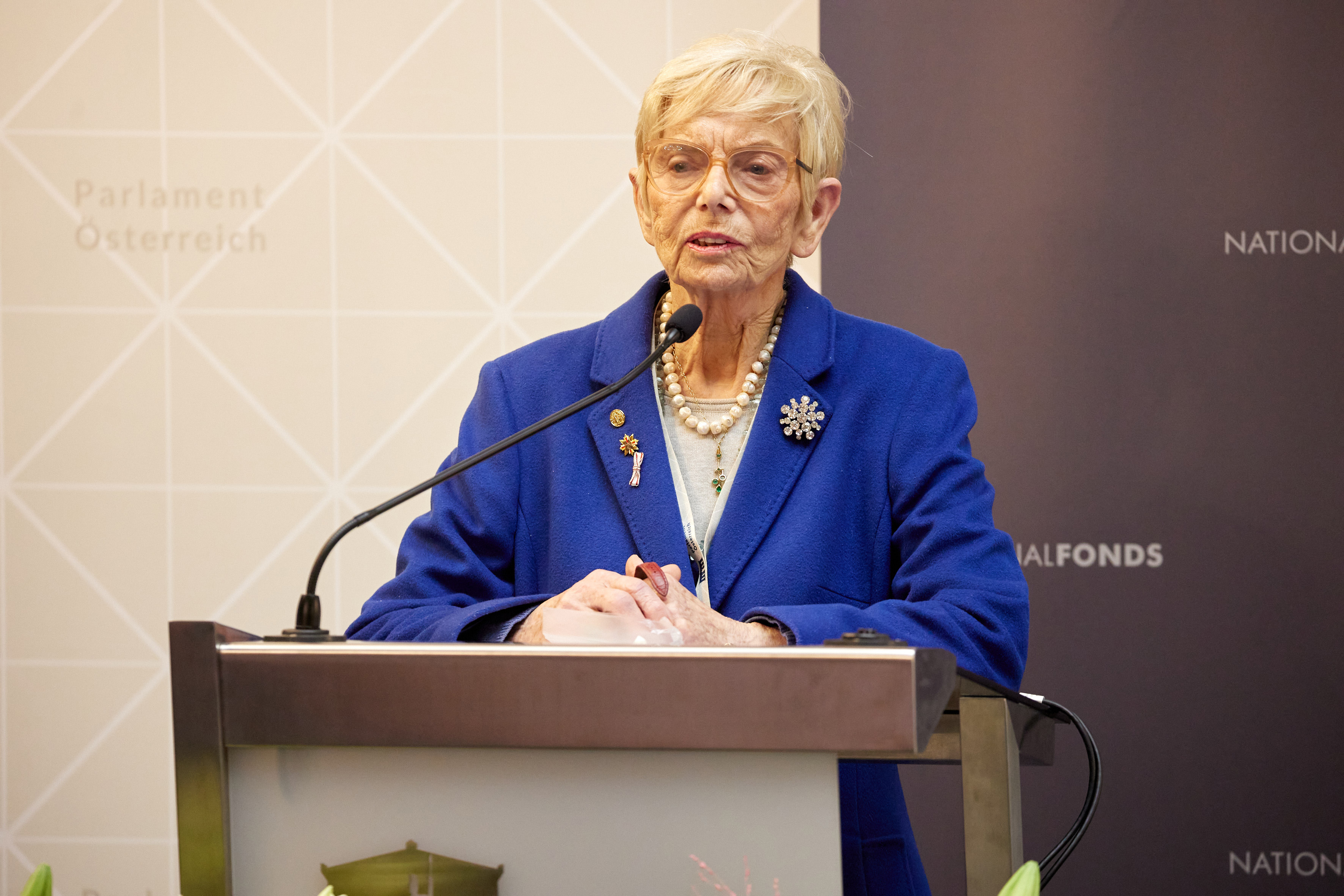
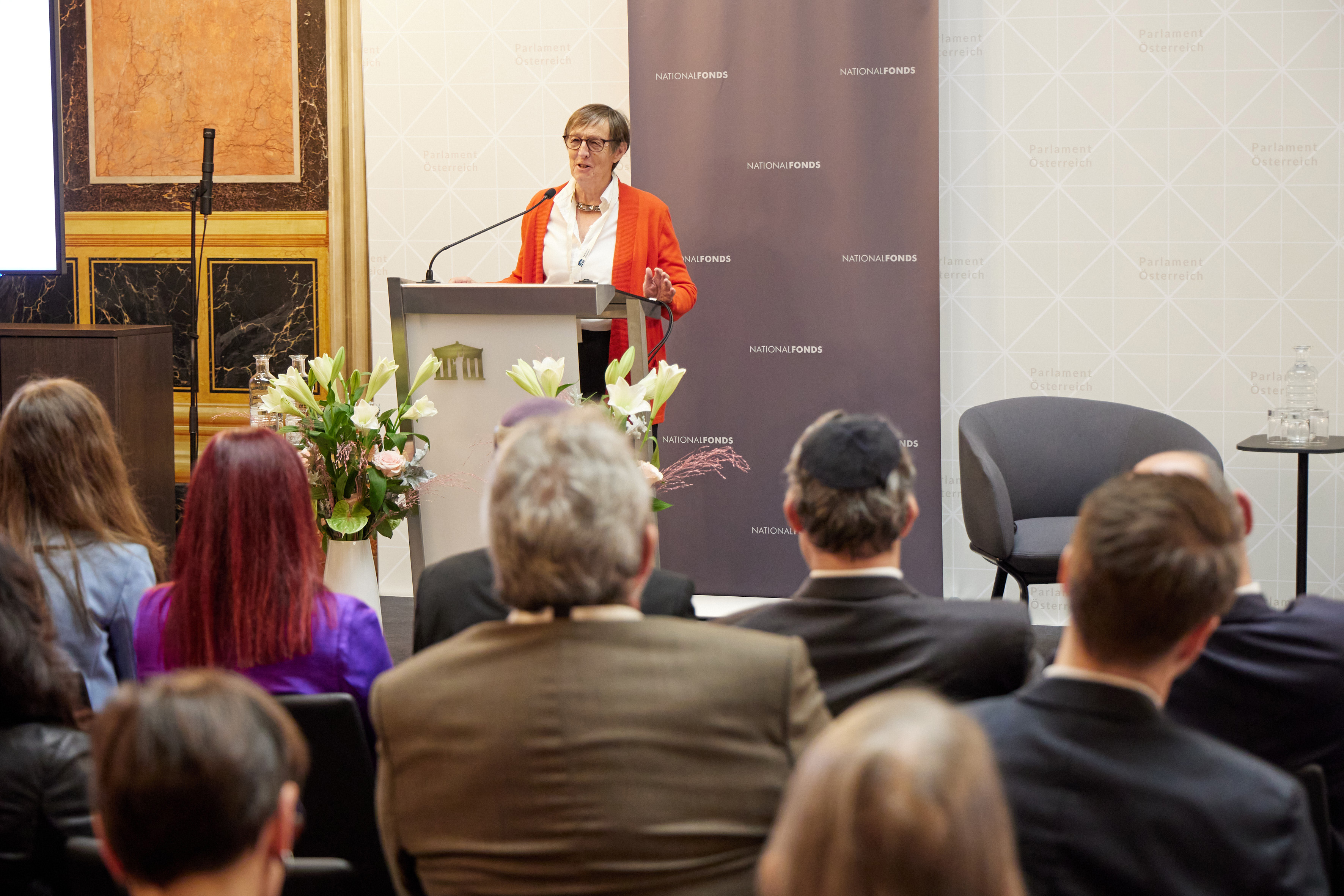
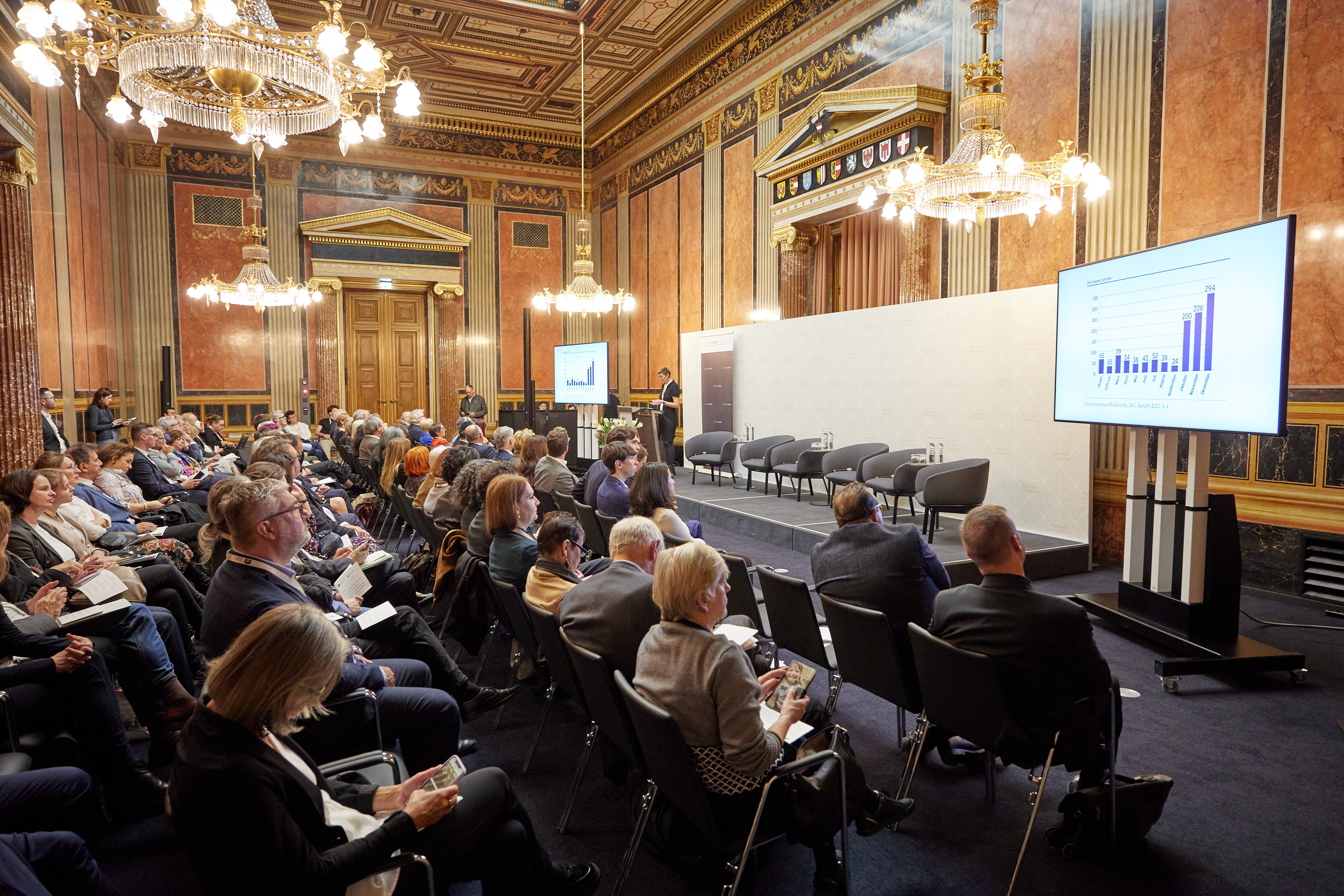
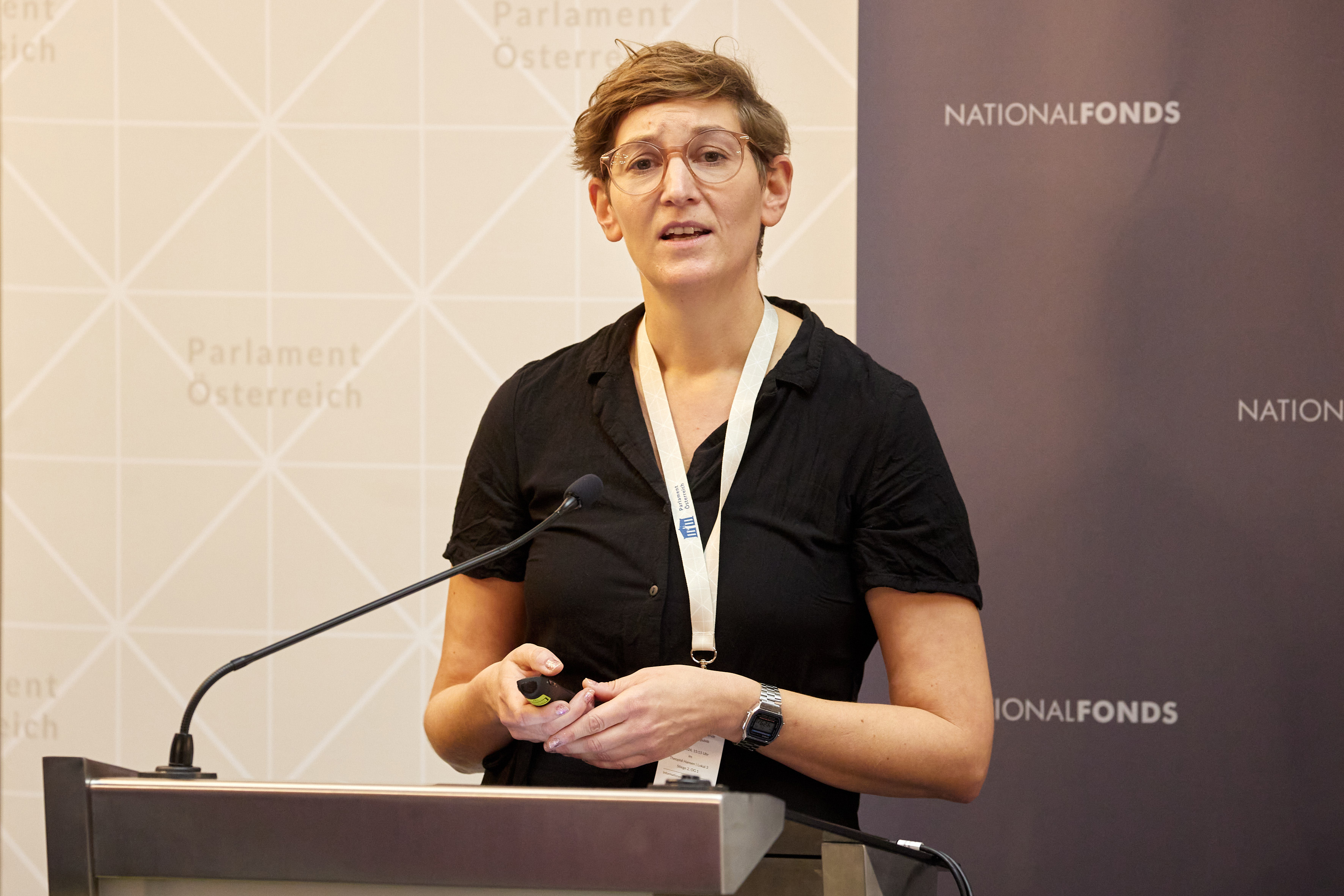
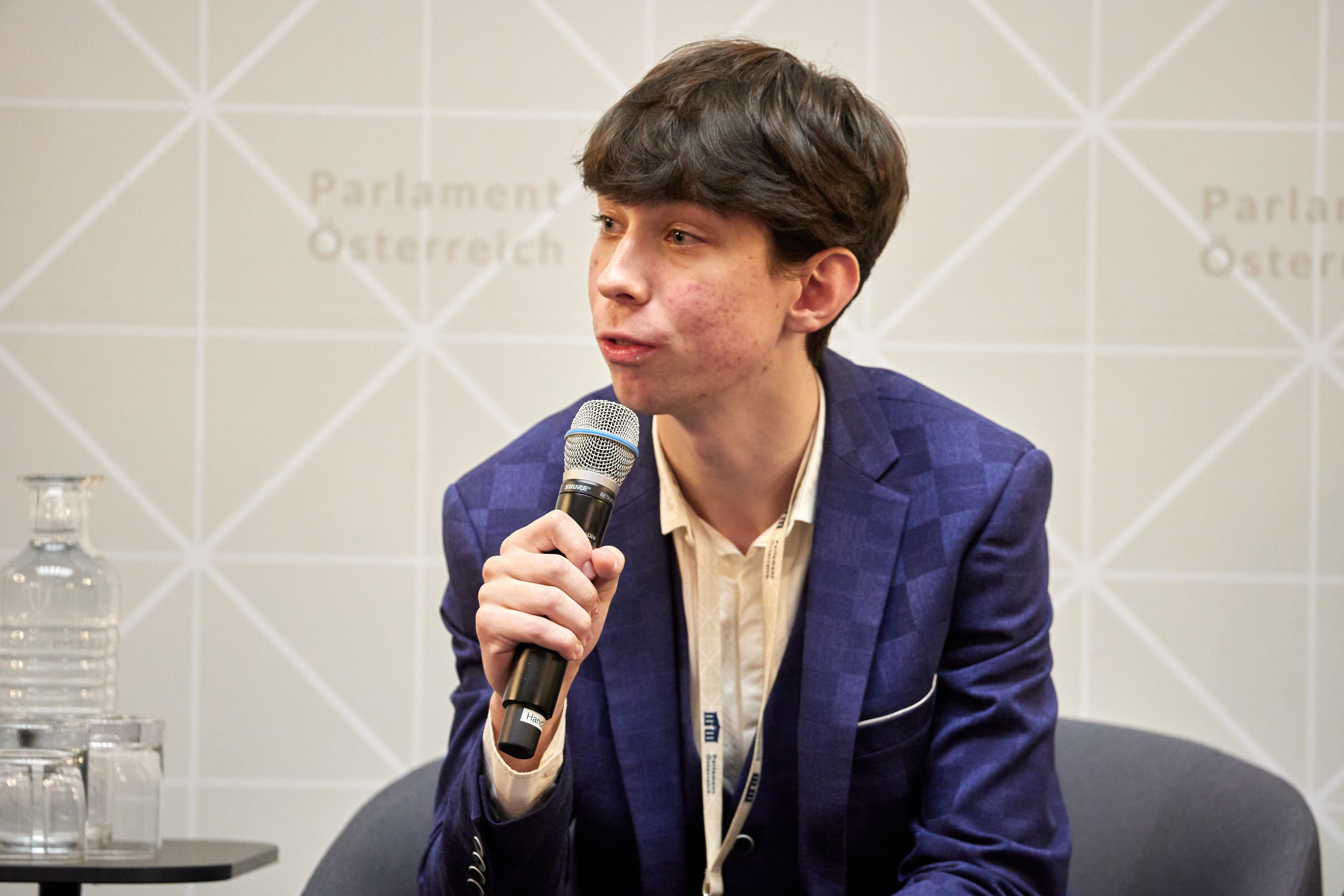
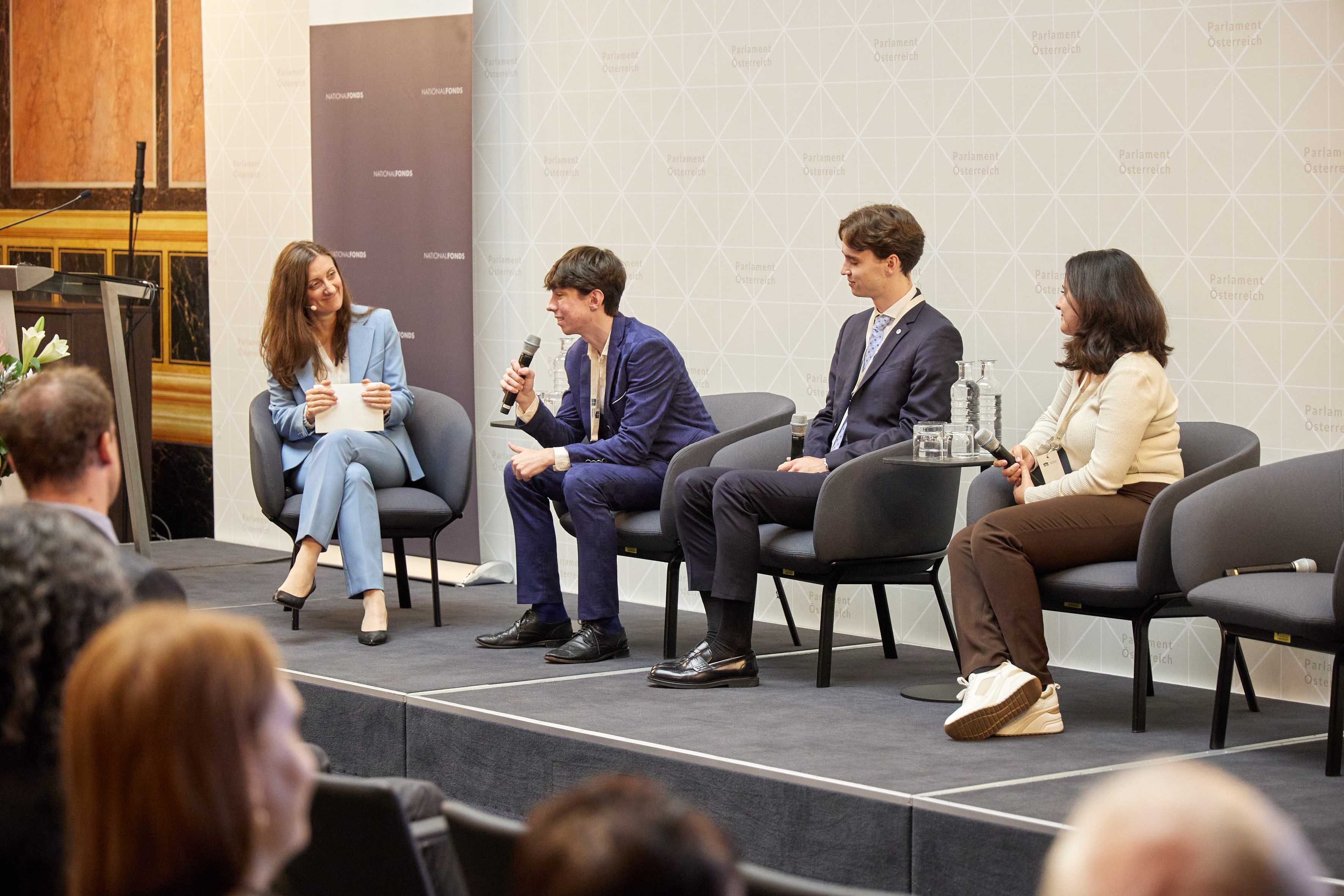
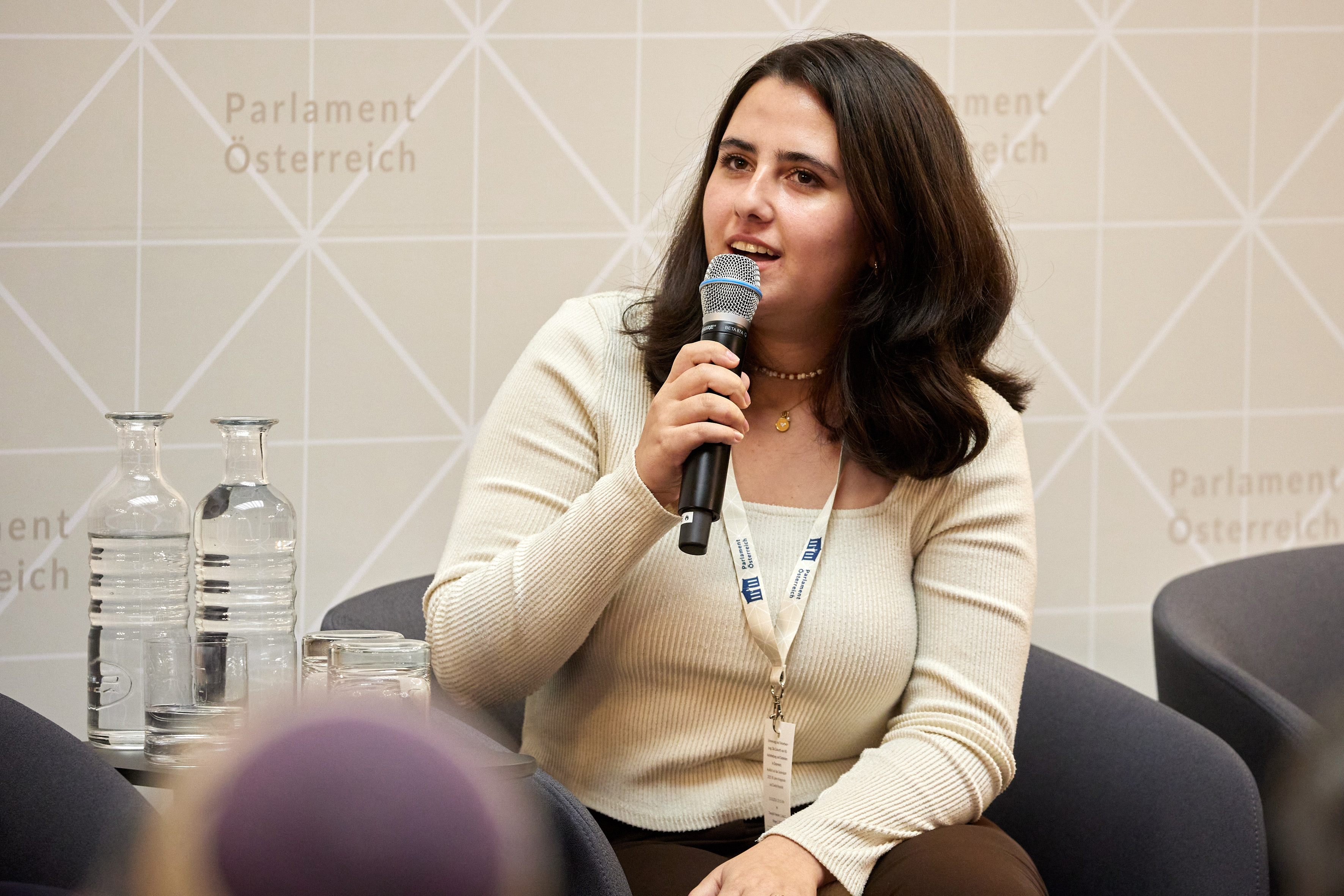
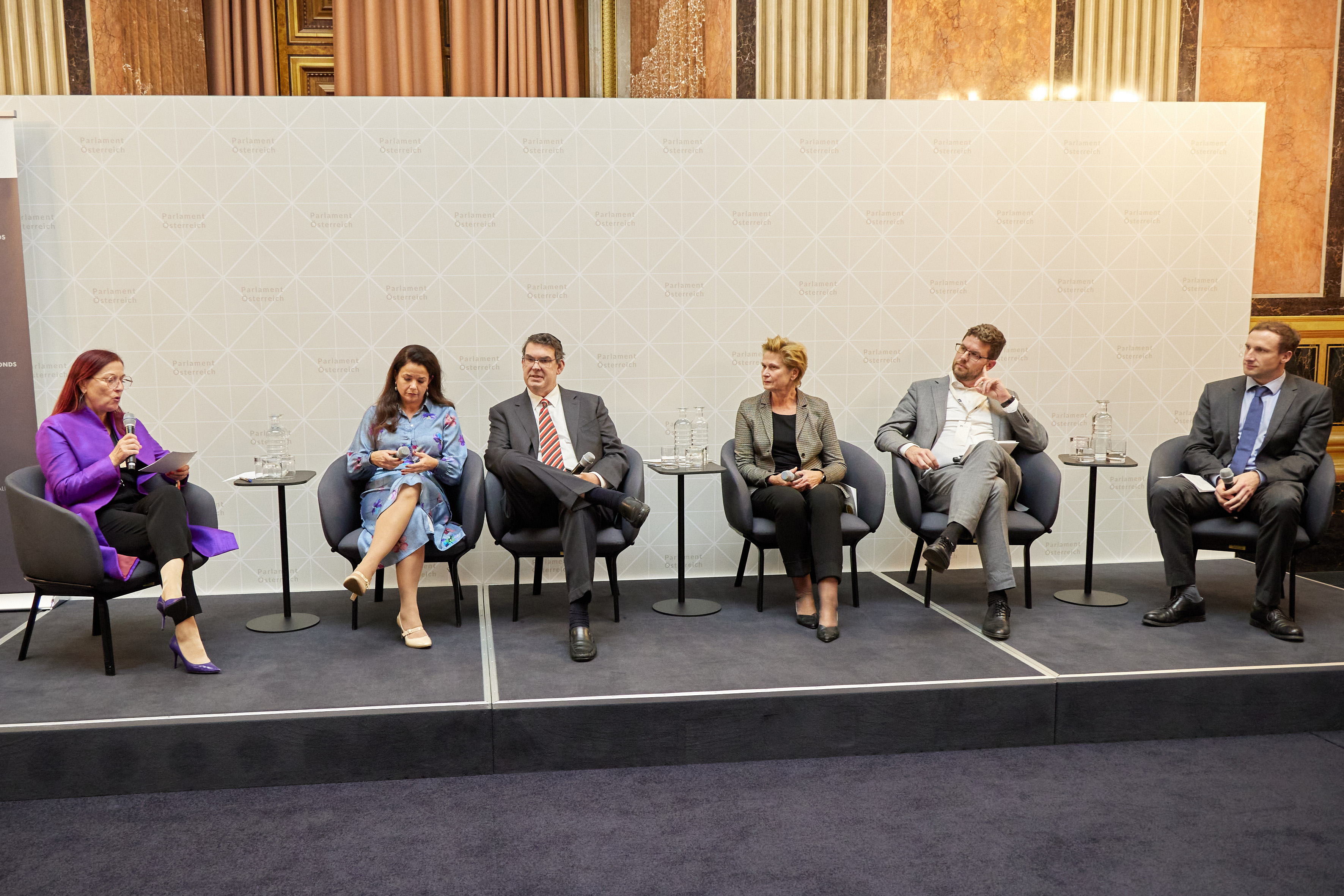
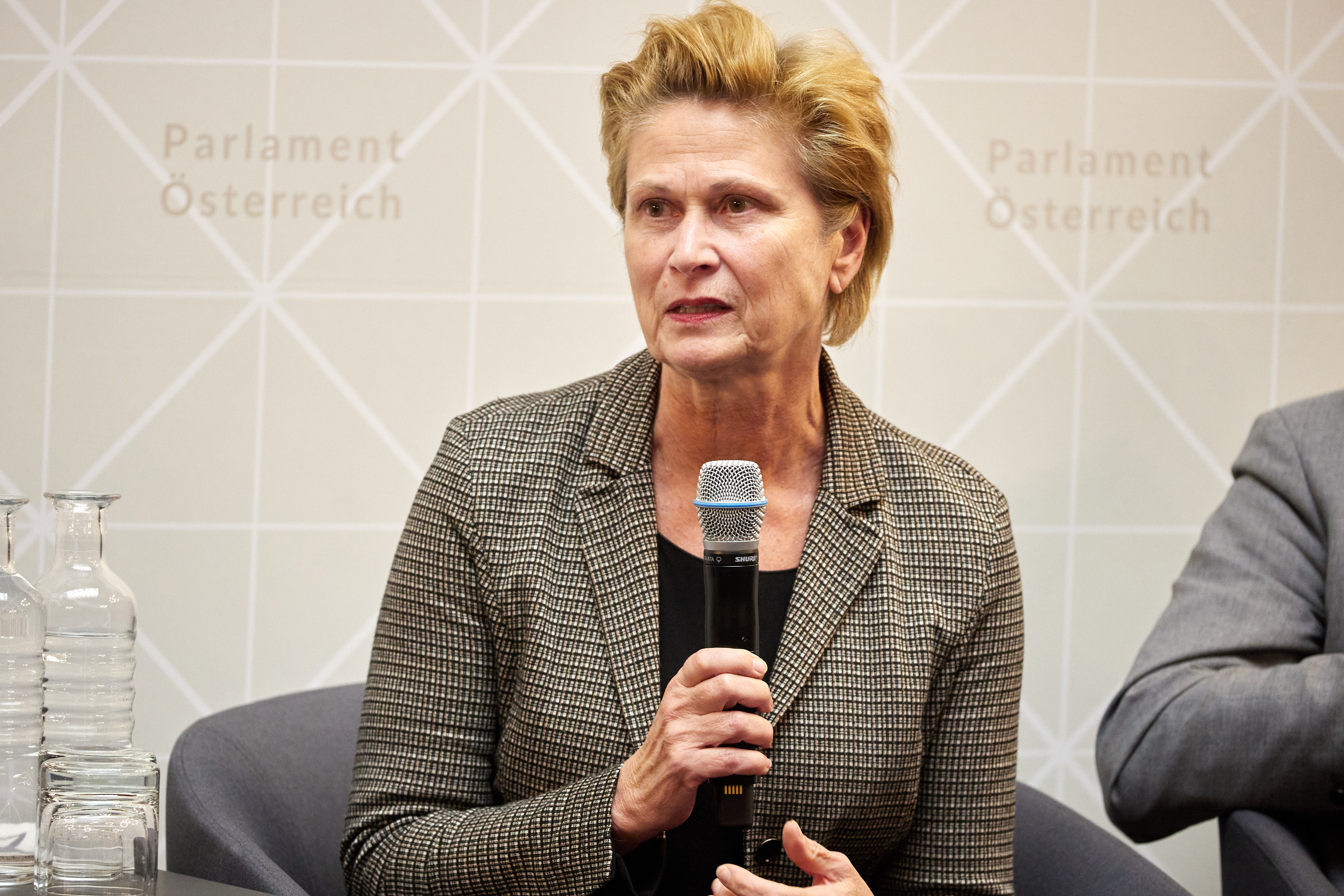
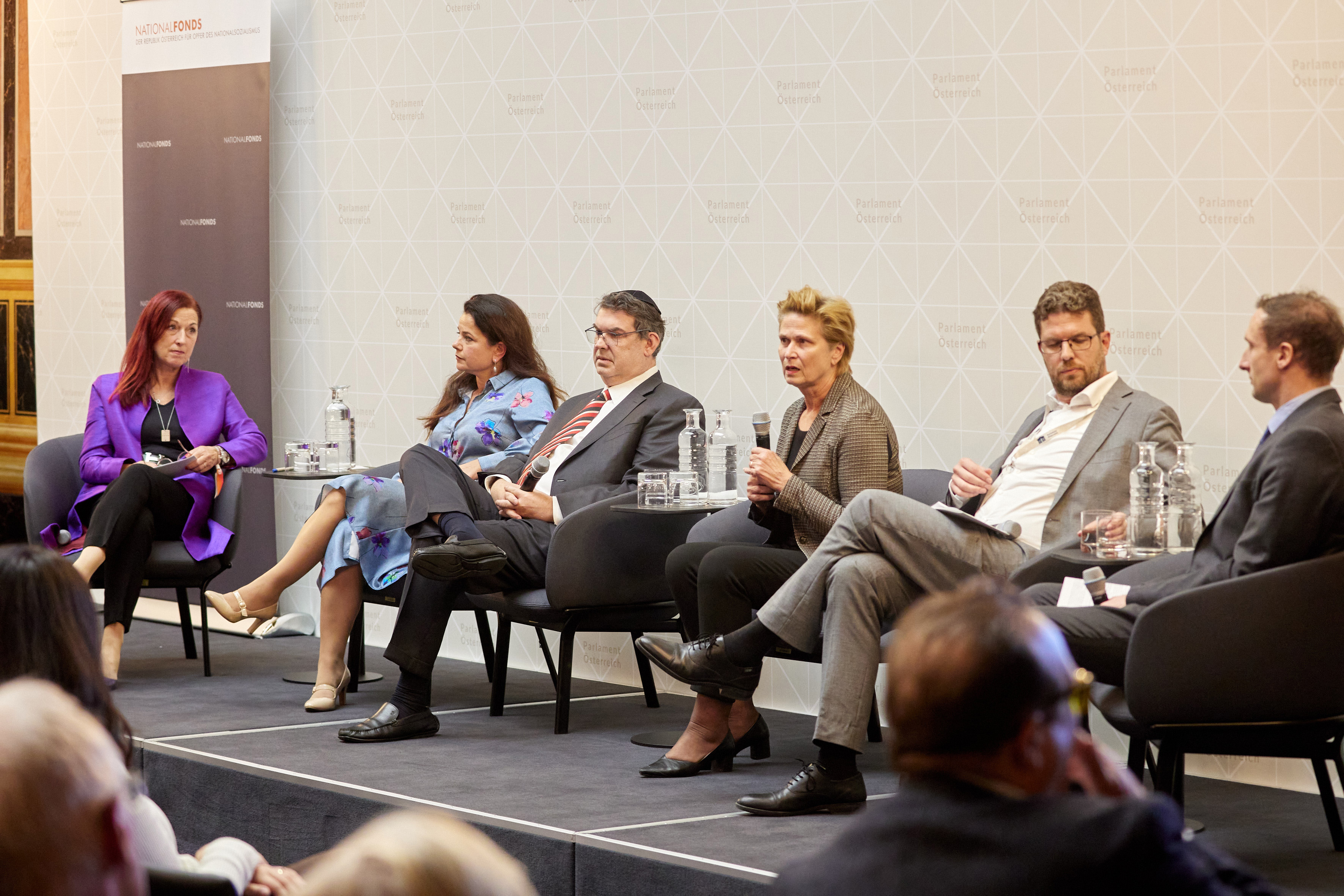
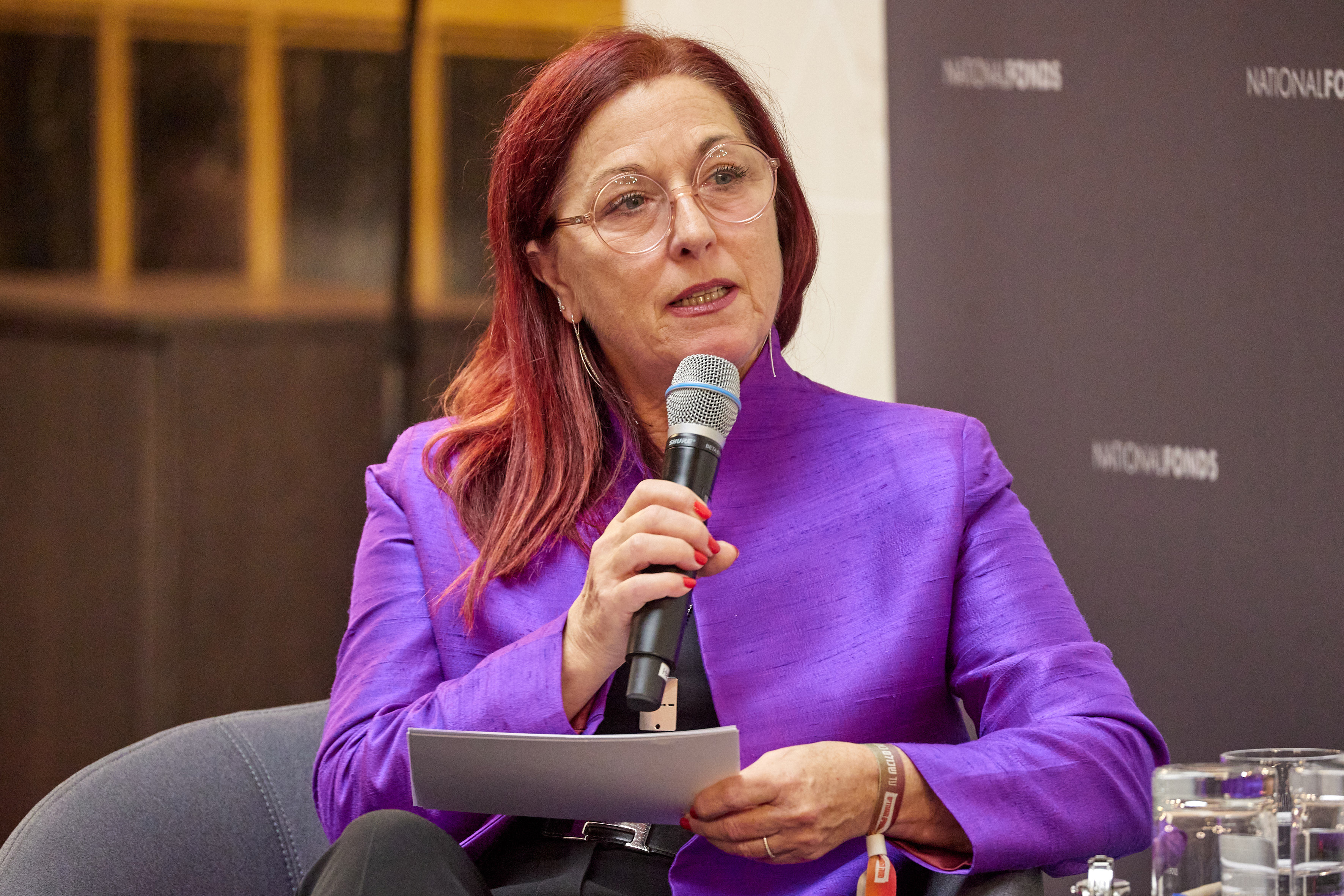
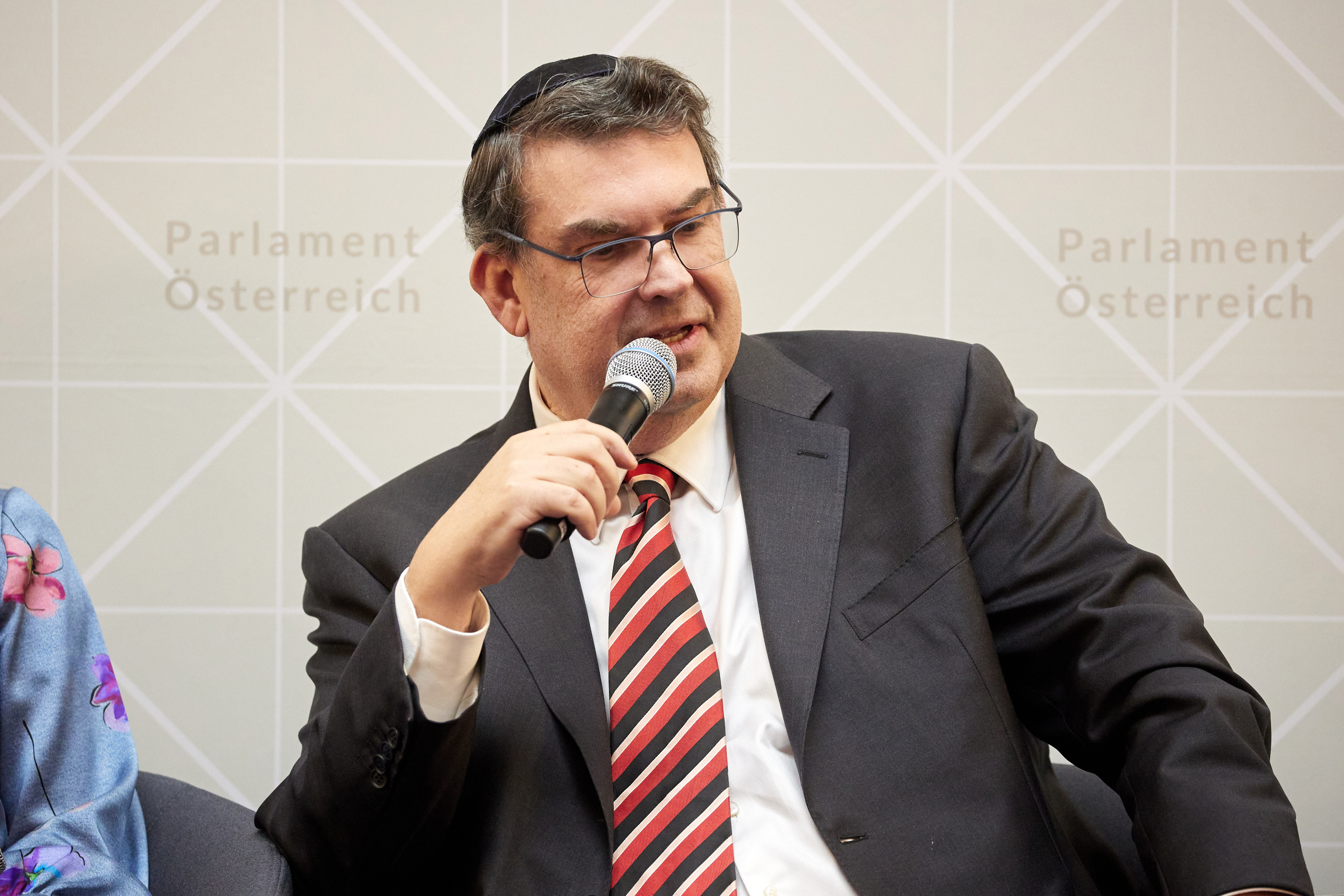
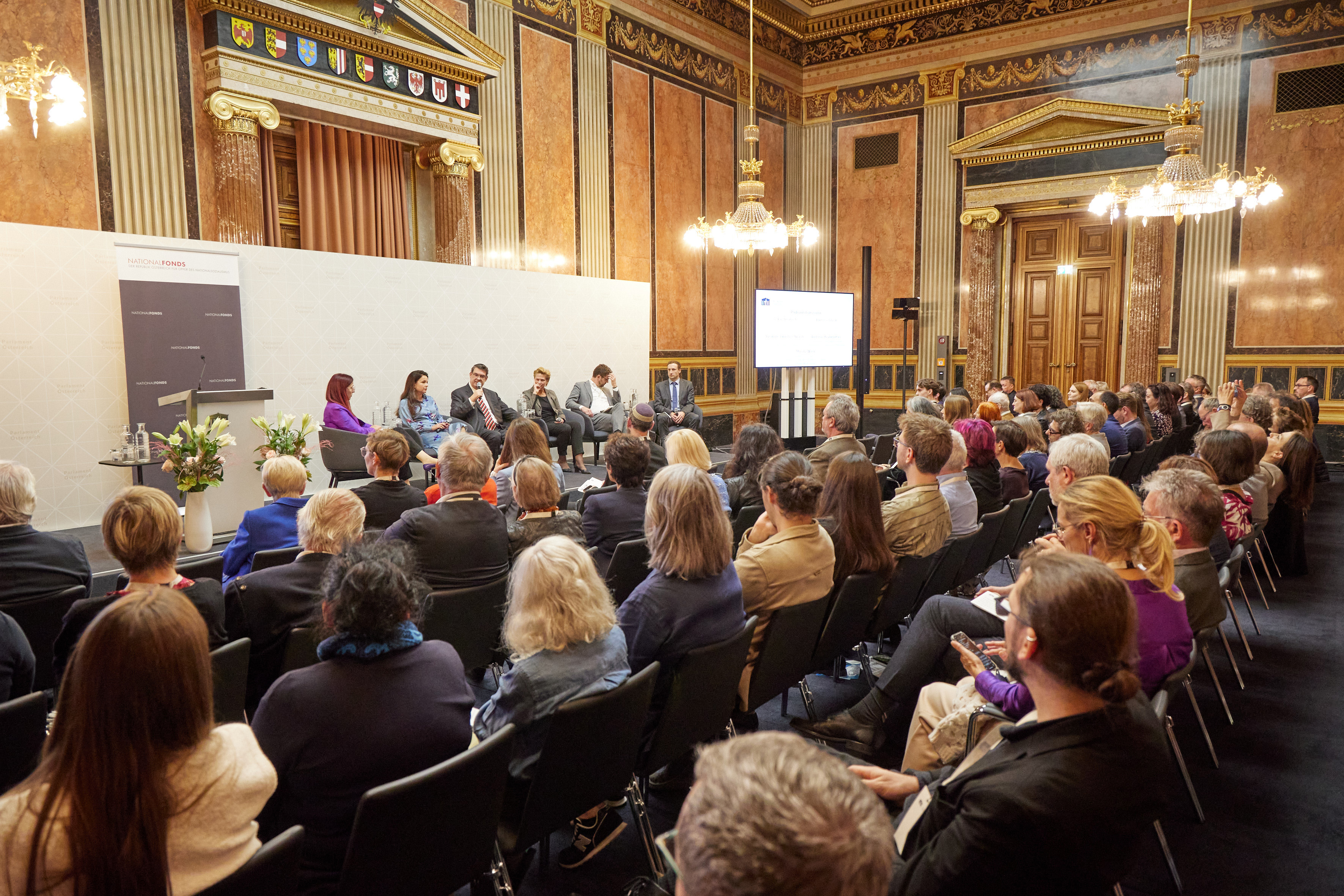
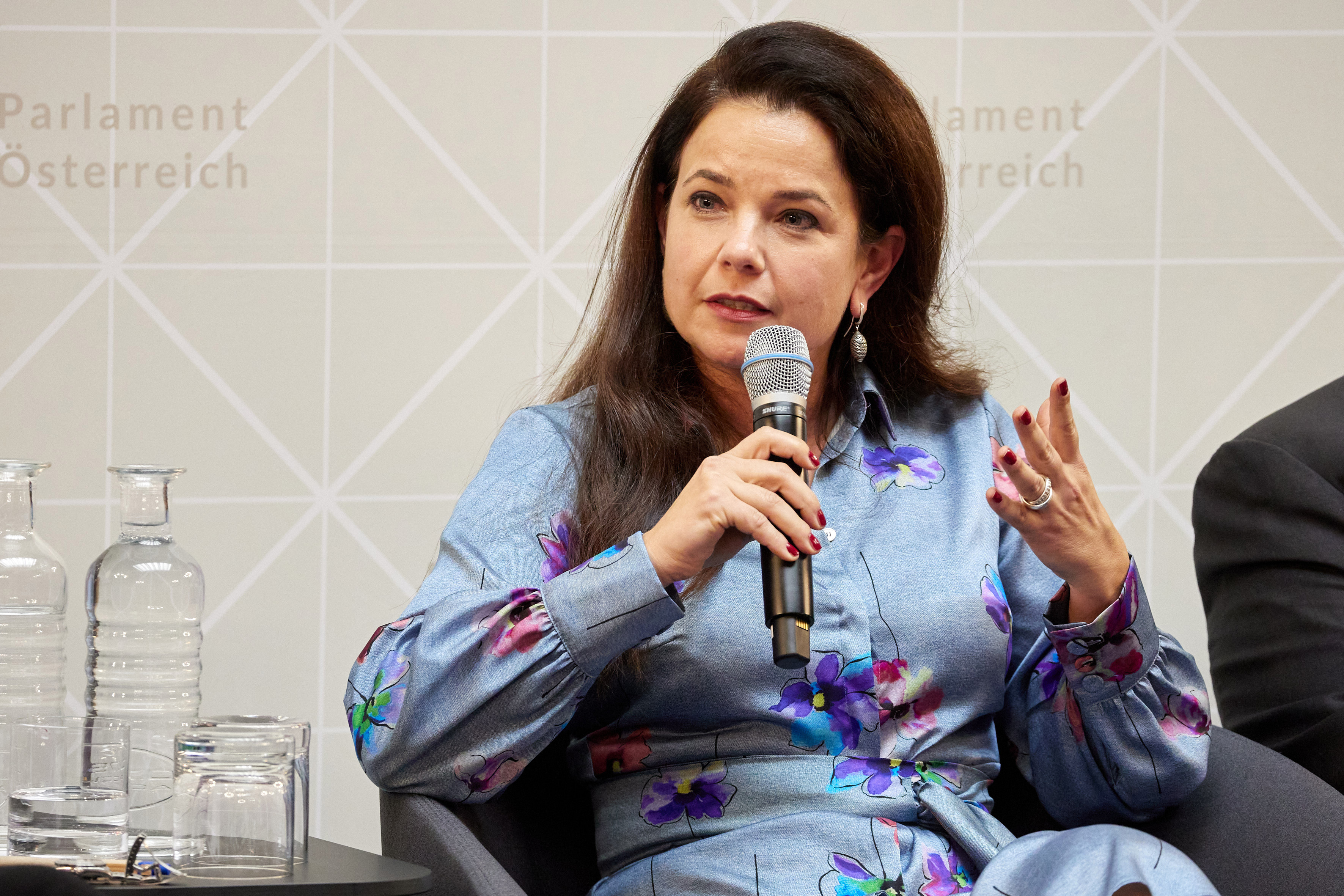
A Look Back at the Conference: Highlights, Photos & Reports
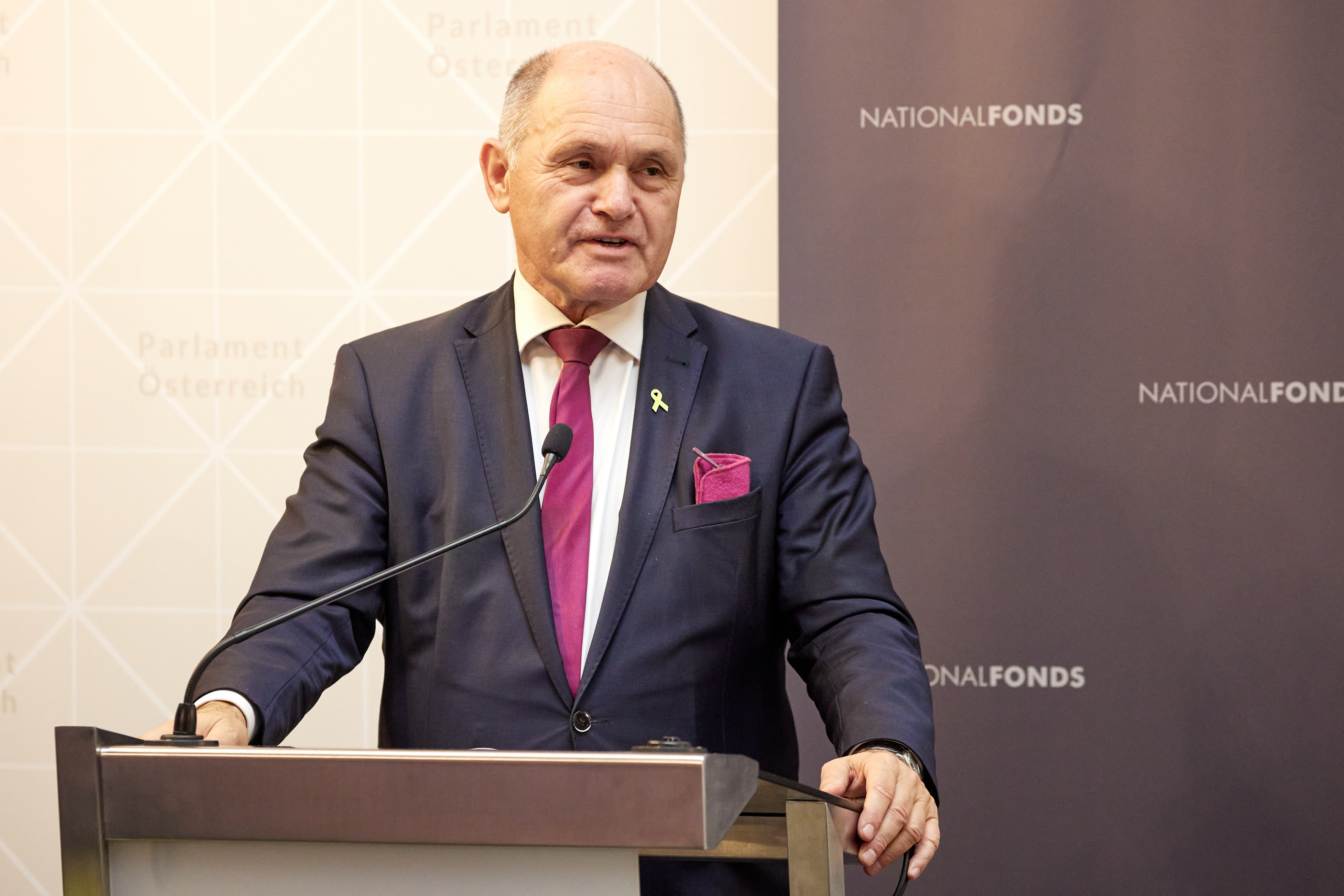
Wolfgang Sobotka President of the National Council Chairman of the Board of Trustees of the National Fund of the Republic of Austria for Victims of National Socialism and the Fund for the Restoration of the Jewish Cemeteries in Austria
Introduction
Hannah Lessing Managing Director of the National Fund
Keynote speeches
Katja Sturm-Schnabl Philologist, Honorary Senator of the University of Vienna and contemporary eyewitness
Brigitte Bailer Historian, University of Vienna Member of the Committee of the National Fund
Elke Rajal Political scientist, University of Passau Coordinator of the Research Network 31 on Racism and Antisemitism in the European Sociological Association
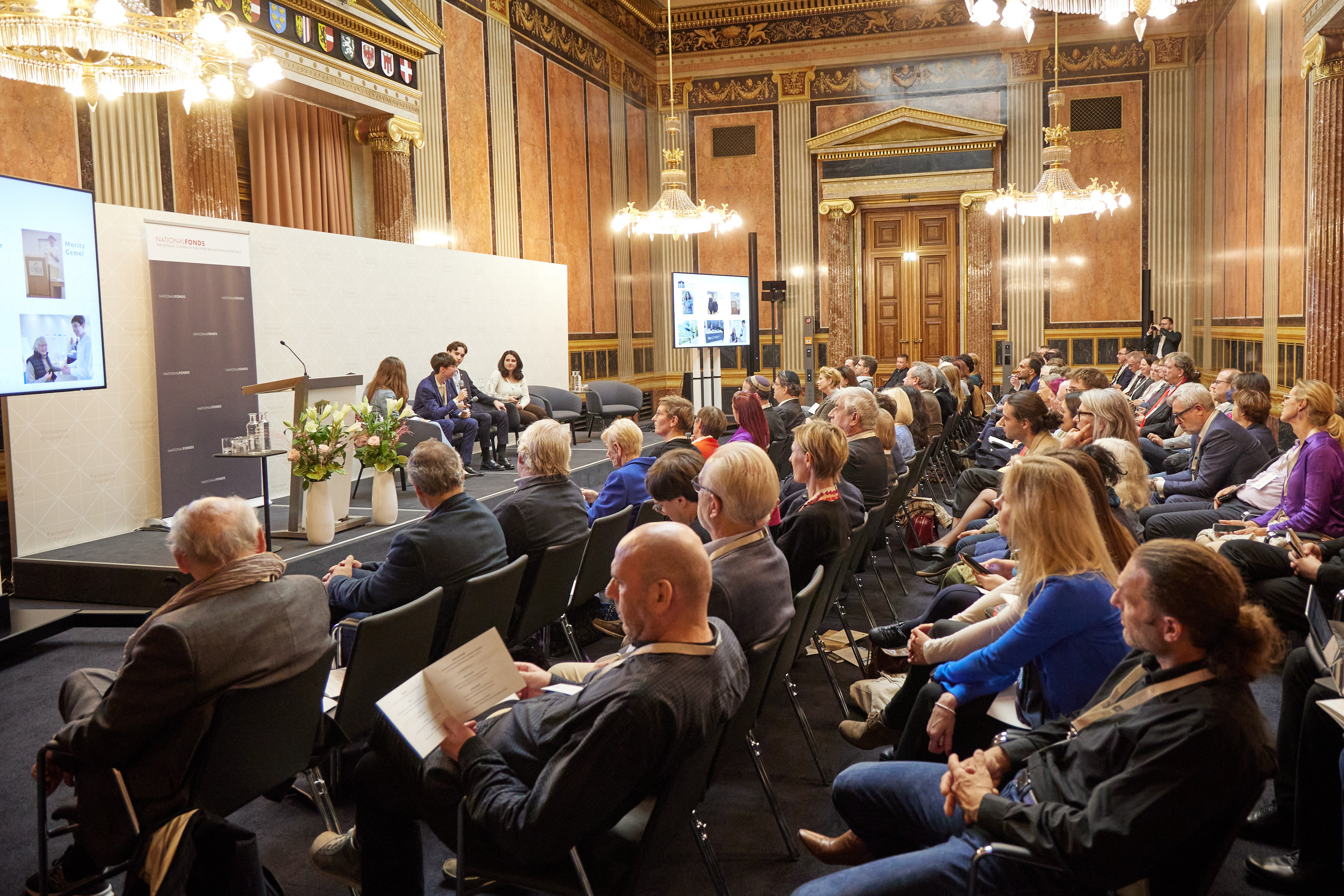
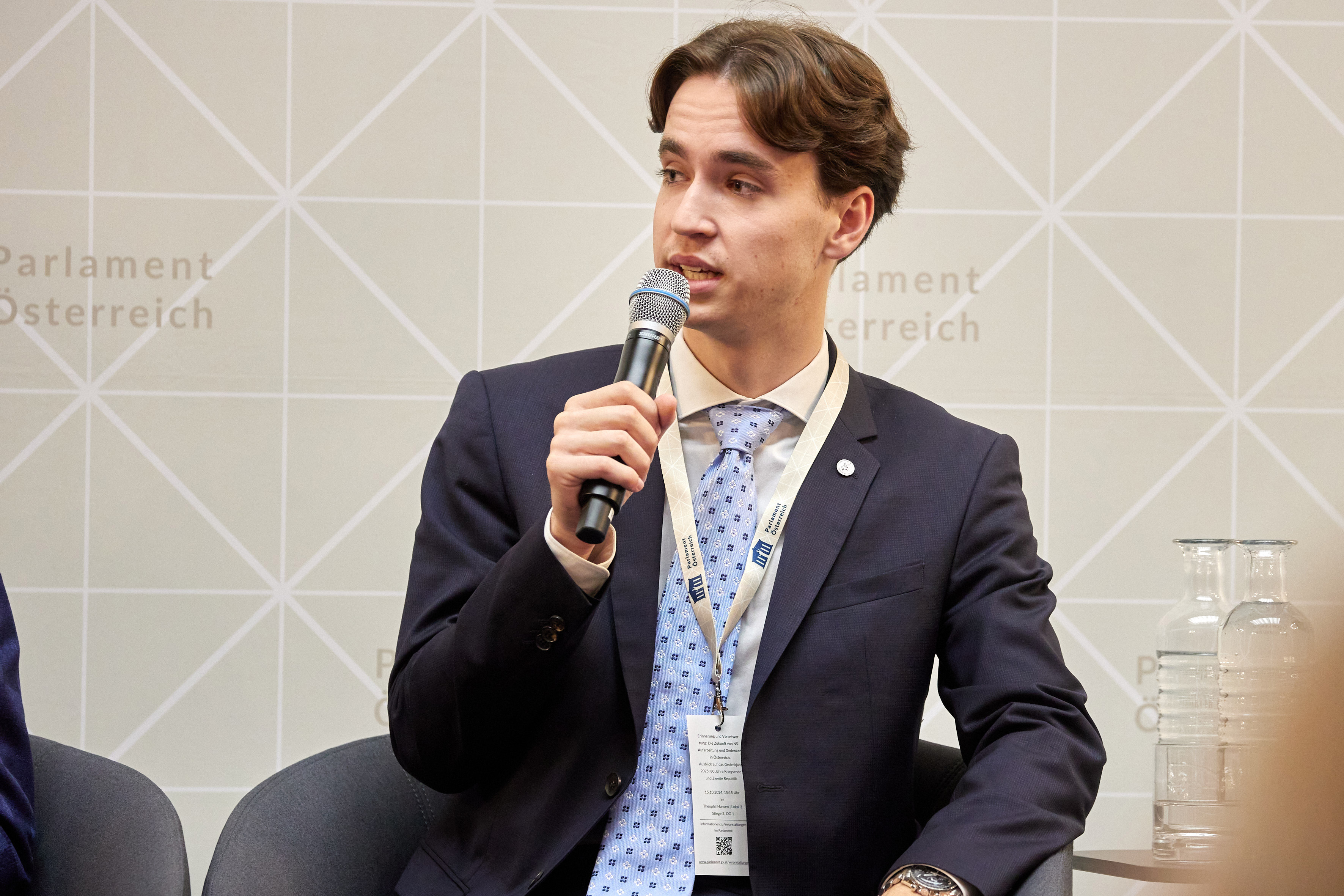
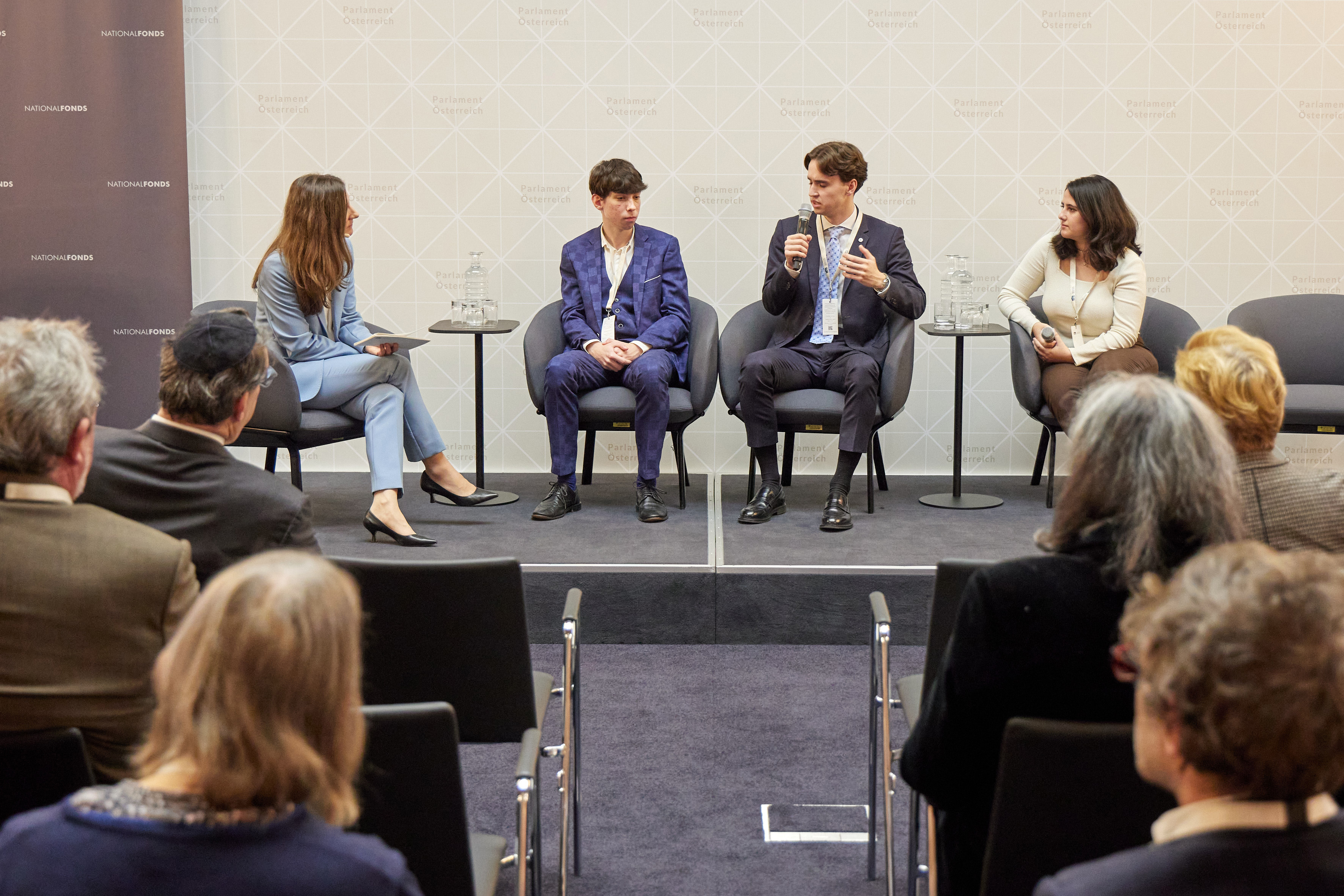
Conversation with memorial service members
Moritz Gemel Memorial Service 2023/24 at the Holocaust and Genocide Centre, Cape Town, South Africa
Philipp Auberger Memorial Service 2023/24 at the Azrieli Foundation, Toronto, Canada
Tabea Chaharlangi Memorial Service 2023/24 at Yad Vashem, Jerusalem, Israel and at the Vilna Gaon State Jewish Museum, Vilnius, Lithuania
Panel discussion
Oskar Deutsch President of the Jewish Community Vienna Member of the Board of Trustees of the National Fund
Barbara Glück Director of the Mauthausen Memorial Member of the Board of Trustees of the National Fund
Susanne Janistyn-Novák Parliamentary Vice-Director Member of the Committee of the National Fund
Andreas Kranebitter Managing Scientific Director of the Documentation Centre of Austrian Resistance
Moritz Wein Deputy Head of Department, Holocaust Education/Remembrance Policy, Federal Ministry of Education, Science and Research
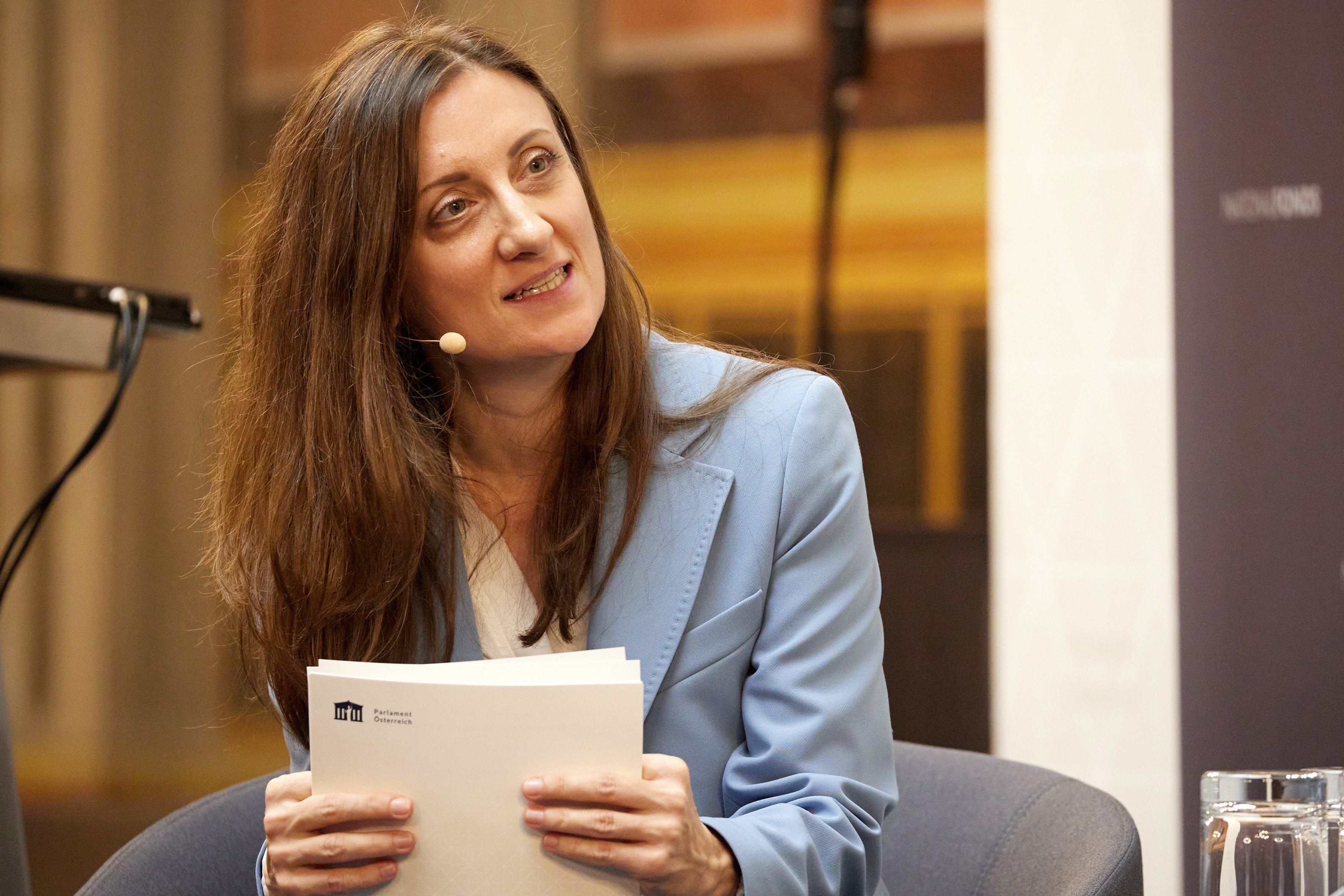
Moderated by Hannah Lessing, Managing Director of the National Fund
Moderation
Judith Pfeffer Managing Director of the National Fund



 Facebook
 Twitter